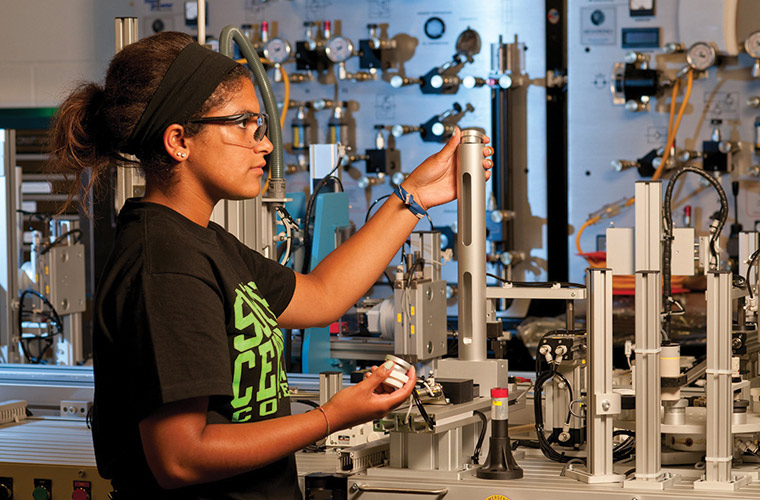
The process involves not only creating new programs, but also recognizing when old programs are no longer relevant to the modern economy.
Workforce + Talent
Governor Mark Dayton, who attended the groundbreaking ceremony, also made the plea to the State Legislature to "make significant, needed investments in the maintenance and repair of our higher education institutions throughout Minnesota."
Authored by two economists from the Department of Employment and Economic Development, the report chronicles the past and present of immigration trends to the state.
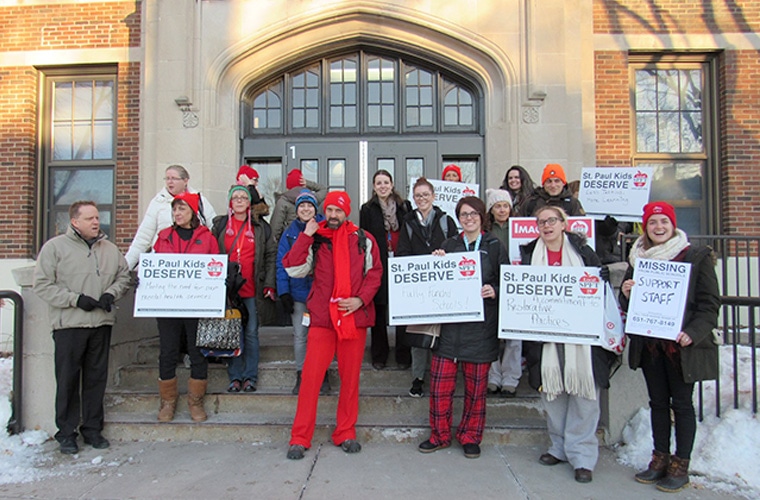
A walkout could begin as early as Feb. 13. Here's a look at how things got to this point and what key sticking points will have to be addressed in order to avoid that.
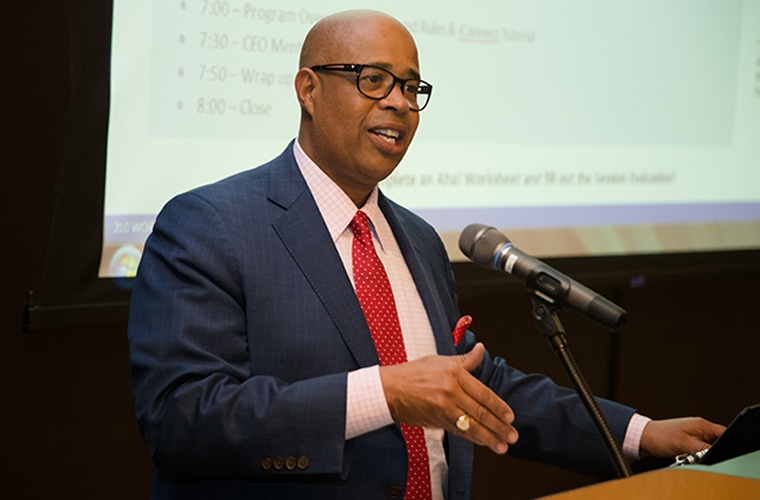
There aren’t many leaders of color at Twin Cities companies. So what’s being done about it?
Employers want workers with strong skills in written and oral communication,
teamwork and ethical decision-making, as well as the ability to think critically.
Wallin Education Partners’ scholarship support system helps ensure its low-income students complete college.
The leading online retailer of personalized photo-based products saw a strategic opportunity to acquire a leading school photography company.
While graduation rates are on the rise, proficiency rates in math and reading have remained relatively stagnant. And for some student groups, proficiency rates have actually decreased.
The Metropolitan Economic Development Association's Mini MBA program is tailored for ethnic minority business owners.
LendEDU’s annual tracking study points to at least temporary improvement.
How veterans are doing at finding a job when returning home to Minnesota.
Jim Finley, Minnesota's top official for finding jobs for veterans, discusses the state's progress on hiring more veterans and what improvements still need to be made.
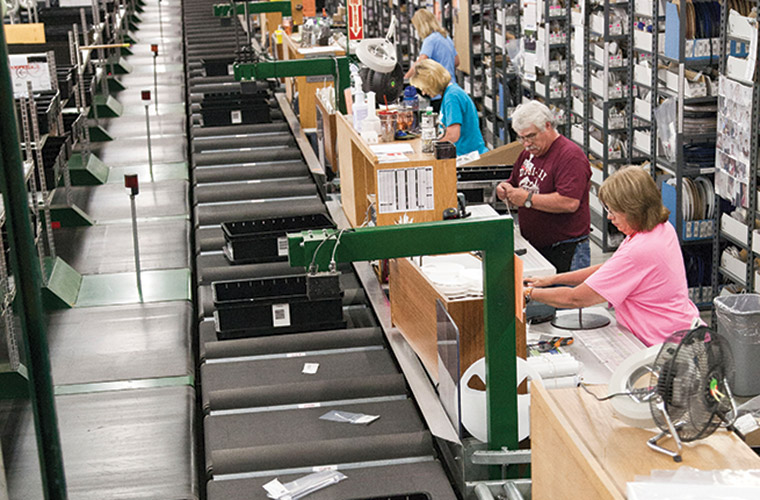
Digi-Key’s expansion in Thief River Falls faces twin challenges: finding 1,000 workers and finding homes for them.
Can the U’s coding boot camps reduce the web developer shortage?
Capella will lose some corporate jobs in Minneapolis, but the count is not known.
Of the state's job vacancies in the second quarter of 2017, 44 percent were part-time (less than 35 hours per week), and 15 percent were temporary or seasonal.
The nationwide opioid addiction epidemic is seeping into the workplace but hard to detect and deal with. Meanwhile, its potential impact
on the labor force is staggering.