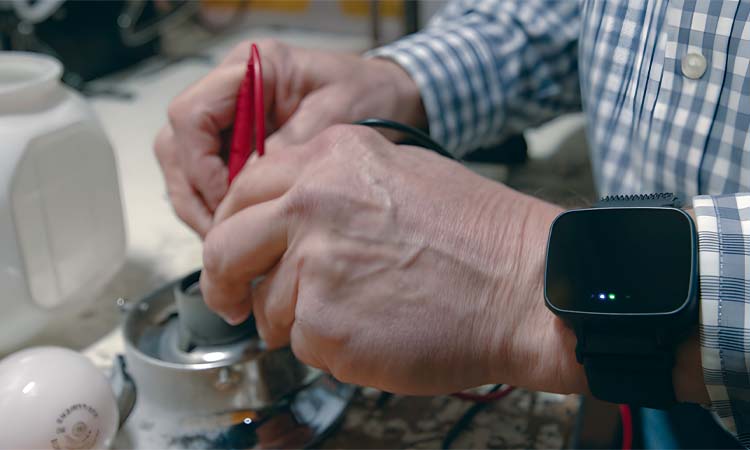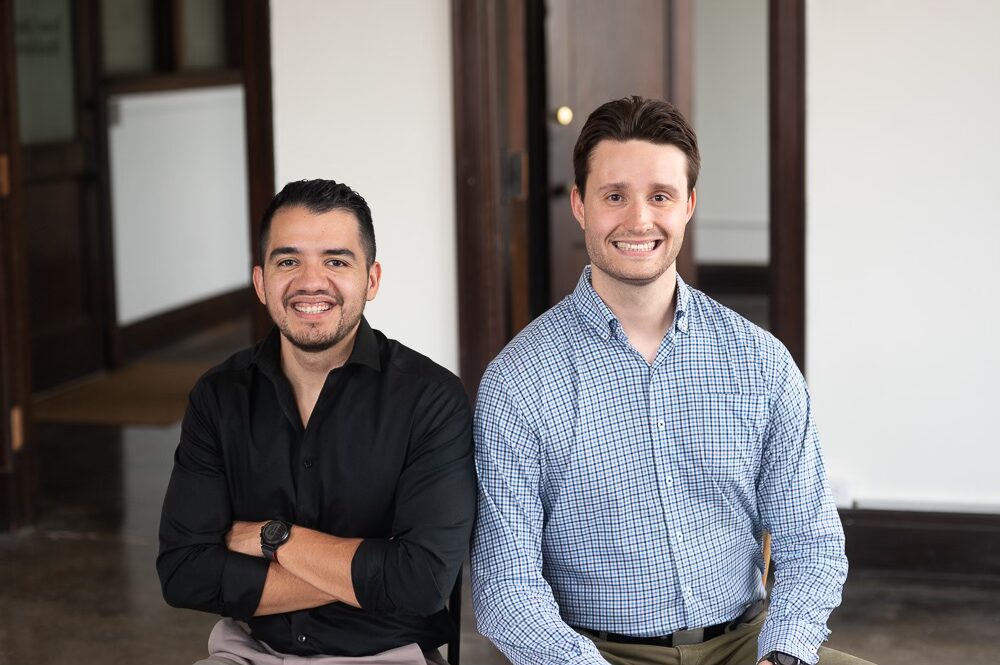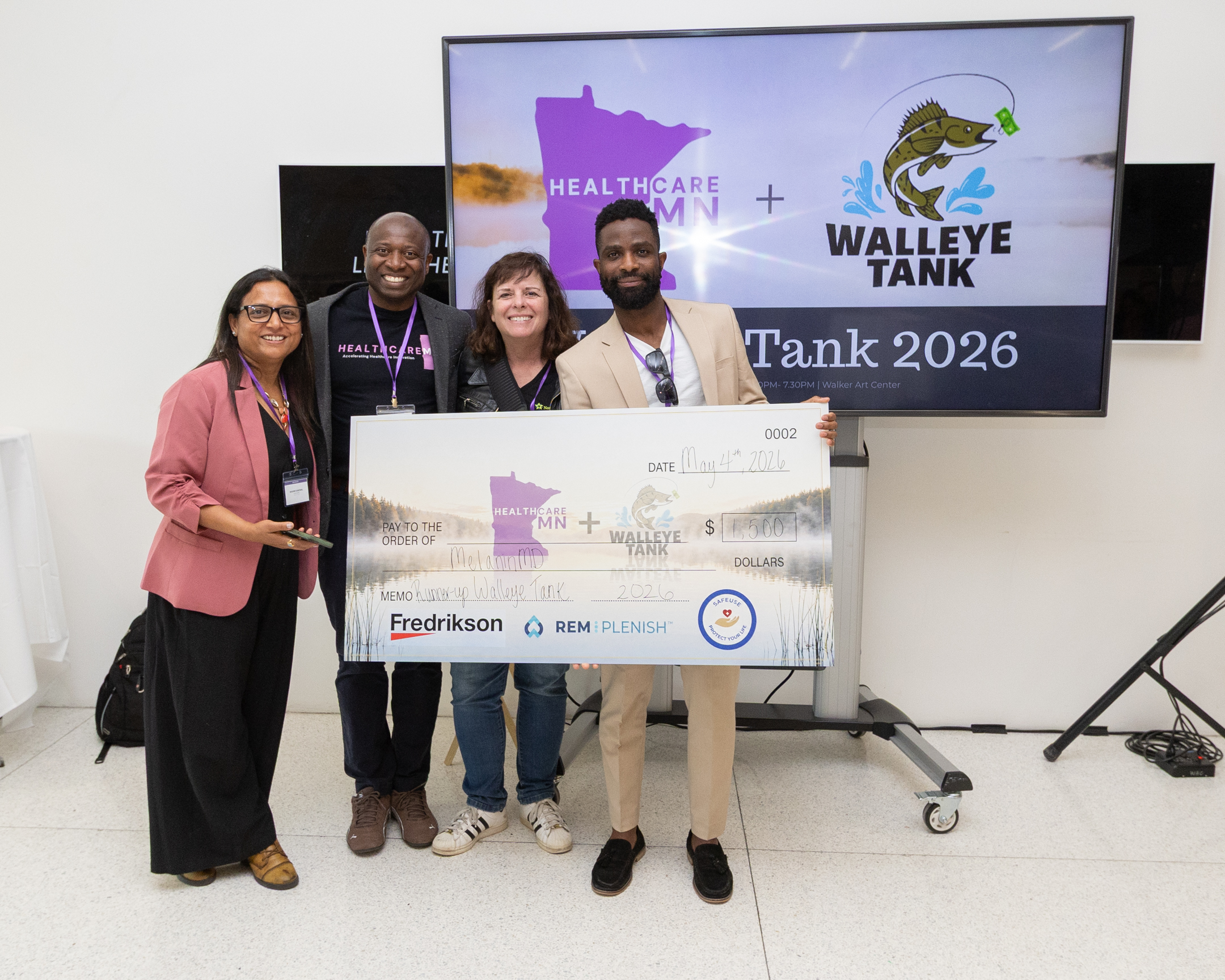
The prize money will support product development for Octin Health’s device, which is designed to maintain blood flow during surgeries.
Health Care + Med Tech
Is Integer’s sale to KKR a sign that investors see Minnesota's medical-device supply chain as a consolidation opportunity?
The Bloomington company's AI-enabled medical device makes a big impact.
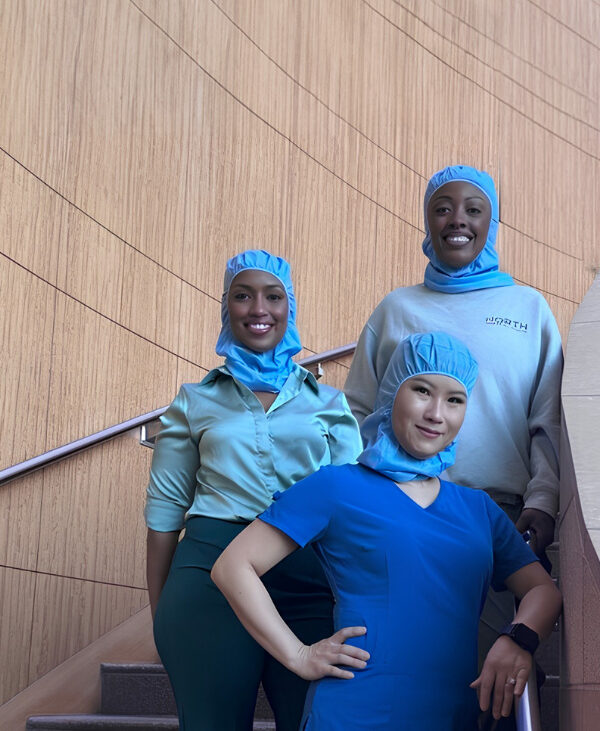
Two respiratory therapists came up with a way Muslim women can maintain their faith in healthcare settings.
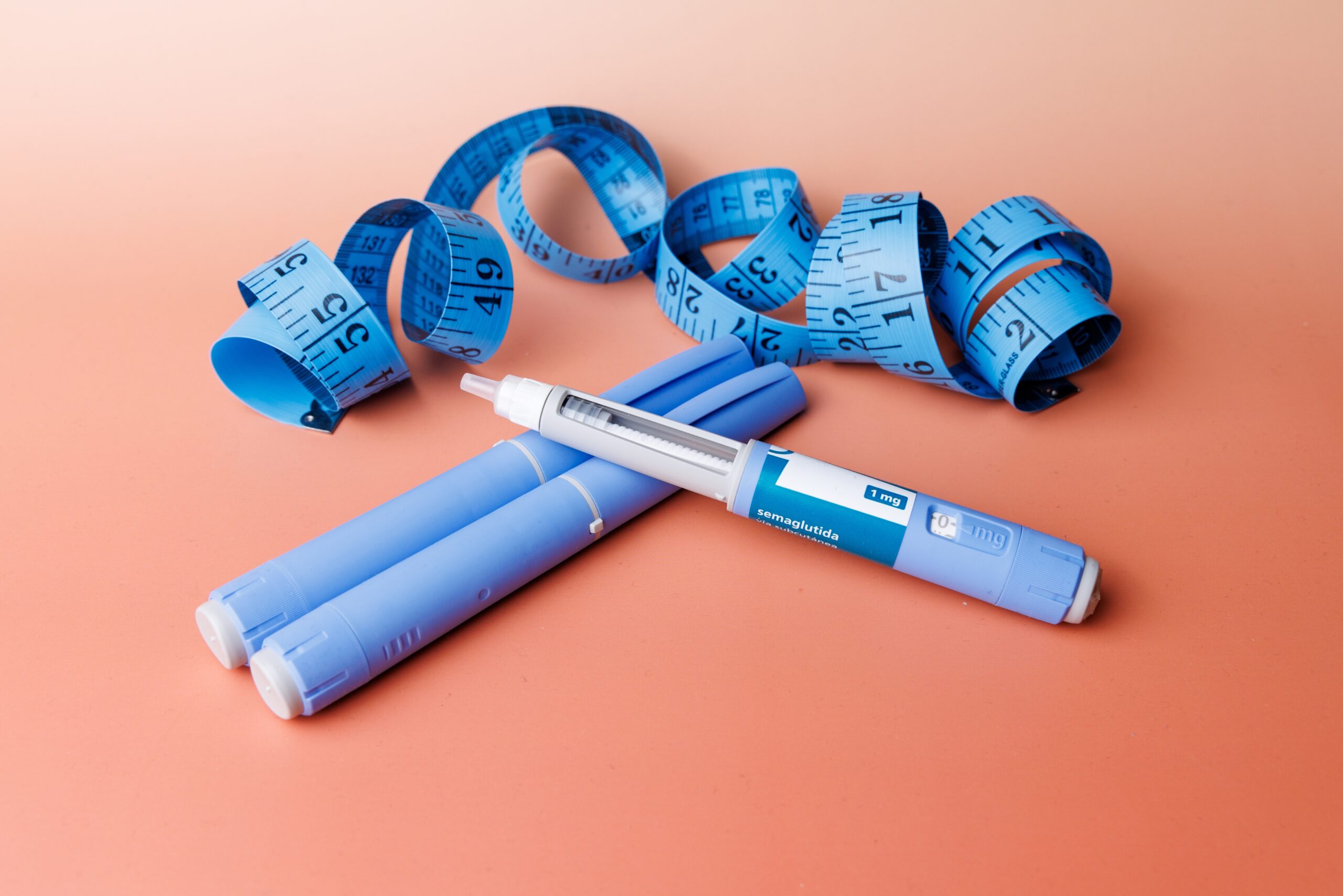
Workplaces that provide health insurance are balking at the high cost and long-term commitment the drugs require.
For months, Adialante struggled to pay itself pushing them into “cockroach mode.” Now, it has nearly a dozen clinics onboard and $20M of letters of intent.
That’s a 12% decline from 2025 and appears to reflect people not being able to afford their monthly premium.
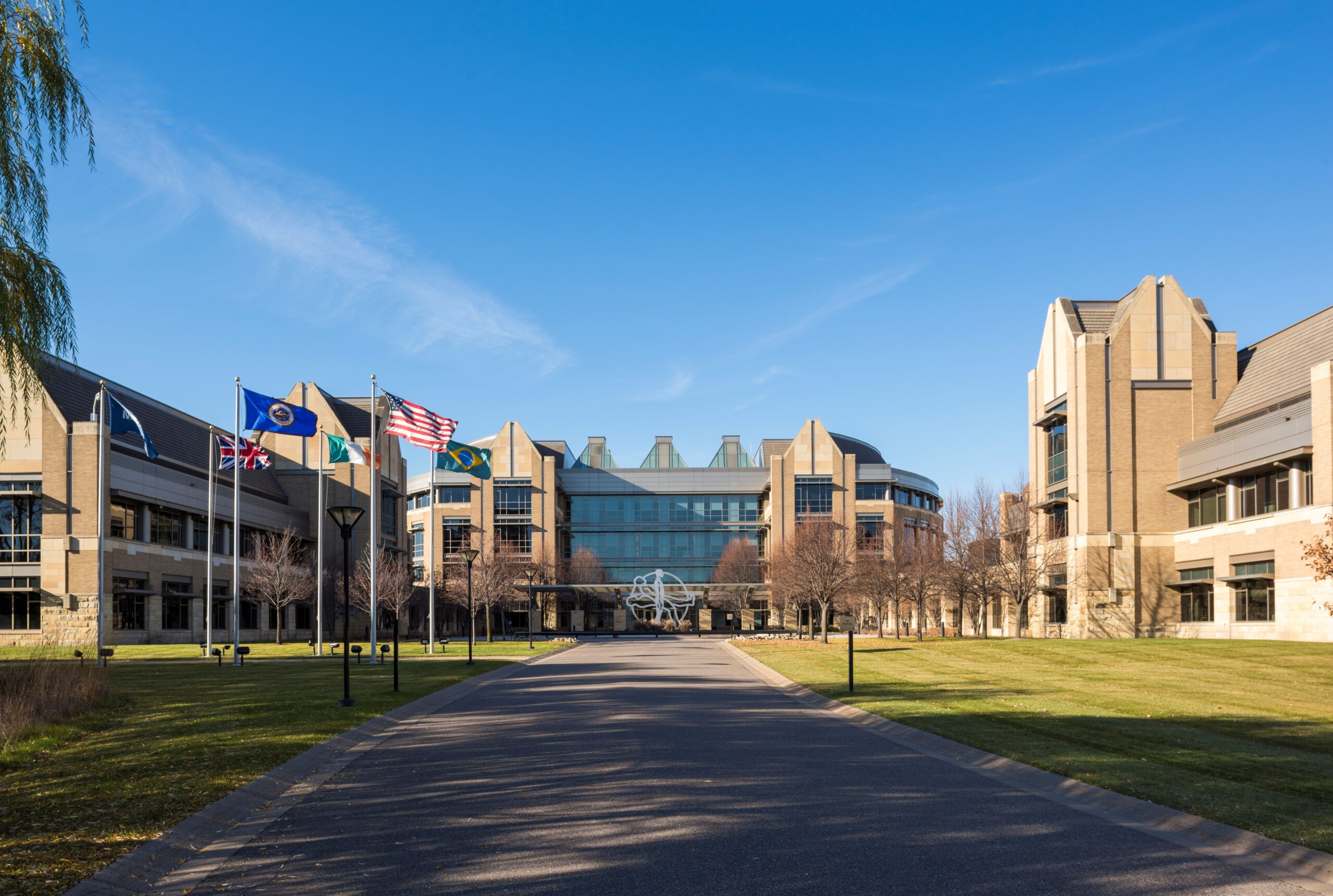
The medtech giant rode M&A moves to its strongest annual revenue growth in a decade. But the stock market isn’t sold yet.
Following a years-long battle, mediators helped the parties settle disputes to reach clarity on patient care delivery, Medical School funding, and the multiple roles of U of M physicians.
The cuts follow reviews by the Minnesota Department of Human Services, and providers have 60 days to appeal.
Last month, the state approved funding for HCMC, and North Memorial Health announced merger plans with an out-of-state system. What’s behind the moves?
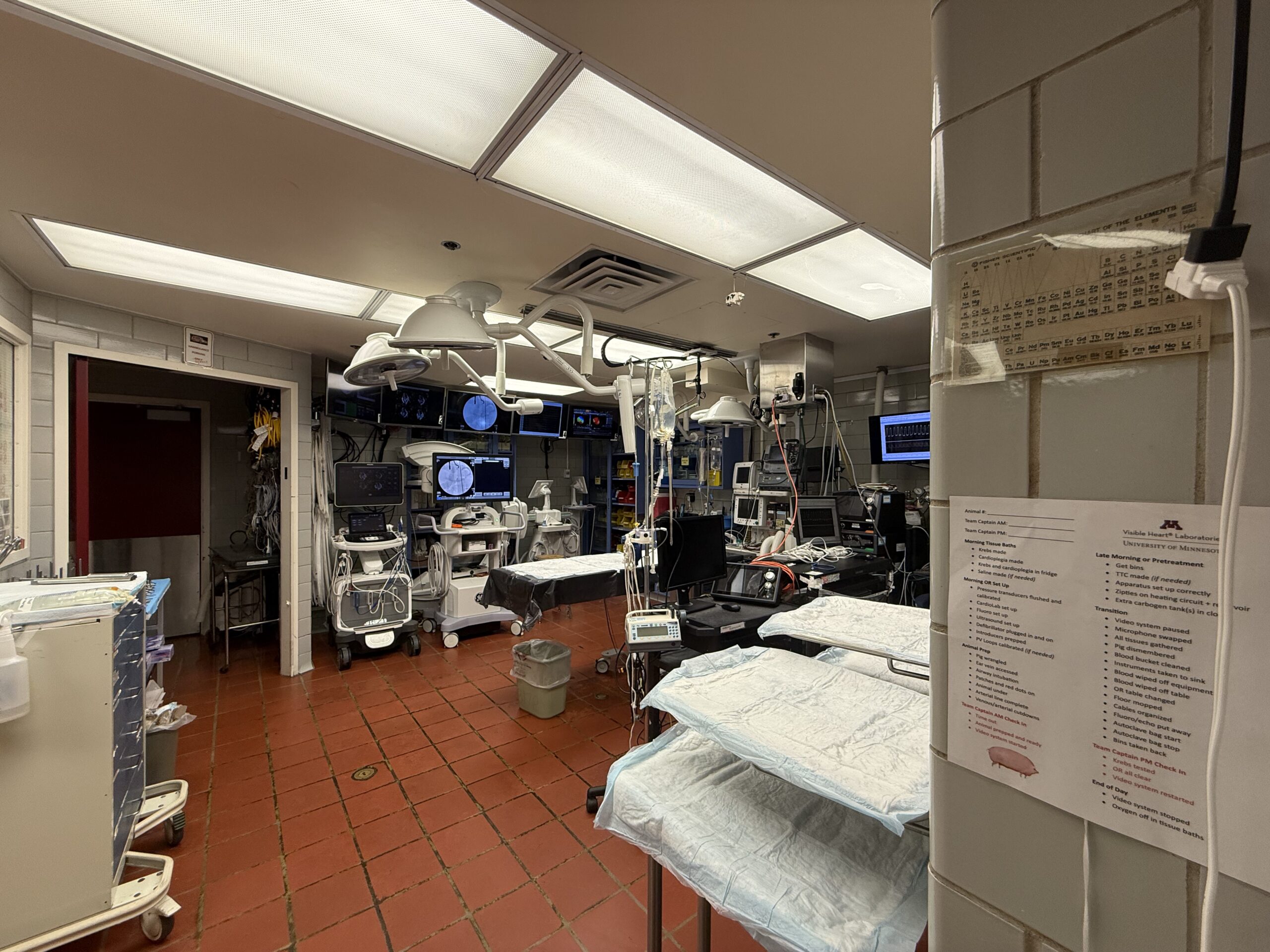
Medtronic supports the U of M’s Visible Heart Lab in exchange for the chance to test devices on donated human hearts.
The East Lake Street clinic, funded in part with MacKenzie Scott money, offers pediatric services and preventative care like mammography and dietetics.
HealthcareMN wants to expand the local pitch competition throughout the Midwest over the next five years.
After struggling financially, Twin Cities-based North Memorial wants to combine with the larger South Dakota-based Sanford.
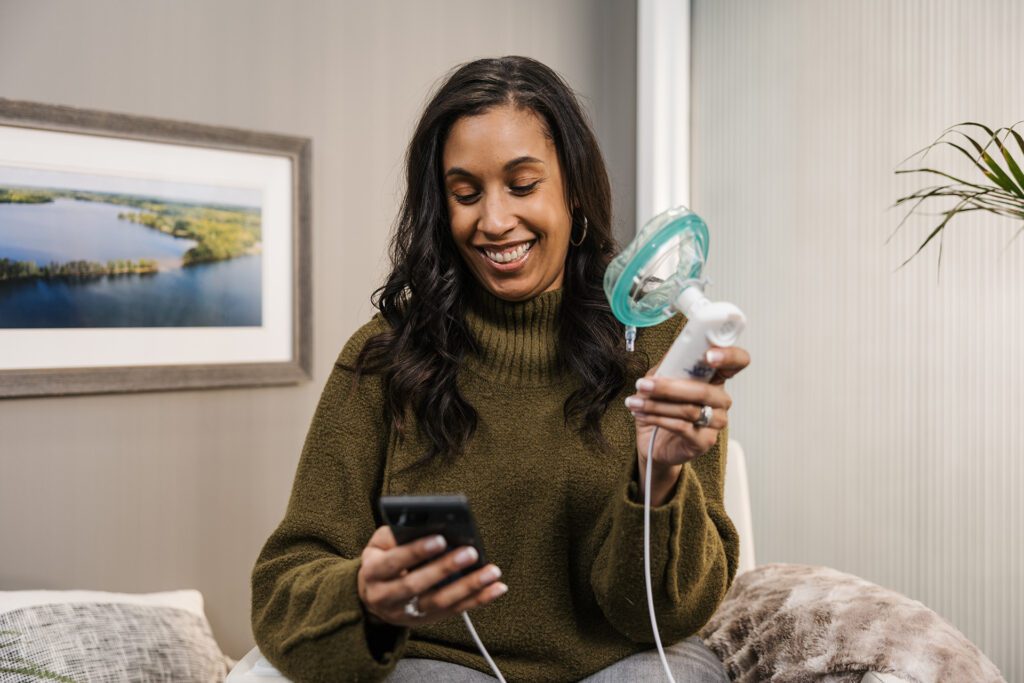
Vocxi Health, which undergoes a merger this week, advanced to the Startup World Cup last year for a breath-sensor device.
Peytant Solutions’ version of a stent, never before commercialized, received FDA approval in 2024.
Vail Scientific’s point-of-care device, awaiting FDA clearance, could reduce deadly delays in sepsis detection.