Instead of struggling alone, many nonprofits with similar missions should combine operations to become financially viable.

Guest Commentary
Hay is one of the biggest crops in the country and one of the least watched. Heading into winter, the U.S. has a little less of it than last year, but where it grows and where it’s needed don’t line up, and trucking it is getting expensive.
Deposits at a community bank turn into loans, and those loans support jobs and grow the tax base that pays for public services.
Preparing relationships for change deserves as much attention as preparing the business.
The restaurant business is hard, but are too many restaurants making it harder?
One of the most durable advantages is not the most advanced AI; it is deep knowledge of a specific industry.
Economic damage from the unprecedented federal incursion ran deep across Minnesota, and we are still paying for it.
Companies are faster than ever. So are attackers.
Plaintiffs’ firms are reaping efficiencies with AI. Defense firms? Not so much.
In a challenging election environment, supporting employees’ ability to vote is more than a civic gesture.
Minnesota’s cannabis industry has begun, and for operators who accepted the risk of entering early, it is creating extraordinary opportunity.
Get in early, back people who know their industry cold, and more about how, when, and where to invest.
Limited menopause coverage can lead to talent loss, productivity decline, and other avoidable long-term costs for employers.
Business leaders to lean in, invest in workforce development, and help make Minnesota an economic growth magnet.
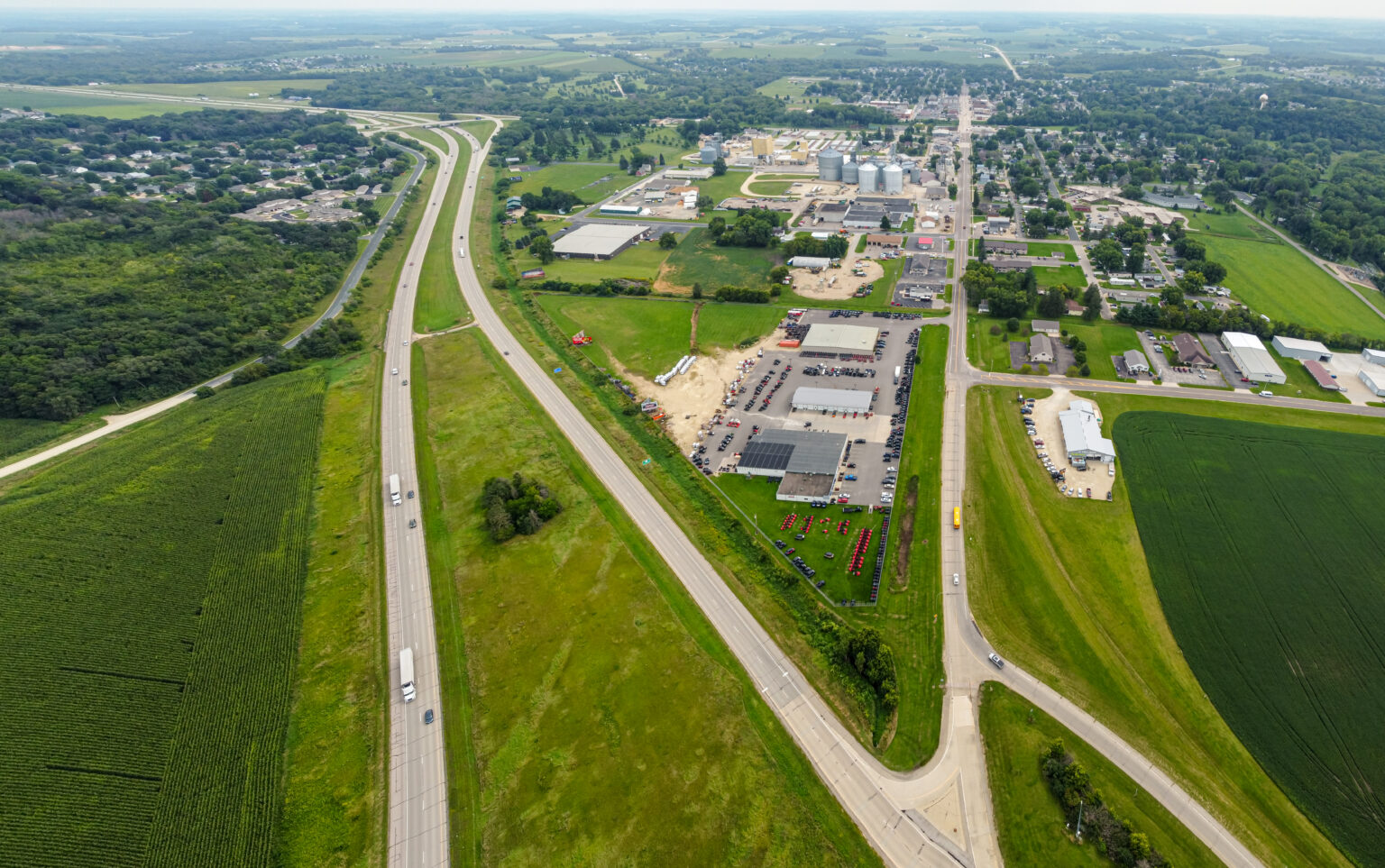
A Google-backed data center would have broken ground in Pine Island this month.
The technology is already in your building: Employees use AI on personal accounts, with company data, with no security.
An overwhelmed Washington is about to let political neglect wipe out a $64 billion American industry—plus many of the Minnesotan farms, breweries, manufacturers, and retailers behind it.
Ever-disruptive AI allows entrepreneurs to bypass traditional tech hubs—and that could spell good news for Minnesota.