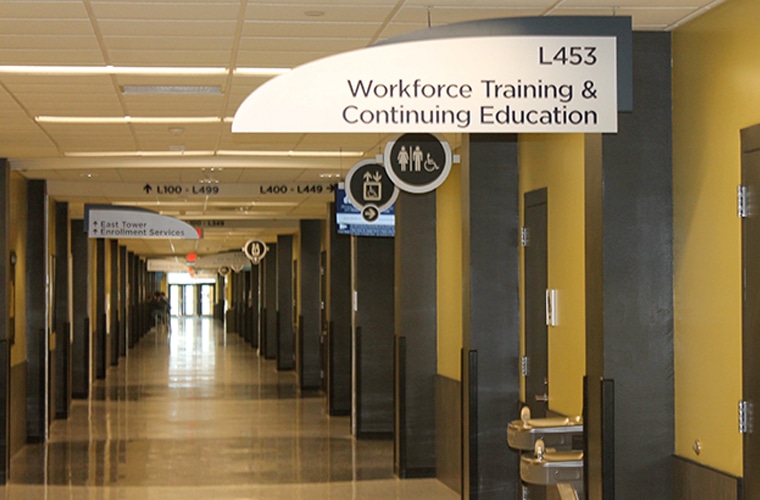
Through jobs, research and other avenues, the school system is a significant player in the state’s financial status.
Business + Economy
The process involves not only creating new programs, but also recognizing when old programs are no longer relevant to the modern economy.
RAEDI said its $1.5 million investment triggered $61 million in follow-on funding for local firms.
A report from the Minneapolis Downtown Council, which analyzed 2017 figures, found increases in population and housing development in the city compared to a year ago.
At a time when many Minnesota regions are growing slowly, or projected to lose population in the future, expansion is something that sets Central Minnesota apart.
Pavers from the old sidewalks are now on the market.
Business leaders expect business conditions—especially outside Minnesota—to improve this quarter, and look to raise wages as they face a persistently worsening talent shortage.
In Like A Lion is a partnership between Hoodstarter, Greater MSP and its Central Cities Initiative, as well as the economic development departments of Minneapolis and St. Paul.
Given the political pressure and the composition of its city council, it's hard to see St. Paul passing a minimum wage that includes a tip credit.
Art Rolnick, a senior fellow at the University of Minnesota and former VP at the Federal Reserve Bank of Minneapolis, explains why getting into subsidy bidding wars would ultimately be bad for the region and the state.
Considering Minnesota’s regions separately reveals different challenges — and suggests different solutions.
Average weekly wages in Minnesota showed no significant growth, hovering between $980 and $1,016 between 2003 and 2013.
A special report on how the North Shore city is reinventing itself.
Minnesota now has the national rate beat by 1 percent.
DEED is supporting the project with a $146,007 grant that will help cover the cost of the new hires and sales tax on the new building material.
Duluth’s economy is unique among Minnesota metro areas for its dependence on natural resources.
DEED will spend more than $160 million on workforce training programs in 2018. How does it know what it's getting for its money?
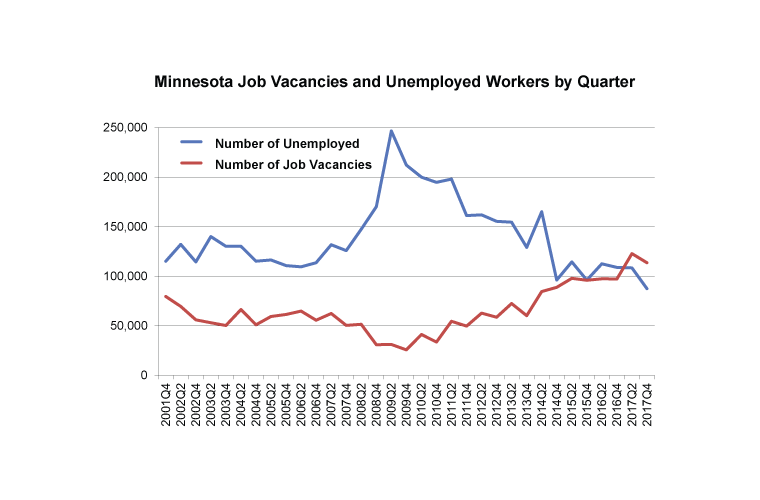
Businesses across Minnesota have increasingly been in dire need of skilled workers.