



Representative Morrie Lanning: “It’s not just the Super Bowl. It’s a $400 million project being built around the new stadium. I don’t know how anybody can now feel that this was a bad deal.’’
Politics + Public Policy
Approximately 29.4 million travelers visited the Twin Cities in 2013, representing a 5.4 percent increase over 2012, according to a study commissioned by Meet Minneapolis.
Two new television ads on behalf of two Republican candidates for governor will be on the air shortly.
The funding will now be used on two big freeway projects, one in the metro and one in southern Minnesota.
Midwestern power companies had blocked a regulation that would reportedly cost them hundreds of millions of dollars a year—but the U.S. Supreme Court has now sided with regulators, reviving the rule.

House Capital Investment Chairwoman Alice Hausman has introduced a $125 million proposal that pays cash for a handful of construction projects out of the state’s $1.2 billion surplus.
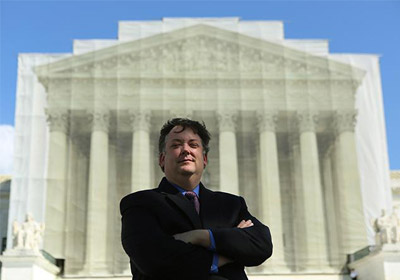
The Supreme Court's ruling in favor of Republican donor Shaun McCutcheon was another signal to advocates that the Roberts court will be receptive to challenges to campaign finance laws.

Do the Dayton brothers have a leg up in landing top-shelf campaign events?

This February, the Lottery's online presence advanced to the point that players could purchase instant scratch-off tickets online.
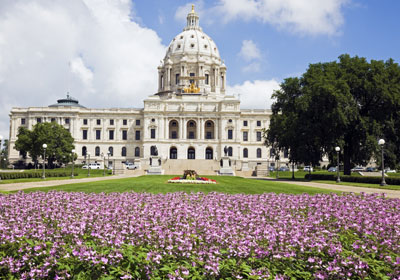
Lawmakers in Minnesota, currently home to one of the country’s lowest minimum wages, have reached a deal to hike the minimum hourly pay to $9.50 over the next few years.
Minnesota taxpayers recoup less than 10 percent of the individual income taxes they contribute, whereas Mississippians get back more than 30 percent.
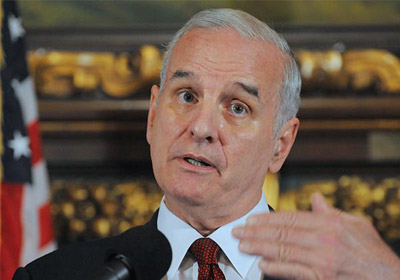
The $14 million provision included in Governor Mark Dayton’s budget funds the equivalent of about 218 full-time employees in the Department of Human Services.
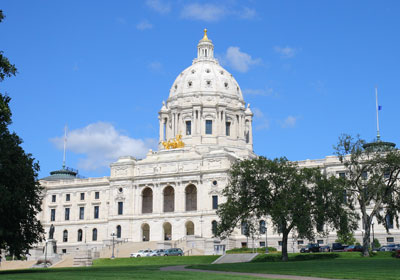
In a recent poll, Minnesota business leaders identified the issues they'd prefer to see lawmakers address this session.
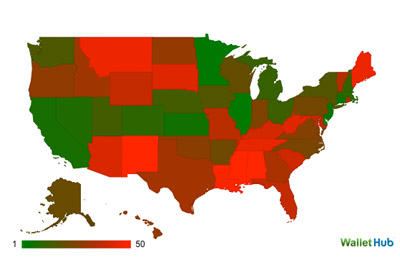
Taking into account returns on taxpayer investment, how much each state receives in federal funding, and the ratio of federal employees, WalletHub ranked Minnesota third on its list of states least-dependent on the federal government.

Five companies are dipping into a newly approved fund that the state is using to encourage businesses to boost local job growth and investments.
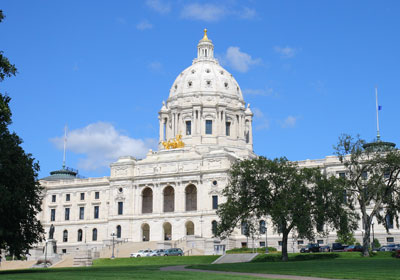
A large chunk of the recently passed tax-cutting bill went toward repealing business-to-business taxes, but the business group is wary about other looming legislation.

Wells Fargo is banking on Minneapolis with a major investment in Downtown East.
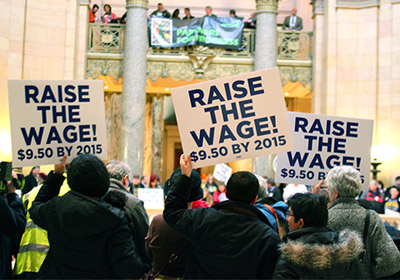
At the crux of the delay in passing an increase is the question of whether to index a new, higher wage to inflation.