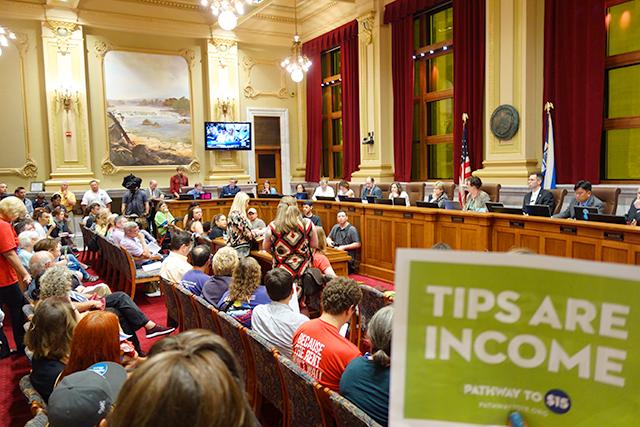
It turns out that the substance of the ordinance has been decided for weeks, if not months.
Politics + Public Policy
Advocates for tariffs need to answer two important questions.
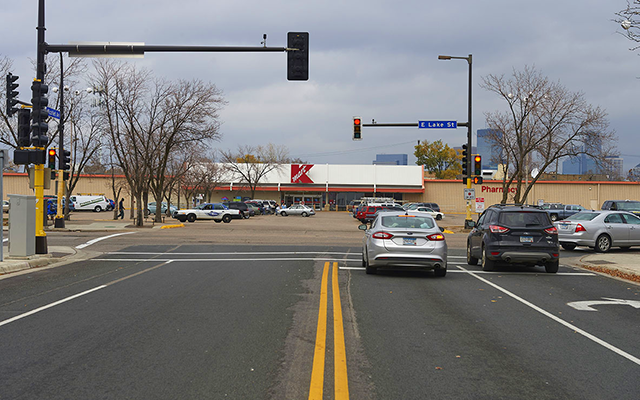
On Tuesday, the city is expected authorize the purchase of the ground beneath the Kmart that blocks Nicollet Avenue between Lake Street and 29th Street.
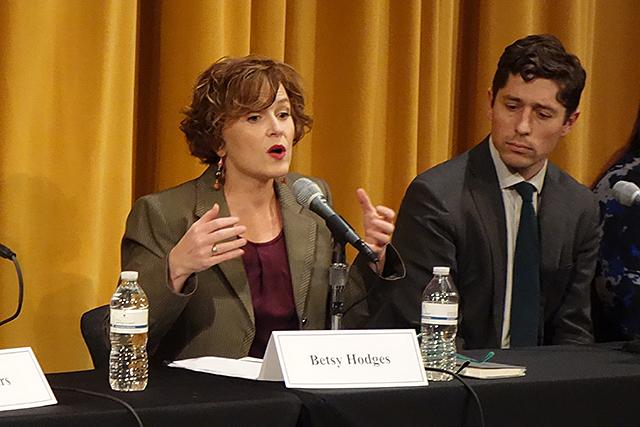
A recent forum offered candidates a chance to explain whether they will accept — let alone seek — support from the local business community.
MnDRIVE snags funds for cancer research as sun sets on program to help startups.
Bank and business relationships are no longer used when determining one's domicile for tax purposes.
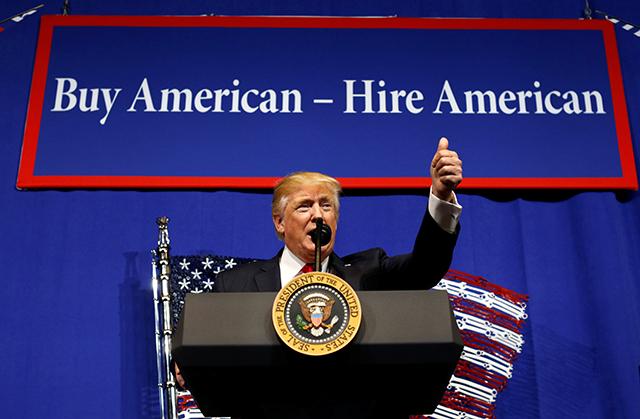
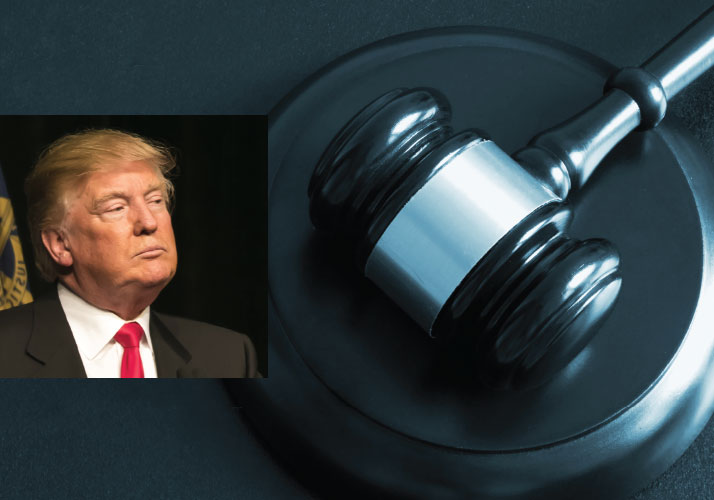
President Trump’s campaign focused on disrupting the status quo. Now attorneys say it’s unclear how far Trump will go to overhaul immigration, labor and environmental laws that affect Minnesota businesses.
The plastic bag ban is now law, despite business objections.
The regional board, born of a time when there was a greater sense of regionalism between the cities and the suburbs, could be dead by October 1.
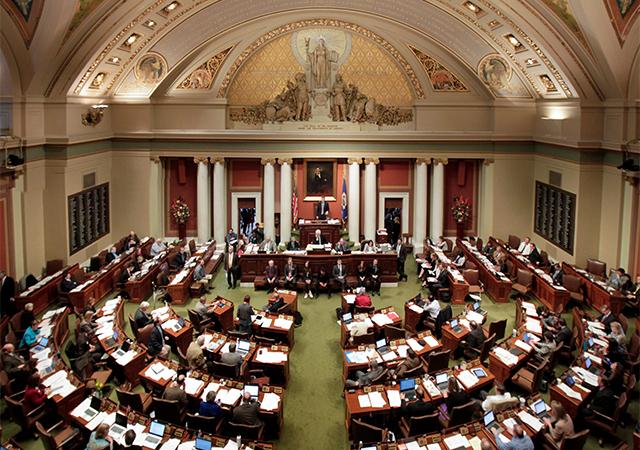
Taxes, booze and plastic bags: Messy as it was, lawmakers finished their work by early Friday, likely avoiding a state government shutdown.
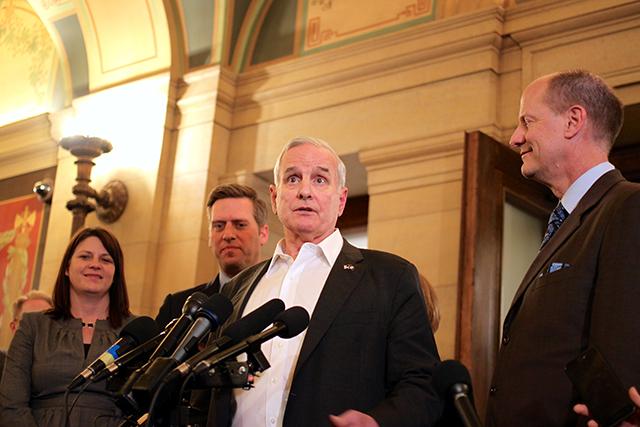
Under the terms of the deal between Gov. Mark Dayton and Republican leaders, legislators now have until 7 a.m. Wednesday to finalize the state budget.
Now that Gov. Dayton has signed the bill into law, It’s probably safe to start booking flights for 2018.
The budget directs the Federal Transit Administration to lock in its commitment to providing the more than $900 million federal contribution to the light rail line.
Will Canada get its whey?
Report says state excels at environmental health, lags on community planning.
Republicans' budget proposals represent a desire to halt what they call a “stunning” increase in the growth of state agencies over the last decade.
The City Council has enlisted the Citizens League to study whether it should create a system to get nonprofits to voluntarily pay what the state constitution exempts them from paying.
Grant money will also be used to prevent certain infections, subsequently cutting the number of emergency room visits made to Minnesota hospitals.