The Duluth mill’s roughly 300 workers are told it is “business as usual,” while the paper producer considers its restructuring possibilities.
Industry
The single most important factor in the future success of your business is this: what your customers tell people about their experience with you.
It’s part of an ongoing effort to make the city more attractive and lively.
It’s the first grocery co-op in the state to organize.
Latest Articles
It’s the first grocery co-op in the state to organize.
Options for the Riverview Corridor project include just about every idea for improving transit between Union Depot and MSP, including which route should taken and what transit mode should be used.
Metropolitan Consortium of Community Developers said the $1 million would help fund its Open to Business program, which assists challenged entrepreneurs.
Family businesses make up 90 percent of U.S. businesses and 80 percent of the nation’s workforce.
The city council wants a "partnership group" of 15 residents to study paid sick leave. Now comes the hard part: deciding who should serve on the panel.
The RSI Associates contractor allegedly used the money gained from construction contracts to buy jet skis, snowmobiles, luxury cars and gold coins.
The cult show, which got its start on an independent station in the Twin Cities, raised more than $1 million in its first day of fundraising.
The deal allows Polaris to showcase its products on game days.
The approval will enhance the company's ability to provide data to its customers.
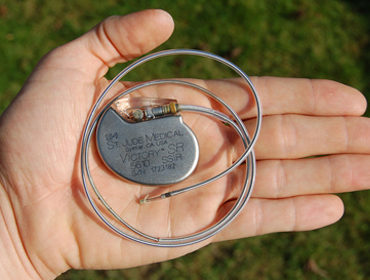
A new study found the revolutionary pacemaker lessened major complications by half compared to conventional models.
PriceLocal looks to even the e-commerce playing field with a service that allows consumers to price-match products with nearby retailers.
One of the nation’s largest cooperatives has struggled to overcome slumping dairy sales and a poor grower environment.
Christie Altendorf, president-elect of ISES, on tips and trips for a great holiday bash.
The former president and former CFO of Starkey both had items confiscated from their homes, which included a computer, documents and a car.
One reason is that the previous estimate of $1 billion was always something of a place saver, put there only after preliminary calculations were done early in the planning process.