

Sports Ownership Turns Over Fast. Are the T-Wolves in Good Hands?
The Minnesota Timberwolves are kicking off a new season, eager to finally reach the championship with Anthony Edwards leading the way. The squad looks solid, especially with the addition of Lamelo Ball. Ahead of this month’s opening tip, however, the various ownership gymnastics deserve a closer look.
Sports franchises have rapidly become a “must-have” for the super-rich (sort of surprising that Elon Musk hasn’t acquired a team, or three). And many teams are trading more like stocks than long-held assets, which was previously the norm. Glen Taylor, after all, owned the team for 31 years.
Over the summer, the owner of the Los Angeles Lakers, Mark Walter, flipped the team to new buyers—Bob Iger, formerly head of Walt Disney, and Joshua Kushner, brother of Jared Kushner, President Trump’s son-in-law—for $12 billion. He bought the team just a year earlier for $10 billion.
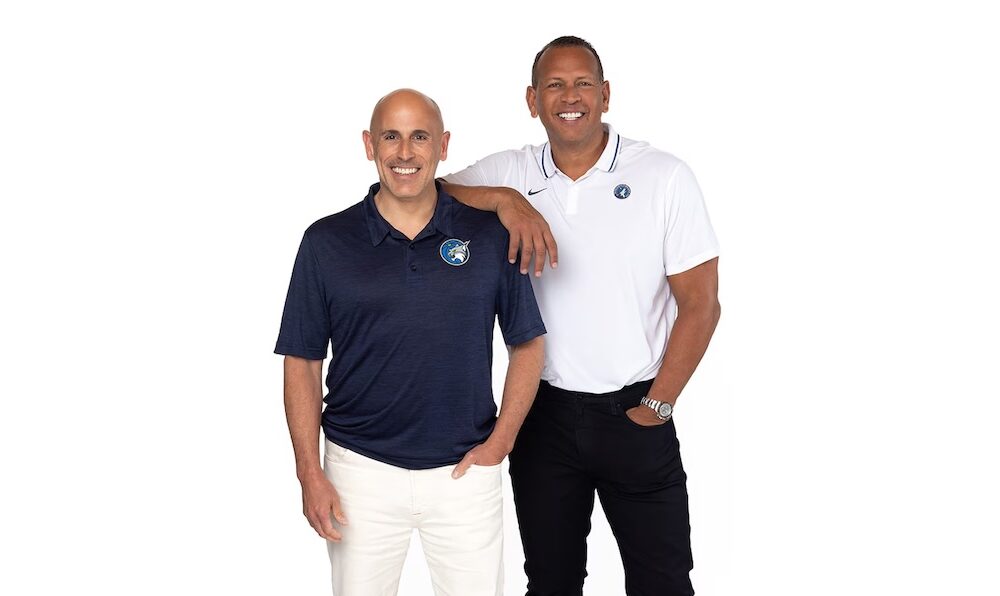
Meantime, our Timberwolves have seen their own value skyrocket. A group led by e-commerce entrepreneur Marc Lore and retired Major League Baseball star Alex Rodriguez finalized the acquisition of the Timberwolves for $1.5 billion in 2025. The deal, originally struck in 2021, took some time to gestate, unlike the more rapid-fire sports deals of late.
This past August, Lore sold most of his stake in the team for $4.5 billion. Nearly tripling your money in a year is good work, and it must have left Taylor somewhat frustrated. He’d acquired the Timberwolves in 1994 for $94 million (about $210 million in today’s money). It took him more than 20 years to push his investment past $1 billion. It took Lore 12 months to tack on another $3 billion.
Throughout the long purchase of the Timberwolves, whispers abounded that Lore and Rodriguez didn’t have the funds. They brought in some high-profile partners like Michael Bloomberg, media mogul, former New York mayor, and would-be presidential candidate, and Eric Schmitt, former chief of Google, to buttress their bona fides. But under the radar was Marc Stad, head of Dragoneer Investments, a firm with about $35 billion under management boosted by early bets on AI.
[Glen] Taylor originally bought the team to block a likely move to New Orleans. One wonders if these outlanders will have the same affection for the Timberwolves as the Wilfs (New Jersey) have displayed for their Vikings.
Stad seemingly has no ties to Minnesota. Neither does Rodriguez. And Lore, strutting out the door, has more interest in his fantasy “smart city” of Telosa than he ever had in Minnesota. Taylor originally bought the team to block a likely move to New Orleans. One wonders if these outlanders will have the same affection for the Timberwolves as the Wilfs (New Jersey) have displayed for their Vikings.
Read more from this issue
For now, Stad wishes to remain in the background. His wife, Elisa, will take the lead role. Just one more plaque on the wall for a financial titan. On the plus side, Stad certainly has cash to throw around in the increasingly spendy NBA.
As for Lore, one can definitely say he did good business, although his exit story sounds too much like “I want to spend more time with my family.” In his case, it’s spending more time with Wonder, his food hall concept that is a clever mash-up of famous chefs and murky ghost kitchens.
Recently I was in a D.C. suburb and happened upon a Wonder. I walked in on a Thursday at lunchtime, as about five people sat in the rather sparse seating area. Three meals stood on a shelf ready for DoorDash or some other delivery. A lone woman sat off to the side, computer open, talking on the phone. Three men stood chatting by the door, seemingly waiting on orders to deliver.
Curiously, the door to the kitchen was open, and a sole person stood inside—the kitchen itself didn’t seem especially spacious. On the wall, brochures promised food from fancy restaurants and high-profile chefs like Bobby Flay. It all seemed to clash.
Wonder has raised a lot of money ($3 billion to date). Its revenue is expected to hit $2 billion this year. There’s talk of an IPO next year. After observing this one, I wandered down the street to Upside, a food hall that actually had some restaurants inside. The place bustled with energy.
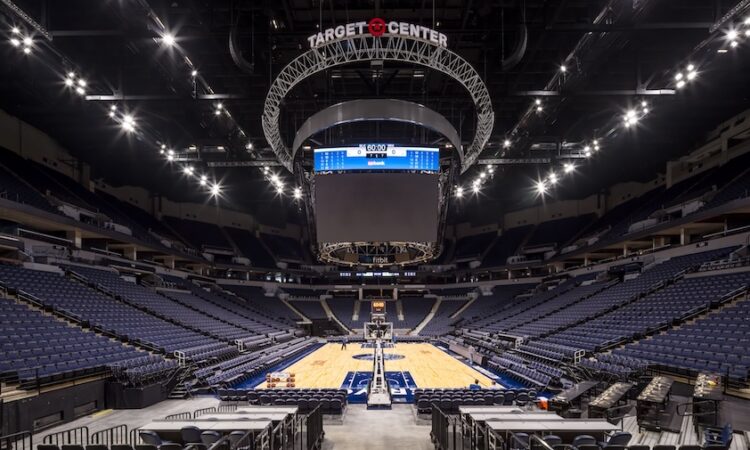
As for Wonder, one ponders why Lore never opened one in Minnesota during his brief tenure; would have seemed obvious. Maybe even in Target Center—food halls don’t seem to take up much space. But maybe he didn’t want that sort of attention.