

Lessons Learned: Eric Dayton
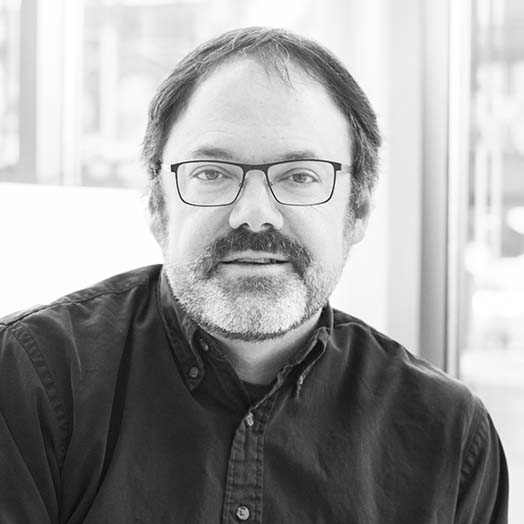
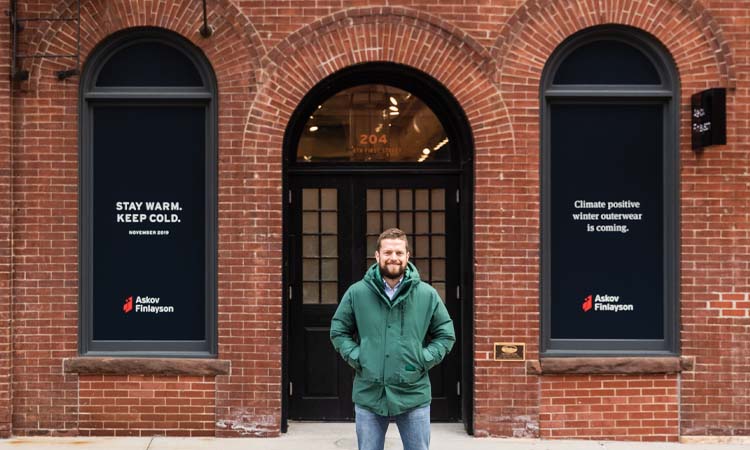
Eric Dayton has yet to enter politics, but he maintained the family tradition of curated retail and hospitality when he returned from grad school to found a series of businesses that helped define the North Loop, affirm the idea of a regional identity (“North”), and inject sustainability into the outdoors industry.
They’re all gone now, and he’s starting over: older, wiser, and ready for his next act. We sat down with Dayton, 45, to hear what pioneering and then ending three businesses in 15 years taught him.
TCB: How did your time at Target inform what came after?
Eric Dayton: I was a business analyst. It was a good training into the analytical side. Then Stanford was entrepreneurial. I knew whatever I was going to do, I wanted to do it back in Minneapolis. I wanted to build something here.
What was the vision for Bachelor?
My brother [Andrew] had joined me as partner. We asked what did the neighborhood need? How did that align with what we were passionate about? For us, it was hospitality and retail. A lot of hospitality of that time felt like it was trying to be cool by being somewhere else, and it just bugged me. We really wanted to be of this place.
It feels like today you don’t have to create the vibe of another city.
I hope that’s true. I’m glad you see that. I hope we’ve grown more confident in who we are. I wouldn’t take credit for it.
Askov Finlayson was an exit on I-35?
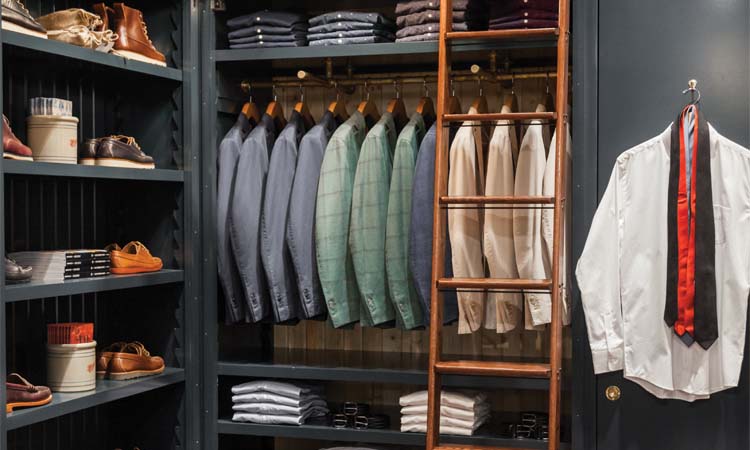
It was the best free billboard in the state! I think early on, [for the clothing store] it was honestly just stuff. If my brother and I both liked it, it went in the store, so it made perfect sense to us and no sense to anyone else. It was the success of the restaurant that led us to think, Hey, what would the retail equivalent look like? And that helped us edit the store.
Hospitality and retail are two of the most difficult businesses.
We took a big swing. I mean, the restaurant and Marvel Bar downstairs and then the store a couple months later. In hindsight, maybe a little too much at once.
Did the two eventually make money?
I’d say it was break-even; it was never a great financial success, but that wasn’t our primary goal.
What led to the decision to wind down?
Covid. The question was whether to try to reopen [the restaurant]. It was also probably one of the hardest, if not the hardest, decisions in my career. Askov Finlayson remained online, but it was never going to present the opportunity to build something of significant scale. Climate was my passion. I saw an opportunity to build something that could put a bigger dent in that problem than one clothing company.
Tell me about Cold.
Version one was somewhat idealistic and naïve. The best advice came from a mentor early on. He asked, “Is Cold a vitamin or a painkiller? Because companies don’t buy vitamins. They buy painkillers.” We were trying to sell vitamins, and it wasn’t going that well. I would add that if you’re selling performance-enhancing drugs, they’re happy to buy those.
Where we found opportunity was helping companies navigate environmental regulation. It’s a complex landscape. We could show a clear ROI where [fines for noncompliance could cost] tens of thousands of dollars a day potentially. The ROI for sustainability can be a little bit nebulous. This was very clear.
What was the sell?
We will help your company become more sustainable and reduce its carbon footprint. That’s something your younger employees and customers are going to reward. But we realized we had to find something the CFO was also excited for, because otherwise you’re not going to get a customer. [Compliance] was a nascent, emerging space. That was where we finally found opportunity. The sell was corporate altruism or businesses that are looking for positive impacts in addition to selling something.
“It’s about how do people who are driven by values create change in culture? Do you do it from inside or outside?”
—Eric Dayton
A company can do a lot just being successful. More jobs, pay more taxes.
Pure altruism doesn’t sell—at least at scale. One of the challenges for the sustainability community is they have to convince people who have different priorities. I find myself talking to a lot of young people with an environmental studies major and they want to work in sustainability. I tell them, “Learn how the business works and how it makes money. And then move into sustainability, and you will speak the language of the people that approve those decisions. ”
That’s the way of business.
If you’re expecting the CEO or CFO to make decisions just based on sustainability, you’re going to be disappointed.
Read more from this issue
What undid Cold?
“Liberation Day” happened and these tariffs were introduced. We were working with a lot of companies that manufactured overseas. So all our customers went into budget freeze, lockdown, survival mode, driven by uncertainty.
We’d raised a pre-seed round [of financing]. The end of that runway was in sight, but we had no momentum or growth story to raise more. Business is precarious. That’s the lesson, really.
Has it soured you on sustainability as an economic endeavor?
In this political environment, it’s not the easiest field in which to build a business, and kudos to people who are doing it. It didn’t sour me. It was just a dose of reality.
How are you thinking about the future?
I took the summer off, my first break since 2007. I told myself I was not going to worry about having an answer to “What are you doing next?” which was uncomfortable. I want to be thoughtful about the decision because I won’t get many more such moments of opportunity.
Do you feel pressure to be impactful?
It’s hard to just totally block out the legacy of my families, especially here in Minnesota, and of course my dad in politics. I think I’m finally to a place where it doesn’t weigh as heavily. With The Bachelor Farmer, especially, the fear of failure was profound—a big part of what drove me for a decade was “Don’t let this fail, because how embarrassing would that be?” But it did teach me failure is not fatal. I see my former employees and they’re doing cool new things and have gone on to success.
Odds are you’re going to reach the point where none of these legacies are even remembered, right?
Yeah. There’s the Steve Jobs graduation speech at Stanford; I’m not going to do it justice: The most liberating thing to keep in mind as you’re deciding what to do with your life is that we’re all going to die, so do what you’re passionate about and don’t worry about all the rest. It’s a good reminder not to overcomplicate it.