Companies are using internships, apprenticeships and targeted strategies to identify and develop the talent pool they need.
Industry
Broadband is critical to the fate of Greater Minnesota. But the people who can make a difference, from providers to politicians, don't even agree on the problem, much less the solution.
A spokeswoman for the fitness center chain said the decision came from requests from its members who were tired of seeing “consistently negative or politically-charged content.”
But most hospitals in the state finished in the black with some enjoying big double-digit margins.
Latest Articles
But most hospitals in the state finished in the black with some enjoying big double-digit margins.
University professor Jerrold Vitek and the MnDRIVE program were key in approval for Parkinson’s treatment.
The medical device company expects to get FDA approval for its flagship product this year.
Todd Austin said MGC will now focus on expanding into foreign markets and other growth opportunities.
Terms of the deal were not disclosed, but Ecolab did admit Cascade had sales last year of approximately $35 million.
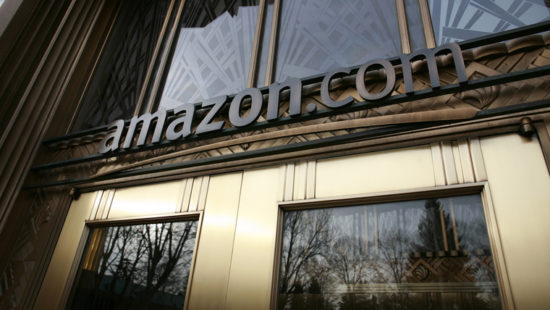
Muster believes that the future of retail is a mix of online and offline, and Amazon needs a bigger brick-and-mortar footprint to compete with Walmart. The logical step: Buy Target.
Revisiting some of the most notable un- and underdeveloped sites in Minneapolis and St. Paul to see what's been built — or not.
An Aussie firm with a Twin Cities headquarters is using circadian waves to identify depression types.
The purchase, once finalized, will make Cargill the only supplier of both animal feed and pet food in the nation’s agricultural retail market.
Shared spaces are attracting freelancers
in the Twin Cities, but they also are housing companies.
LendEDU’s annual tracking study points to at least temporary improvement.
Snacking is taking the place of dining, and several Minnesota companies are benefiting as a result.
A special report on how the North Shore city is reinventing itself.
Minneapolis’ new mayor on his early agenda and healing the city’s relationship with business.
Utilities say market forces and new technology, not politics,
have dethroned “King Coal.”