Minnesota’s representatives come from varied ideological, geographic and economic backgrounds. And they all want the medical-device tax to die.
Health Care + Med Tech
What does the 2016 legislative session portend for Minnesota businesses?
Several big names put money into the company.
Investment in the industry reached nearly $435 million, according to the Medical Alley Association.
$300,000 has already been raised.
Takeda hopes to take advantage of Minnesota’s strong bioscience sector as it opens its first U.S. manufacturing facility.
Nautilus bought the company after a year-and-a-half long search for “a strategic acquisition” to grow its equipment portfolio.
Minnesota colleges are updating and expanding their science, technology, engineering and math programs to meet business needs in a 21st century economy.
The medical device tax has become a burden for Minnesota’s medical device industry with a quarter of the taxes paid for by companies within the state.
Stephen Hemsley, chief executive of the nation’s largest insurance company, called taking on Affordable Care Act exchange customers “a bad decision.”
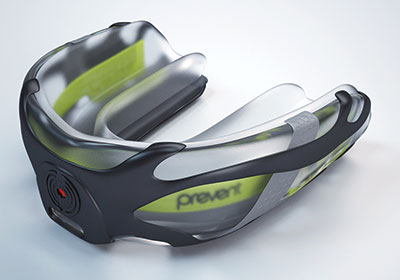
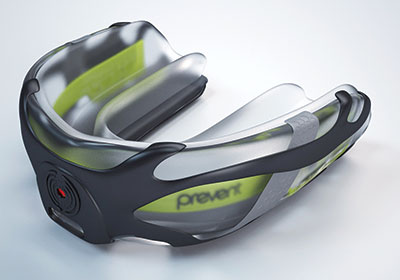
Wellness innovations were a hit at this year’s MN Cup.
The device can wirelessly send information to physicians.
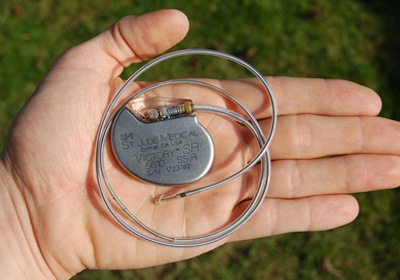
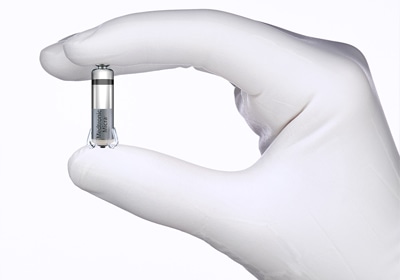
A new study found the revolutionary pacemaker lessened major complications by half compared to conventional models.
The former president and former CFO of Starkey both had items confiscated from their homes, which included a computer, documents and a car.
The Arden Hills agribusiness is looking to expand its African operations, an area that Land O’Lakes CEO calls “everyone’s great growth market” in the future.
With Medtronic being one of Ireland’s largest employers, analysts say there is a new incentive for the medical device maker to prioritize its Dublin headquarters for R&D.
The health insurer lost bids to run part of the state’s low-income health programs.
The additional employees are needed as business at the health insurer surges.