



The clinic will stick to treating minor health issues like sore throats, sinus infections and the flu.
Health Care + Med Tech
Study says retail clinics add to nation’s healthcare tab by driving new utilization of primary care services.
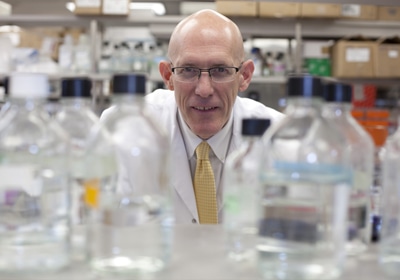
Researchers with the medical institution hope to reverse engineer a vaccine that will be inexpensive and easy to produce.
The list is pulled from public data on performance and outcomes.
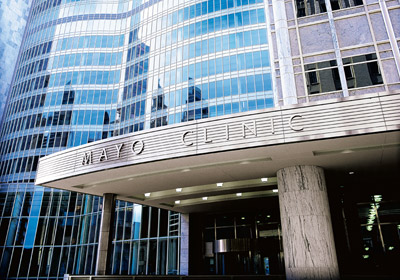
Ambient Clinical Analytics software going global in Philips’ patient monitoring devices.
The company’s CEO allegedly told his hiring officials that “women in sales is a 100 percent fail.”
The training is meant to reduce stress and improve patient care.
Topics addressed will include dietary and cultural issues that have affected Native American health outcomes.
The clinic has been located at the Hub Shopping Center for the past two decades.
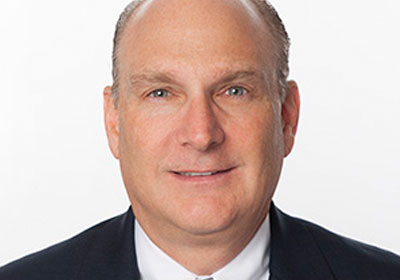
Company creates “chief medical officer” role.

Study says employers and employees can save big bucks by shopping around for common colon cancer screening test.
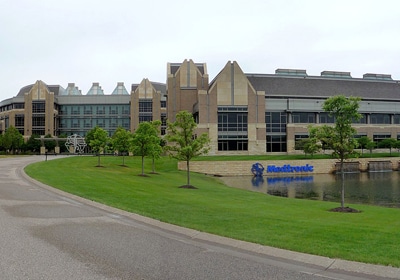
The company reported a 61 percent rise in revenue compared to its year-ago results without Covidien.
The $4.6 million grant will help expand the oral health clinic to include more treatment spaces, a lab and a satellite dental room.
CEO Howard Root was accused of personally coaching sales staff to market unapproved uses of the company's medical devices to physicians.
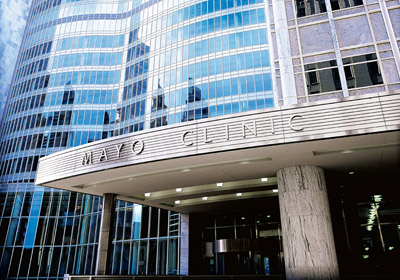
In 2015, the institution returned back the operating margin of 5 percent that it typically targets.
The health system said the programs are meant to help "individuals whose lives demand a personalized, attentive and high quality experience."
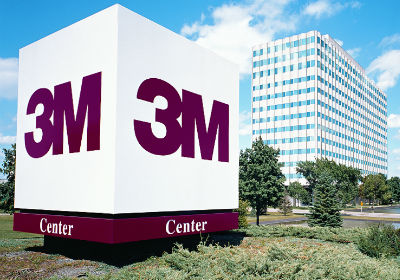
Tens of thousands of Minnesotans may be accessing water that was contaminated by harmful chemicals.
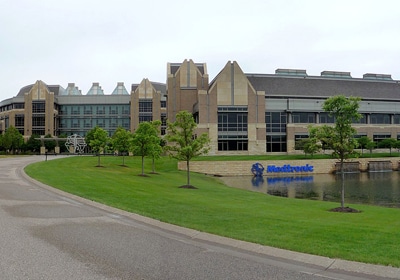
The purchase will expand Medtronic’s portfolio in the global dialysis market, which is said to be worth more than $75 billion.