



The metro area’s 2011 exports totaled $26.2 billion in 2011, up 12.9 percent from the previous year, according to the U.S. Department of Commerce.
Business + Economy

Ryan Companies US, Inc., will serve as the general contractor and lead designer for the new $54 million Lowertown ballpark.

The state gave Tata Consultancy Services a $500,000 loan to help with its expansion, half of which will be forgiven after the jobs are created; the company says the hiring will occur over the next two years.
The project received the largest portion of $47.5 million in capital grants just awarded by the state; among other high-profile projects, the Metropolitan Council received just $2 million of the $14 million it requested for the proposed Southwest Corridor light-rail line.
The state assigned scores to 37 projects vying for a portion of the funds, and Governor Mark Dayton is expected to make a final determination about the winners later this week.
Geringhoff chose a St. Cloud site over more than 40 other prospective locations across North America because of the quality of the local work force, support from regional government agencies, and proximity to raw material suppliers.
U.S. Bank and the Metropolitan Economic Development Association have launched a series of quarterly events offering business consulting to minority entrepreneurs in the Twin Cities.

The Nicollet Mall property hopes to transform itself into a luxury hotel that will compete with the Hilton Minneapolis and the Hyatt Regency Minneapolis—and that will attract more corporate travelers during the work week.

More than half of the openings are in the Twin Cities, and nearly two-thirds are at mid-sized companies—those with 10 to 249 employees.
After announcing plans to add more than 2,500 jobs in Colorado, Texas, and California, UnitedHealth Group is now boosting its presence in New York.
The countertop maker plans to increase production in order to keep up with a spike in demand.
Minnesota companies would reportedly need to boost exports at a rate of nearly 15 percent each year in order to achieve Governor Dayton’s goal to double the value of exported items by 2017.

The mayor also called for a 1.7 percent hike in the city’s property tax levy, although he said that most Minneapolis homeowners are not expected to experience an increase in their city property taxes.

July marked the second consecutive month of job gains, although Minnesota’s unemployment rate rose slightly.
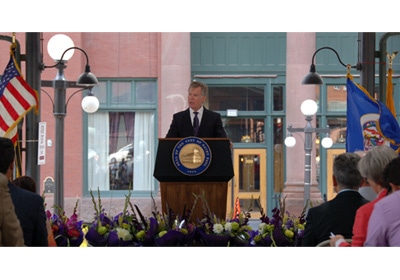
Chris Coleman’s proposed 2013 budget would reduce spending by $1 million, increase the property-tax levy by 1.9 percent, and restore $1 million in funding to the police department.

Year-to-date, the number of new business filings in Minnesota is up 16 percent from the same period last year.
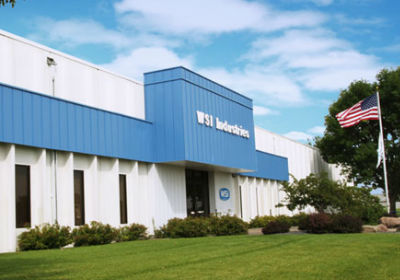
WSI Industries said that its 47,000-square-foot expansion will accommodate new machinery and new employees.
The new office, which aims to stimulate exports, will assist businesses in learning about opportunities abroad, among other functions.