

Rybak: The Toughest Neighbors in America
It feels impossible to have a conversation with anyone in the state right now without the topic turning to the federal incursion into our state, workplaces, and homes. While there has been a changing of the guard, the federal surge of agents into Minnesota has not ended. This week, reports from across the state portend a dark chapter, with schools, bus routes, and care workers becoming primary targets.
In conversations, two themes keep standing out: resilience and neighborliness. These stories may contain the seeds of Minnesota’s next chapter.
In our upcoming print issue, senior editor Liz Fedor and editor Adam Platt wrote about how Minnesota’s reputation has taken a hit since 2020. Much of that was born out of traumatic events. Minnesota has had a really tough first half of the decade. From Covid-19 to multiple murders at the hands of law enforcement to riots to a targeted political assassination to a school shooting to the biggest federal enforcement operation in history to a fraud scandal that made international headlines, we have all been put through the ringer.
People are tired. More than anything, most people that I talk to just want their lives back. They want to take their kids to school, go to work, get groceries, go out to dinner. The boring stuff. We didn’t ask for any of the chaos we’ve faced over the last five years, and we definitely didn’t ask for the collateral damage it’s done to the local economy and our collective psyche.
We’re asking, what comes next? Also, what will it mean for business? The thing that was missed in criticism of the 64 major corporations signing a letter asking for a “de-escalation”—which many viewed as not strong enough to meet the moment—is that many of these companies do not seem to want the role that people are asking of them. These companies do not seem to want to make a statement that could make some people mad. They may feel like they are in an impossible position, where no matter what they say, it will lose them customers and hurt their business, workers, and reputation.
Since 2020, the business community in Minnesota has been looking for its story. There has been a noticeable lack of public input from business leaders about what Minnesota offers today, relative to the preceding decade.
I believe this absence of a collective story has become a driving factor behind business leaders’ lack of influence during the 2023 state legislative session. At that time, many business leaders felt like they didn’t have a voice. The best way to have influence is to make your voice heard before you need people to hear you. Business leaders were missing in action in the years leading up to this moment.
To move forward, we can’t ignore the stories from the past several weeks: people with legal authorization to be here shipped to Texas and later discharged with no documents or way to get home; people who have hidden inside of their homes for weeks, scared to go to work or school. There are hundreds of these stories. They won’t go away anytime soon.
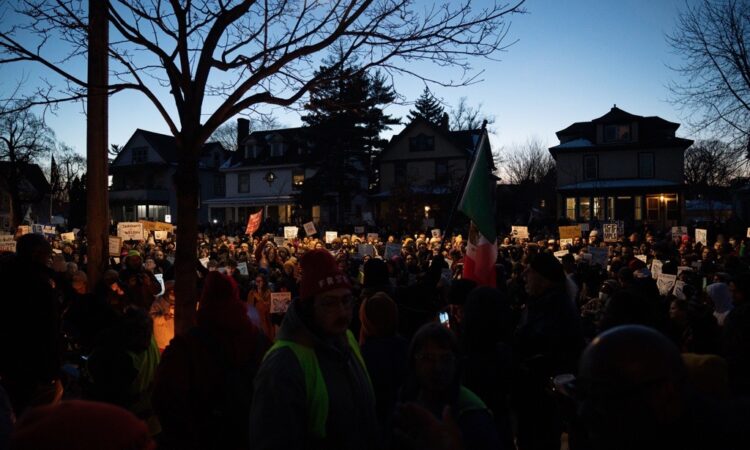
But over the last five years, another track of stories has finally gotten the attention it deserves. When people smashed windows on Lake Street in 2020, hundreds came the next day to help clean up. When community members who are here legally have been targeted, their neighbors have stood guard at their places of work and worship. They have brought groceries to people forced to hide inside their homes, and they’ve donated to help them pay their rent. Parents and teachers are standing watch outside of school buildings.
Through all of this, I have been reminded why Minnesota is special. Resilience is a muscle, one that gets stronger when you work it. We are a tough people, and over the past several weeks, we have proved it to the world.
Ask any entrepreneur what the most important character trait is when starting a new business, and resilience is likely to be one of the first things out of their mouth. The ability to keep going when the odds are tough, nobody is answering your calls, and it feels like people are giving up on you—that can take grit. It’s a lot less scary to start a restaurant, launch a new manufacturing line, or build a new building once you gain resilience. You can build a whole economy on that sort of structural toughness.
Medtronic CEO Geoff Martha recently described Minnesota’s specialness in a way that has stuck with me. He published a piece on LinkedIn back in November that articulates structural reasons the state is unique: the culture of corporate collaboration, the strong talent retention, and a small-business mix he says has made the local economy “resilient and inclusive.”
Martha’s piece stands out as a rare moment in recent history when one of the state’s major corporate CEOs published something that really talks about Minnesota as a place. It’s beautiful in a way that could only come from someone who really loves it here.
He mentions the challenges, too—also outlined by Fedor and Platt in their story on Minnesota’s reputation.
But, to consider our state a place where people want to live and raise a family—which has been one of Minnesota’s competitive workforce advantages the past several decades—it should serve as a great selling point that neighbors have looked out for one another, whether that has meant shoveling the sidewalk or donating their time, resources, and voices to a historic moment.
The toughest place in America, with the best neighbors in America. It’s a great story, and maybe even the one that Minnesota has been waiting for.