

Razava Bread Co. Returns Baking Empire to Its Roots
The U.S. has been in a bit of a bread renaissance. “People are beginning to rediscover bread as it used to be baked and served and eaten” in the pre-industrial era, explains Omri Zin-Tamir, head baker at Razava Bread Co.
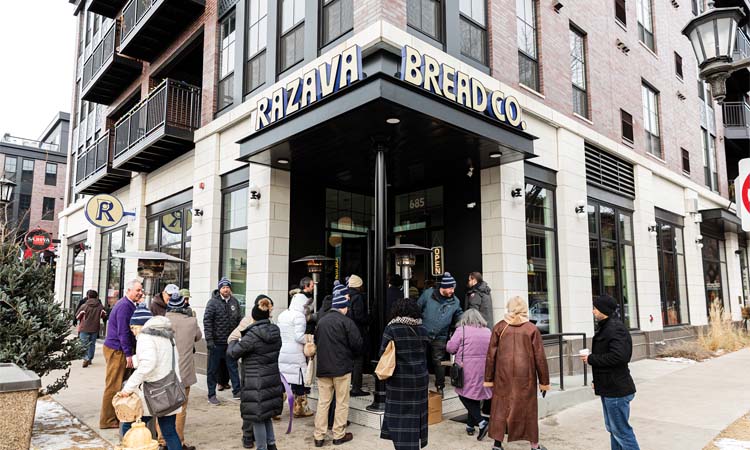
The corner bakery and café opened its doors on St. Paul’s Grand Avenue in December. The word “artisanal” is overused, owner Steve Baldinger says, but the point is these are long-fermentation loaves, handmade in the Razava kitchen. (All Razava breads are sourdough.)
“It’s just a bread that’s better for you,” Zin-Tamir says. Genetic modifications and commercial processing have changed wheat and bread in the U.S. and is believed to have driven a lot of contemporary gluten intolerance.
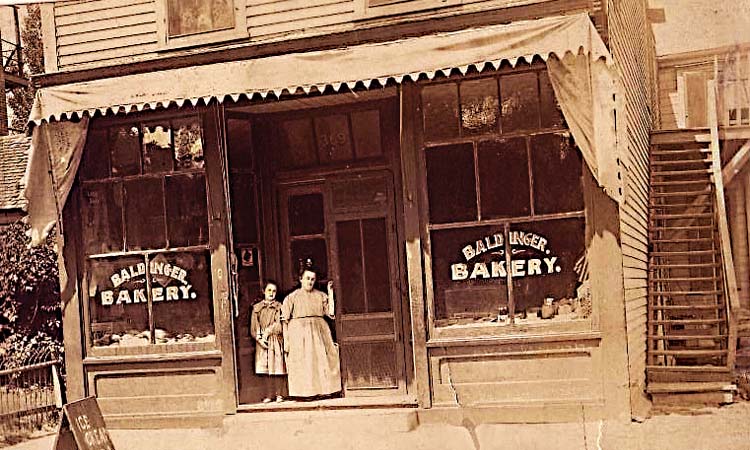
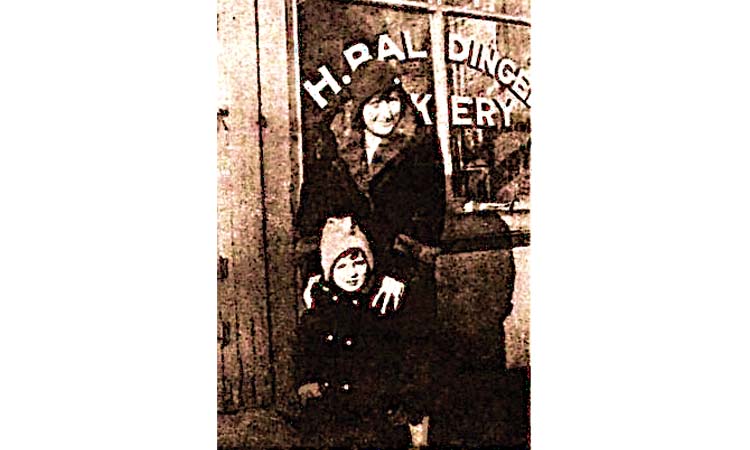
For Baldinger, it’s a market niche with deep meaning. Steve’s great-grandfather, an immigrant from what is now Poland, opened a bakery not two miles from Razava in the late 1880s. There, he baked a bread called “razava,” meaning “making a flour or bread from that first cut of wheat or rye, oats,” Baldinger says.
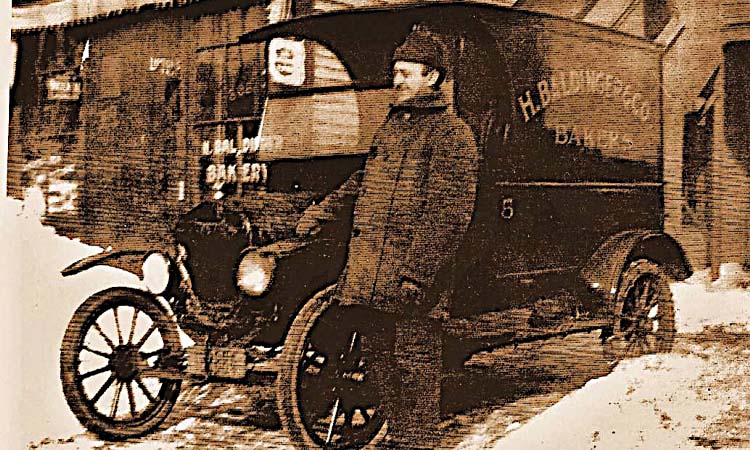
That bakery would evolve into a major baked goods wholesaler by the mid-20th century. Today, Baldinger Bakery is perhaps best known for making McDonald’s hamburger buns. In 2022, it was sold to C.H. Guenther of San Antonio, but the family remains involved.
“We’ve got many interesting stories inside that 140-year history—a corner bakery, an industrial bakery, being a restaurant,” says Baldinger, the fourth-generation CEO. “We actually made matzah at one time.”
Razava became an idea five years ago. “I was going around different places in the country, seeing what was being offered,” he says, “and then what wasn’t being offered in the Twin Cities.”
The venture raised eyebrows. “A lot of people were going, ‘What are you, crazy?’” Baldinger recalls, noting the family hasn’t been in retail for a quarter century.
Read more from this issue
But Baldinger is driven by history, and early returns are encouraging. (Razava employs 25.)
Baldinger’s father, Bob, who died in December at 97, got to see the continuation of the family story. “He was able to see us open, work the back, put bread in and out of an oven like he used to, back when he started.”
“We just need to sell more,” Zin-Tamir notes. “I think over time our product will speak for itself.”