

How the Iconic Candyland Has Made It Work for 94 Years
The scent of butter, not sugar, is the calling card.
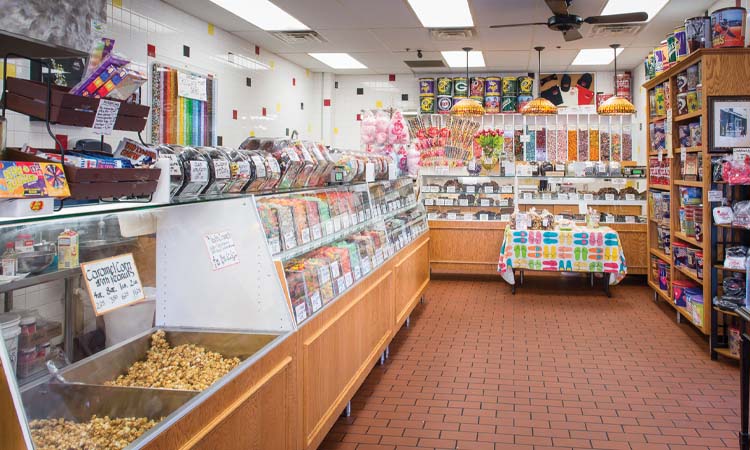
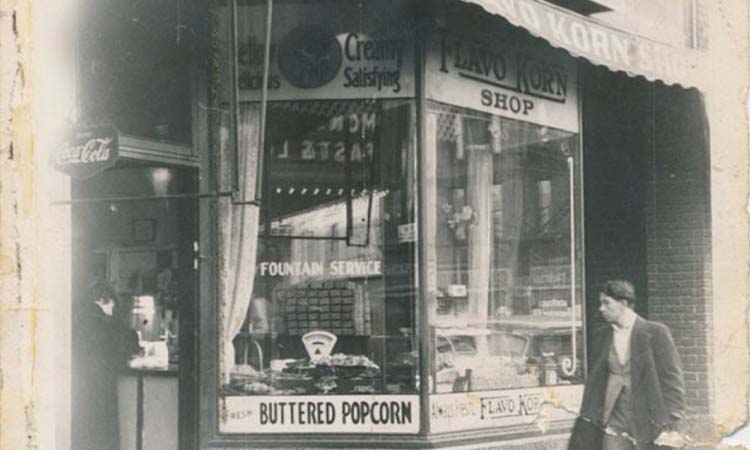
A Twin Cities institution, Candyland has been around since the 1930s, and most customers know it for its “Chicago mix” popcorn, a combination of plain, cheese, and caramel varieties. The co-owners, mother-son duo Brenda and Brandon Lamb, have been popping that corn since the family purchased the business in 1981 from Arnie Kelsey, who bought it from the founders in 1938. (The original store name was Flavo Korn Shop.)
Despite the name, “I like to tell people we’re more of a popcorn shop, because that’s really what we’ve been doing for 94 years, but we’ve added a ton of stuff like chocolates that we make ourselves,” Brandon says. Popcorn is Candyland’s bestseller at all its stores, accounting for 40% of sales, with chocolate second at 25%.
The Lamb family owns all three Candyland stores—the iconic locations in the downtowns of Minneapolis and St. Paul, as well as a Stillwater location they opened in 2012, which is now the growth engine.
Brenda says the Minneapolis location on Seventh Street in the old Dayton’s Arcade has struggled since 2020 because “people felt unsafe” during the Covid-19 pandemic and avoided going outside when there were “riots” downtown. But “people are coming back,” she adds. The Lambs credit that to the vibrancy of Minneapolis’ entertainment district along First Avenue and to Target Center, which is two blocks away.
Despite the name, “I like to tell people we’re more of a popcorn shop, because that’s really what we’ve been doing for 94 years, but we’ve added a ton of stuff like chocolates that we make ourselves.”
—Brandon lamb, co-owner, Candyland
Candyland’s downtown St. Paul location at Seventh and Wabasha has been surrounded by change. “We don’t have the walk-in traffic the way we used to,” Brenda says. There’s construction “everywhere all the time,” Brandon adds, as well as unhoused people congregating around Candyland, according to Brenda. And four years ago, the city put a bike path in front of the store, replacing the street parking that had long existed. (About half of St. Paul customers drive to this store; this reporter had to park three blocks away to visit, which could discourage some customers.)
Read more from this issue

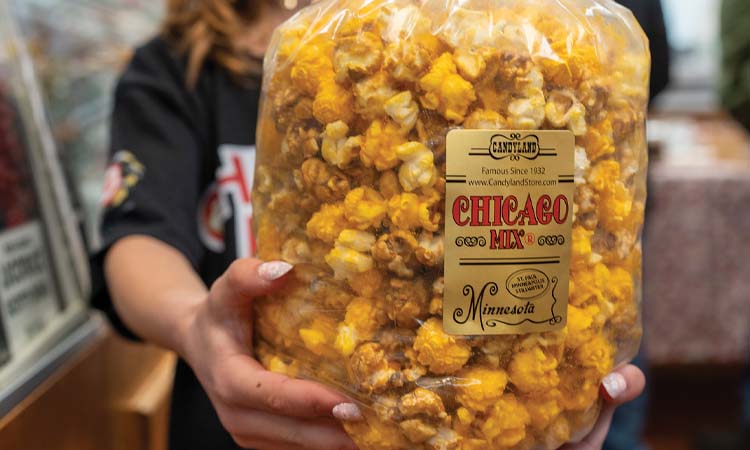
Candyland has looked for other sales channels to balance customer volatility at its stores. One channel is wholesaling to grocery stores. “It’s a different dynamic than we’re used to,” Brandon says. “We’re learning still. But we continue to grow.”
Regardless of obstacles, Candyland’s partisans will not be denied; lunch hours at all locations boast lines out the door. Kids crowd inside and step up to glass jars of childhood fuel, while parents use the excursion to justify a treat for themselves; the commute home always goes down easier with a bag of Chicago mix.
There’s one thing that might jeopardize a 94-year-old business that has survived pandemics, world wars, and winters that turn taffy to rock candy: tinkering with success. Candyland continues to thrive by sticking to the same recipes it has used since the Depression, Brenda says, because if you start fooling around with a sweet thing, people might sour on it.