

MN Cup 2026: Sobrynth
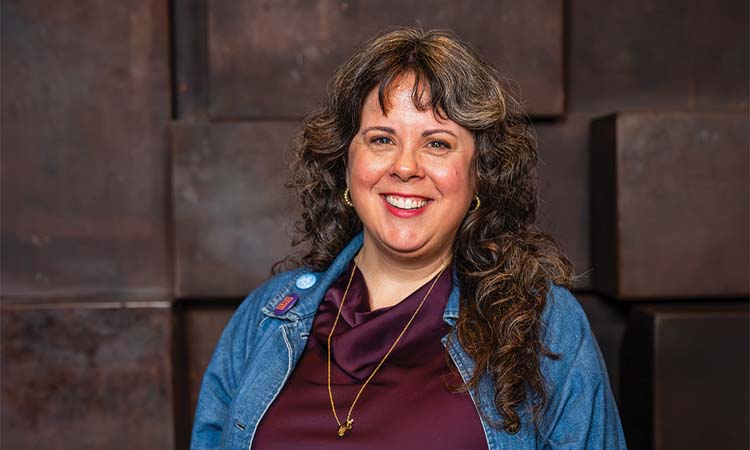
Nearly 50 million people in the United States live with alcohol and substance abuse disorder (SUD), including 70% who are employed. Yet there are few employer-based resources for employees to find help with achieving and maintaining sobriety. With Sobrynth, CEO Marin Nelson created a new model to provide support for employees and their loved ones at all stages of SUD.
Division Judges
Brian Gustafson, Olympus Ventures
Matt Ladhoff, Minnesota Carlson
Wendy Hanson, MobileAxept
Erik Halaas, Macalester College
Katie Kalkman, Impact Hub MSP
Connie Rutledge, FINNOVATION Institute
Demi Radeva, Akros Advisory Services
La Juana Whitmore, La Juana Whitmore Consulting
Katie Piehl, Bloomwise Partners
Kate Winter, Medica
Ephi Eyal, Rippleworks
Reynolds-Anthony Harris, LP + design
Hemasundara Reddy, Publicis Sapient
Jennifer Hawkins, Minnesota Management and Budget
Bao Lee-Yang, UMN Office for Supplier Diversity
Will Nielsen, Ecotone Analytics GBC
Traditional employee assistance programs typically require people to identify themselves through human resources systems—a big barrier that leads to underutilization. Nelson developed the concept for a workplace benefit that connects people to an independent platform offering immediate, anonymous, and free support. In 2024, Nelson started Minneapolis-based Sobrynth to bring its SOBRPath service to employers.
When employees or family members need help for themselves or a loved one, they reach out to SOBRPath via phone, email, or its digital tool. They select the peer recovery coach they want to consult. Coaches are in recovery themselves, and they can answer questions and help people navigate recovery supports and options. There is no limit on how long or how often clients can engage with their coach. SOBRPath also includes articles, conversation guides, and a nationwide resource directory.
Many employee assistance services jump right to inpatient rehab, which can discourage people from getting help, Nelson says. Instead, Sobrynth peer coaches connect individuals to the care they seek, including AA or outpatient services. “We provide 24/7 access to real help, where they can talk to someone in recovery. They have been there and lived it, and that matters for a disease that has stigma and shame,” Nelson says. “Getting earlier intervention for a progressive disease is how we solve for this disease and have a gigantic health impact.”
One in 10 employees has SUD, and that carries a big cost, Nelson says. Annually, people with untreated SUD cost employers $8,817 per affected employee, a number that has risen 30% recently, according to National Safety Council data. Compared to employee assistance programs, utilization rates for Sobrynth are three times higher, at about 8%.
In long-term recovery herself, Nelson first co-created the Soberforce employee resource group at Salesforce, where she was a sales executive. It established a community of people who are sober-curious, seeking to become sober, or working to maintain their sobriety. Co-workers began asking for help connecting to resources. Realizing employers could play a vital role in helping people get and stay sober, she left to start Sobrynth.
Employers are seeing significant return on investment from offering Sobrynth as a benefit. Sobrynth landed paid customers in its first six months, and it now serves employers nationwide, from small businesses to Fortune 500 companies. Sobrynth works directly with employers, healthcare plans, and the 10 biggest employee benefits brokers in the country.
“This is not a nice-to-have wellness benefit,” Nelson says. “We have a fundamental healthcare crisis that we have completely neglected as a country. We think Sobrynth is going to change that.”
Back to MN Cup 2026: AI, the Business Partner »