

MN Cup 2026: Octin Health
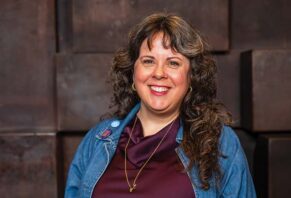
Cardiothoracic surgeon Meghana Helder intimately knows the risks of aortic dissection, a tear in the largest artery in the body. It is deadly 80% of the time when someone isn’t already hospitalized, while 25% of people don’t survive the surgical repair. Helder has devoted countless hours to fixing aortic aneurysms to prevent dissections.
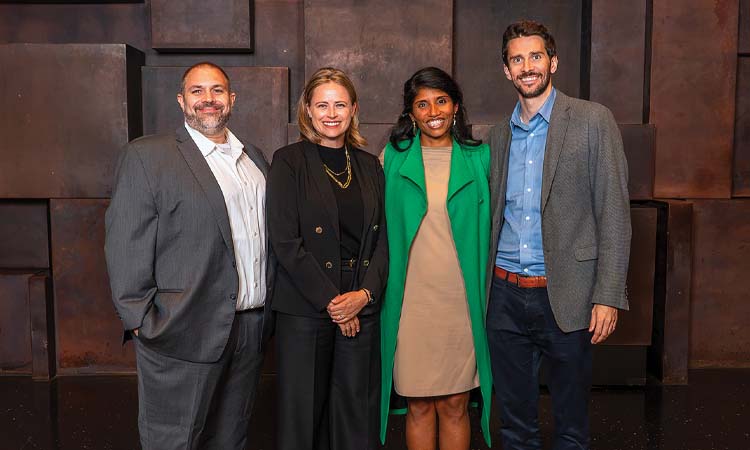
Division Judges
Amanda Welters, Fredrikson
Kate Siegrist, EisnerAmper
Charlie Schaller, UnitedHealthcare
Mike Pietig, Genzeon
Nathan Widenman, Mayo Clinic
Joe Pulikkottil, UMN Office of Investments and Banking
Martha Sewall, Transformedtech
Dan Hurka, Zimmer Biomet
Heidi Hau, Pinnata Life Science Consulting
Krishna Singhal, TUV SUD
Peder Hatling, True North Group
Geof Hannigan, Medical Alley
Kathy Anderson, Laurel Bridge Software
Gyandeep Singh, Hinge Health
Ellen Dupler, Kerescis
Ross Meisner, Basil Systems
Brian Repko, Retired
Alfred Olivares, HTEC
Mick Tiedman, Medical Alley
Angie Conley, UMN Venture Center
In 2024, Helder started Octin Health to develop a medical device that would make aortic aneurysm surgery safer. She also aims to increase the number of people who have the procedure, which repairs a weak spot in the wall of the aorta. Currently, only about 20% of people who need the elective surgery have it. Many surgeons and community hospitals don’t offer the operation because of its high risk, length, and complexity.
“It’s common sense that the more we operate on aortic aneurysms, the less aortic dissections there will be. But it’s very hard as a patient when we’re telling them that there is a 9% chance of dying from something you don’t feel or see and it’s not limiting you now,” says Helder, CEO of the Edina-based company.
Surgery to repair aneurysms in the aortic arch is notoriously difficult and hasn’t changed much in nearly 75 years. The eight- to 10-hour open-heart operation involves cooling the patient to low temperatures and draining all of the body’s blood into a heart-lung bypass machine. Surgeons then place a graft in the blood-free field, restore blood flow, and rewarm the patient.
Trained at Mayo Clinic, Helder got inspired to transform the surgery after a brutal Thanksgiving weekend in 2023. She was doing her surgical team’s fourth dissection repair at a Twin Cities hospital when one of their earlier patients crashed in the ICU. There was little they could do.
“I felt very helpless and thought that this just isn’t OK anymore,” Helder says. “We know the risk we put patients through, and we should be able to do better. It seemed simple with the advancements we’ve made in everything else that we should be able to figure this out.”
Helder got to work early that morning when she got home from the hospital. She created a rough prototype for the Elika Device to eliminate the need to fully stop circulation. Helder designed a tube and balloon system that clamps the aorta internally to keep blood out of the surgical space. Elika connects to the bypass machine and allows for continuous blood flow to the rest of the body.
This cuts the time patients are on bypass in half and eliminates the lengthy cooling and rewarming steps. It makes the procedure far safer, with fewer complications, while shortening hospital stays because of faster recoveries, Helder says. The improvements should enable more hospitals and surgeons to do aneurysm operations.
Helder filed a provisional patent in 2024, started Octin, and began working with an engineering firm to design and test a prototype. So far, Octin has raised nearly $4 million, including a $2.5 million seed round with Groove Capital in 2026.
Octin recently started human trials in India to build its case for U.S. Food and Drug Administration approval due to India’s shorter regulatory process. The company and its team of five, which includes medical device veterans, is targeting approval and launching sales by late 2027.
“I’m incredibly impatient,” Helder says. “It’s hard to look patients in the eyes and know that there is a better way we can do this operation.”