

From Setbacks to Showtime
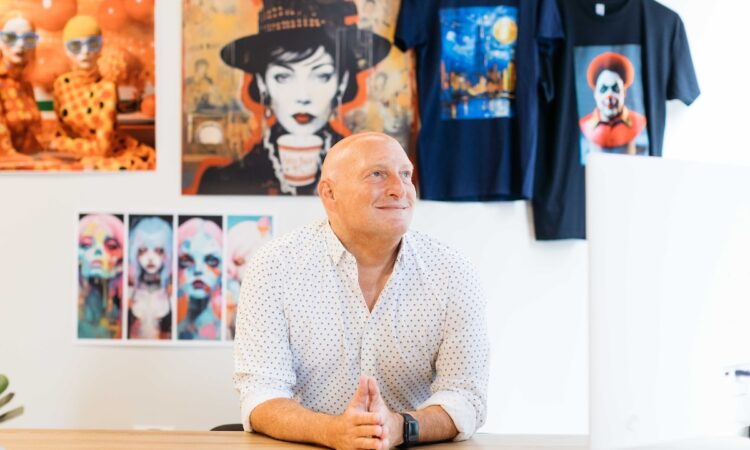
I wrote last fall about the emotional rollercoaster of building RoboArt—a tech startup I launched at age 58, way outside my comfort zone. Starting over at age 58, creating a new company with emerging technology is not easy, especially when you’re an apparel guy and know nothing about tech. Since then, the ride hasn’t exactly smoothed out… but I’ve learned when to push forward, and when to pivot.
Last summer, we started integrating what I believed would be the crown jewel of the platform: an interactive 3D visualization tool. The plan from my tech team was six weeks. The reality? Seven months of delays, bugs, broken models, and clunky user experiences. Just when we’d get close, something else would break. Potential customers were losing patience. I made one of the hardest calls yet- scrap it. After all that time and money, we went back to a 2D interface, but with major UX upgrades.
It felt like a step backward…but it was the only way forward.
Looking back, I should’ve launched sooner with a simpler version and improved it over time instead of chasing perfection. But I had a vision—something retailers hadn’t seen before. I have over 25 years’ experience owning an apparel company where we worked with companies like Target, Walmart, and Disney, and I know what innovation looks like and what buyers expect. The 3D feature wasn’t just for show—it was designed to support full cut-and-sew, all-over print customization with no minimums. Hawaiian shirts, pajamas, golf shirts all visualized in real time. But instead of creating the “wow” moment, it became the bottleneck.
So, we regrouped and focused on delivering a stable, polished 2D platform with meaningful customization tools.
Go time
With the tech finally stabilizing, I shifted gears to sales. In October, I made a decision: no more waiting. I signed up for Shoptalk, one of retail’s biggest stages, held in March at Mandalay Bay in Las Vegas. It gave me a clear target and a reason to get RoboArt in front of buyers.
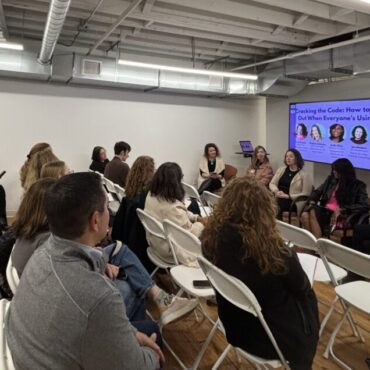
Shoptalk isn’t just a trade show; it’s an ecosystem of decision-makers. One standout feature is its Meetup program: double opt-in, 15-minute meetings with top retailers, brands, investors, and vendors. I booked 16 meetings. These meetings were fast, focused- and incredibly energizing.
I had real conversations with companies like Nintendo, Harley-Davidson, NBC, Gerber Childrenswear, and Tilly’s. After months of technical frustration, the feedback was incredibly validating. It reenergized me! The good news? None of these major players were currently using AI art creation for print-on-demand. There was genuine excitement, and several of these conversations are still ongoing and showing strong potential.
That said, breaking through with large enterprise retailers is a high hurdle. Not everyone is ready to jump on the AI bandwagon, especially when it comes to brand-driven experiences. Enterprise customers need to see real use cases and have confidence that the AI is safe, brand-aligned, and capable of protecting valuable IP.
Safe AI isn’t just a requirement—it’s the foundation for trust, customer engagement, and long-term brand value.
We’re still in the early innings of AI, and for retailers and licensed brands, ensuring responsible and controlled use is essential. As AI becomes part of the shopping experience, it’s critical to use tools that follow brand guidelines, safeguard intellectual property, and enable creativity within clear boundaries. Safe AI isn’t just a requirement—it’s the foundation for trust, customer engagement, and long-term brand value.
That’s exactly what we’re building- and what we’ll be proving out with our first customer integrations launching soon.
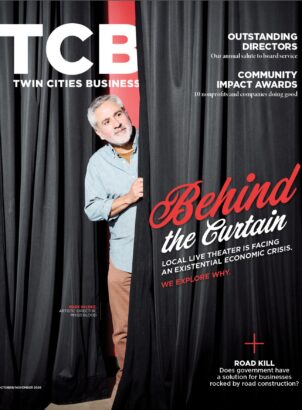
In June, I was honored to appear on the cover of Inside Fashion Magazine, which also featured an in-depth article on RoboArt and our pioneering work in AI-driven customization for retail. Inside Fashion is a leading industry publication with international readership across the U.S., Europe, and Asia—reaching senior executives, sourcing managers, product developers, and trend leaders throughout the global fashion and apparel supply chain. The feature provided outstanding exposure for RoboArt and lends instant credibility with enterprise retailers while generating new leads and interest from potential partners.
Two years, no salary
To be honest, funding everything myself is getting harder. I’ve gone over two years without income, leaning on savings and feeling the weight of time and runway. Thank goodness I have an understanding wife, who has taken on multiple jobs to help provide some income and insurance. But I’m staying present—taking it one day at a time. I still believe deeply in the vision: to let anyone, regardless of skill, create stunning, personalized art, choose a product, and order with no minimums.
The launch is near. My next article? That one will hopefully be about finally generating revenue.
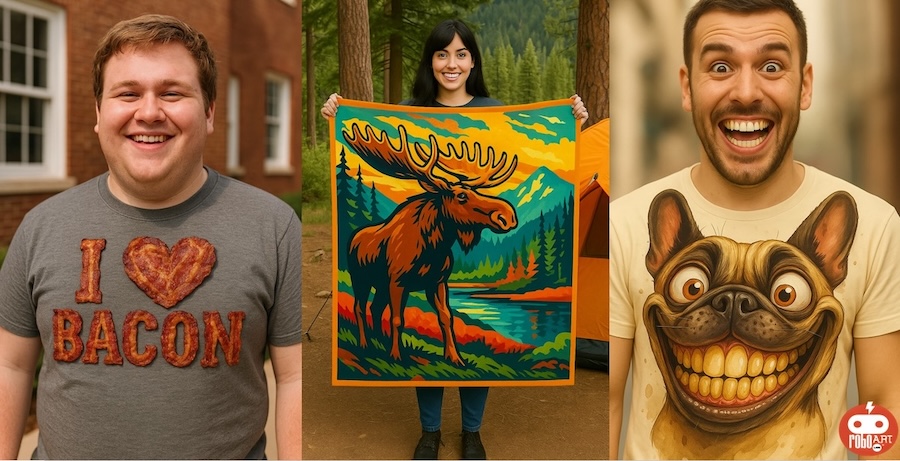
When I first started building RoboArt in 2023, my focus was on creating a “wow-factor” product for retailers. But after two years of testing, feedback, and countless conversations, I’ve come to realize that RoboArt is more than just a product; it’s a new way of selling at retail. With our white-label, embeddable app, we’re giving e-commerce retailers a new kind of shopping experience—one where personalization is at the core. We develop seasonal design styles and custom programs for retailers and brands who want to offer their customers something truly unique. Imagine being able to create your own custom summer t-shirt, a personalized pajama set for Mother’s Day, or an AI-designed Ugly Christmas Sweater for the holidays.
We’re now in conversations with licensed brands to train their IP in a brand-safe environment, giving fans the opportunity to co-create- and giving retailers a powerful new way to drive engagement.
It’s been a long road, but I believe we’re turning the corner.