



Dayton and lawmakers confirmed on Tuesday that state and Brooklyn Park officials have been working to entice a mystery Fortune 500 pharmaceutical company to come to Brooklyn Park by using a variety of business development tax incentives.
Politics + Public Policy
Among other priorities, legislators must assemble omnibus bills into a workable whole that will fund state programs and projects for the biennium that starts in July.
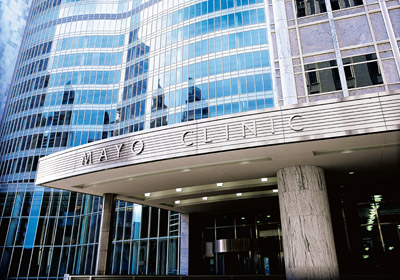
While Mayo Clinic’s request for expansion funding is being considered at the Capitol, 38 percent of Minnesota business leaders said in a recent poll that they support state funding for the project.

Television, radio, newspaper, and online ads funded by a group called United for Jobs target the governor’s plan to increase taxes and spending.
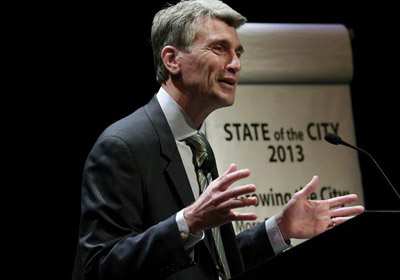
During R.T. Rybak's 12-year tenure, Minneapolis has paid down $241 million in debt and cut spending by 16 percent.
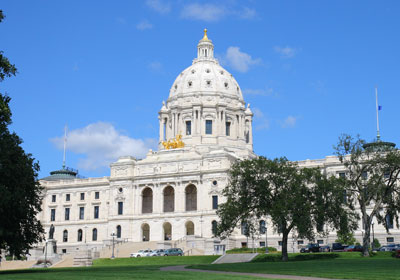
An omnibus jobs and economic development bill in the Minnesota House proposes a new program aimed at creating a skilled work force to fill manufacturing jobs.
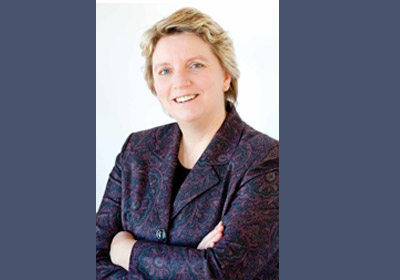
Sona Mehring announced plans to run for Congress in Minnesota's Second Congressional District, which is currently represented by Republican John Kline.
Minneapolis mayoral candidates Mark Andrew, Betsy Hodges, Gary Schiff, Jackie Cherryhomes and Don Samuels had their first debate on Wednesday.
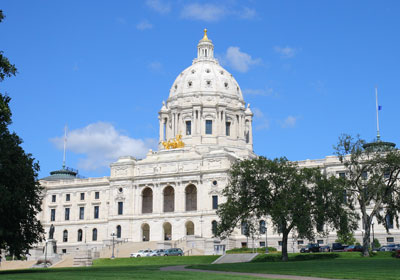
A study performed by IBM compares Minnesota’s efficiency in the areas of human resources, finance, payroll, and procurement to the performance of leading private- and public-sector organizations.
One in five Minnesotans is expected to use the new online marketplace, called MNsure, according to the governor’s office, but some groups are concerned about its control and financing structure.
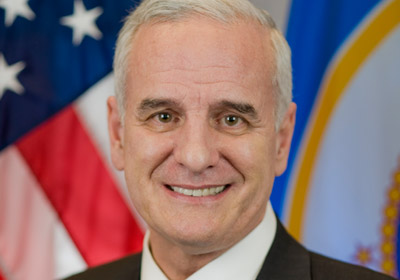
After dropping some controversial tax reform proposals, the governor said that raising taxes on the top 2 percent of the state’s earners would raise more than $1 billion in new revenue.
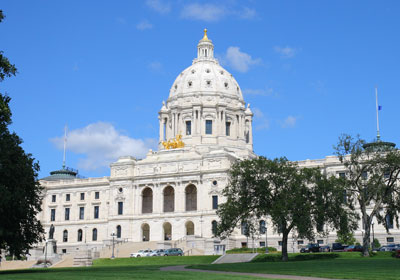
To little surprise, members of the local business community were happy with the governor’s decision to drop heavily criticized taxes from his budget plan.
The governor said Friday that he's taking the controversial business-to-business tax proposal off the table.

Creative funding mechanisms and tax incentives are driving public and private collaborations on real estate deals.

Macy’s has closed and Lawson might leave, but the Saints ballpark, light rail, and residential projects are underway.
The CBD looks ready to reinvent itself.
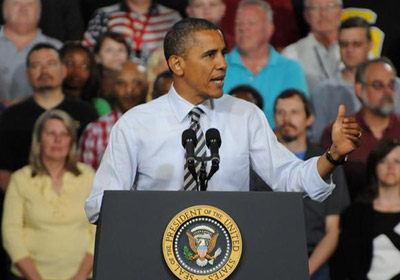
Strengthening the middle class is a common speech theme for President Obama, but can he design policies that will deliver on the goal?
Meanwhile, the Minnesota Department of Revenue clarified that the governor’s proposed tax expansion would apply to all purchases made by Minnesota businesses—but not to services sold to out-of-state clients.
State officials say the bill would add an average of $72 per student in fiscal year 2014 and an average $339 increase per student in fiscal year 2015.