

Arbitrators Call Foul on Glen Taylor’s March Maneuver
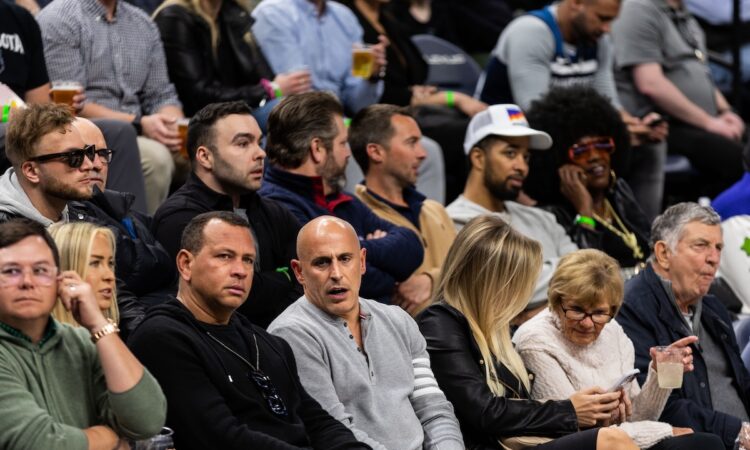
A panel of arbitrators rejected a maneuver by Timberwolves/Lynx owner Glen Taylor to invalidate the purchase of the teams by entrepreneur Marc Lore and baseball great/investor Alex Rodriguez. The arbitration result concludes a process that began in March when Taylor said the duo had missed a contractually obligated deadline to close on the purchase of the teams.
The arbitration result was 2-1, according to a statement released by Taylor. (Each side selected an arbitrator and a mutually acceptable third party seemingly broke the tie.) The outcome does not award the team to Lore and Rodriguez; it merely allows them to conclude the purchase process and submit to the NBA’s Board of Governors for approval.
It’s unclear whether that is a rubber stamp, or whether the board, which consists of other NBA owners, could attempt to derail the sale on behalf of Taylor, who is reportedly a favorite of league owners. Since the sale went on hold last year, the partnership has added billionaire Michael Bloomberg to its consortium, suggesting any concerns about liquidity are no longer credible.
An ownership handover will bring several issues to the fore:
- Payroll: It had been suggested prior to the ownership dispute that Lore and Rodriguez might not want to continue to support a team payroll well past the league’s salary cap, requiring luxury tax payments in the millions to the league as a result. Lore and Rodriguez had denied they lacked the capacity to maintain team payroll.
- Leadership: Wolves president of basketball operations Tim Connelly has an exit clause in his contract after this season. There was a sense he would be more likely to exercise it if the team’s ownership status and future was unsettled.
- Arena: Rodriguez has been public in his belief that Target Center, the league’s second oldest arena, is out of date and in need of replacement—in part to provide the premium revenue streams an upper echelon NBA team requires. In the current political environment, it’s unlikely there is any support for public financing of a new arena in the Minneapolis City Council, Hennepin County Board, or state government. It will be interesting to see if a period of political brinksmanship ensues or if the new ownership self-finances.
Taylor ended up in his current travails by executing an unorthodox purchase agreement with Lore and Rodriguez that required them to purchase the team in tranches over several years. Escalating NBA franchise values caused the sale valuation of $1.5 billion to end up well below market value last March. The team is now believed to be worth between $2 billion and $3 billion, based on recent team sales. Taylor acknowledged to WCCO’s Chad Hartman last March that his minority investors felt the sale price was now too low and they deserved better. Taylor also acknowledged the team’s recent run of competitiveness had given him second thoughts about walking away.
Both sides clearly believed in the righteousness of their cause, because there was apparently no serious effort to renegotiate the sales terms over the last ten months and end the dispute. The sale leaves the for-sale Twins as the only locally owned “big four” pro team (Wild owner Craig Leipold has limited local ties). Pro sports franchise values have simply gotten too large for all but a small minority of the country’s richest individuals, and Taylor was unable to find a local buyer. Lore and Rodriguez have said they have no plans to move the team.
It’s unclear what effect the dispute will have on Taylor’s long-term reputation, but it should be remembered he saved the Wolves from being moved out of town in the mid-90s, spending $88 million to purchase the team. He has also kept the Star Tribune out of the hands of rapacious private equity sharks who have decimated the newspaper industry in many cities. Taylor, 83, has been an infrequent presence at Target Center this season as he recovers from hip replacement surgery.
As for the Wolves themselves, after trading star center Karl Anthony Towns to the New York Knicks at the season’s onset, the Wolves have struggled to play .500 basketball, and the sense of championship inevitability has evaporated.
It will likely take several months for the purchase to close, assuming league approvals materialize.