

Vital Job Support Initiative: Small Sums
The St. Paul nonprofit Small Sums was launched 20 years ago by a group of small-business owners who wanted to help people experiencing housing instability. At the outset, they thought they could help people build their own LLCs and financial security.
But many clients who came to the nonprofit with business ideas said that first they wanted to land and hold down a new job. Someone with Small Sums would take them shopping to buy pants and shoes suitable for work.
“They realized within the first couple months that [the shopping] had a much higher success rate,” says executive director Seth Snyder. Within a year or two, Small Sums changed its approach.
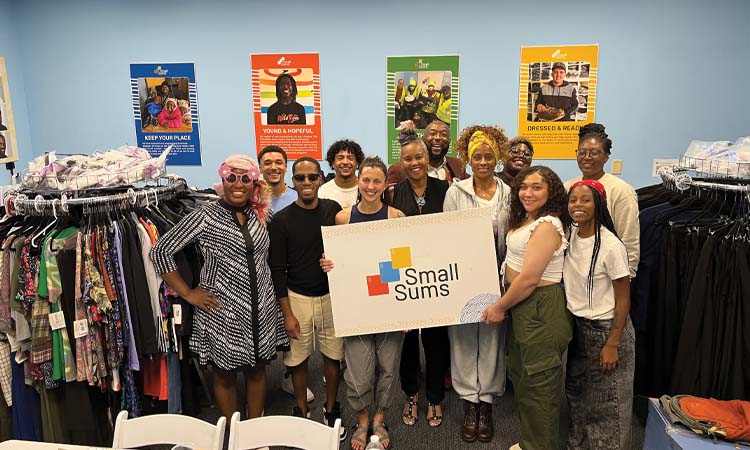
After working in education, Snyder joined Small Sums in January. He and four other staffers help people who lack stable housing acquire the clothes they need, as well as other tools such as bus passes, certification or training, sometimes actual power tools, and other necessities to succeed in new jobs. “There’s no one else [in the Twin Cities] doing what we do,” he says.
To qualify, it’s fairly simple: You explain your housing situation (maybe you’re in a shelter, or moving couch to couch), and you have a job lined up. “The whole idea is personalized, specific goods for a specific job,” he says. (Small Sums still offers an LLC-building service, but it’s “a background thing,” he says.)
The organization has seen mostly consistent year-over-year growth, driven by word-of-mouth referrals and a growing network of more than 100 partnership referral organizations. Last year, he says, only 30% of clients returned for more services. This year, with a budget of about $580,000 (up from 2020’s $450,000), Small Sums expects to serve a record 1,400 clients.
The need is clear. An estimated 9,000 Minnesotans don’t have stable housing on a given night, Snyder says. That figure is an average of two surveys, including one conducted by the Minnesota Interagency Council on Homelessness. “The need out there is certainly greater than what we’re currently filling,” Snyder says. “Every worker we help start a new job is soon less likely to need housing and basic needs support, which relieves a lot of pressure on other programs and services.”
About one-third of Small Sums’ funding comes from grants and corporate sponsors, another third from individual donations, and the rest from fundraising events. Small Sums custom-orders as needed, usually from Walmart or Amazon—although a partnership with another retailer would be nice, Snyder notes. The average support for a client is $400–$500, including staff time.
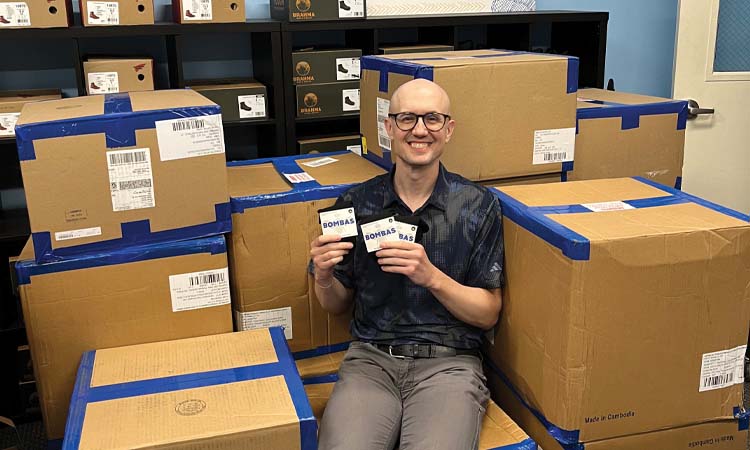
In-kind partnerships help stock the “kindness room,” an inventory of non-slip shoes (for hospital or restaurant work), denim pants, plain T-shirts, hospital/clinic scrubs, underwear, and socks. “We get literally a couple thousand pairs of socks every year” donated by Bombas. “Our Red Wing [Shoes] donation is down in the basement”—hundreds of pairs of steel-toe boots, he says.
The core offering is called Dressed and Ready: two pairs of pants, two shirts, and a pair of shoes. A free bus pass is often included, good for 31 days, which should last until the first paycheck.
Snyder would like to form more earned-income partnerships. He cites one with Repowered, an electronics-recycling operation and job-training site. Many of its new hires are coming out of treatment facilities or escaping violence, and haven’t had an established work record, Snyder says. So Repowered compensates Small Sums for job-related services.
Many nonprofits compete for the same philanthropic dollars. Small Sums reduced its services to four days after it lost some foundation funding support. Snyder would like to return Small Sums to five days of weekly operation.