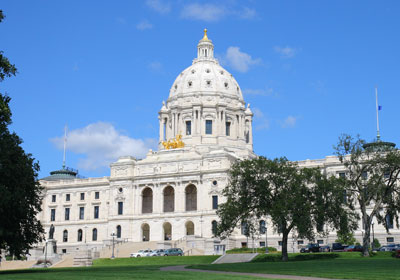
Because Minnesota receives so little federal funding, the direct impact of the sequester here would be limited.
Politics + Public Policy
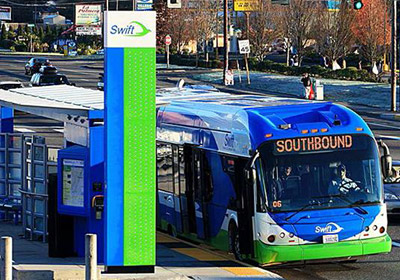
Enhanced buses would operate with pre-boarding payment and access through any door to speed up exit and entry at stops.
A proposed expansion of taxes to business services could cause some local businesses to cut jobs or relocate; meanwhile, a Wisconsin lawmaker is trying to lure disgruntled companies across the border.
Minnesota is behind only five other states in terms of annual tax revenue loss stemming from corporations and wealthy individuals shifting profits offshore.
Minneapolis city politics are heating up for the 2013 election.
GovDelivery has found a niche helping its public sector clients connect with their "customers."
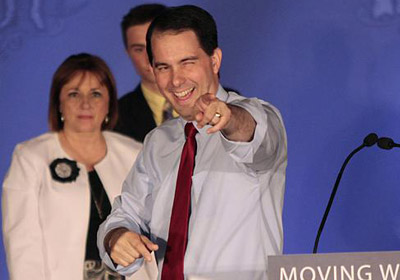
Earlier this month, Wisconsin Governor Scott Walker scored a major victory when a federal appeals court upheld a state law.
SEC rulemaking is needed before last year’s JOBS Act can be fully implemented. Once it is, who will use this new route to capital?
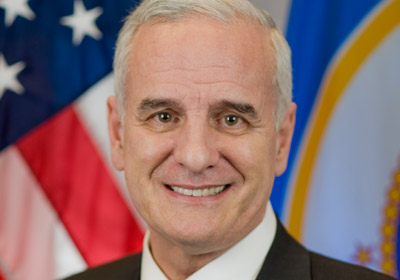
The Minnesota Chamber of Commerce contends that portions of Mark Dayton’s proposed tax reform will have a negative effect on the state’s business climate; some city officials, meanwhile, praised the governor’s investment in local government aid.
The governor’s budget proposal raises taxes on Minnesotans earning $150,000 or more; it also lowers the state sales tax rate while collecting sales taxes for more items.
The Business Roundtable, which counts among its members CEOs who head Minnesota companies, is calling for a gradual increase in both the Social Security retirement age and the Medicare eligibility age.
The Kresge Foundation, led by former McKnight Foundation President Rip Rapson, unveiled a 50-year blueprint for Detroit and pledged $150 million to help revitalize the ailing city.
Members of the Business Roundtable—which includes some CEOs who head Minnesota companies—said they support “a balanced solution to the fiscal cliff and long-term deficit and debt issues,” adding that “no options should be precluded from a potential solution.”
Despite warnings from economists that the “fiscal cliff” could have dire consequences for the U.S. economy, more than half of those who responded to a recent poll indicated that it might be sensible to take the plunge.
A study by the Tax Foundation estimates that a Minnesota household earning $87,319 would pay an estimated $4,382 more in taxes in 2013 than they did in 2011, if Congress is unable to avert the so-called “fiscal cliff.”
Hundreds of lawyers and poll watchers are reportedly stationed throughout the state this election day; meanwhile, some voters have encountered long lines, and the state’s business leaders await the outcome of the election and its impact on their companies.
Portland’s public policies of the past have created a more connected and transit-possible city than Minneapolis.
Small businesses owners in the state who responded to a recent survey said that the economy and jobs are the most critical issues in the upcoming presidential election, while ethics, honesty, and corruption in government are also important when selecting a candidate.