


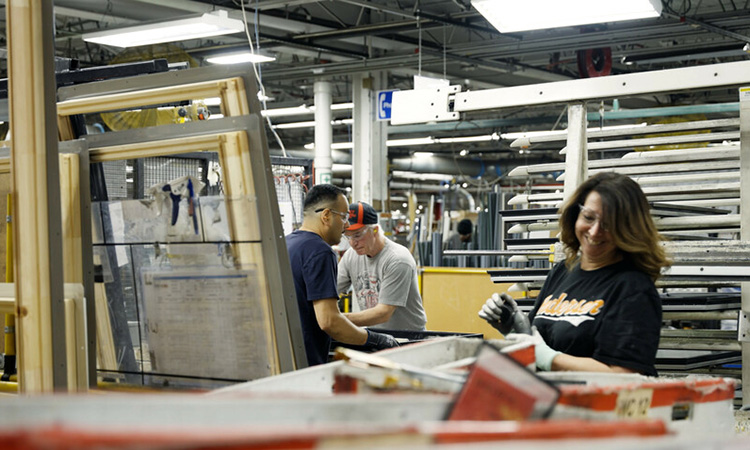
Andersen Corp. Ends 2024 with $50.8M in Profit Sharing
The presidential election dominated the headlines in 2024, but the conscientious work of Andersen Corp. employees is earning headlines as the year draws to a close.
The Bayport, Minnesota-based manufacturer announced Monday that it is rewarding its workforce with $50.8 million in profit sharing. With more than 13,000 employees, Andersen said that it’s paying up to $3,923 to each eligible employee.
That payout is down from 2023 when Andersen awarded a total of $55.4 million in profit sharing, which amounted to up to $4,400 per eligible employee.
The privately held maker of windows and doors was founded in 1903 and has traditions of corporate philanthropy and sharing profits with employees. In 2024, Andersen and its corporate foundation donated more than $5.3 million to nonprofits focused on housing, trades education, hunger, and critical access health care.
“Amid ongoing challenges in the housing market, Andersen continued to grow in 2024,” Chris Galvin, Andersen’s president and CEO, said in a Monday statement. “This accomplishment highlights the unwavering dedication, adaptability, and resilience of our employees.”
Galvin noted the employees embody Andersen’s core values and surpass customer expectations on an ongoing basis. “Our people are the cornerstone of our success, and this profit sharing is a testament to their hard work and unwavering commitment,” Galvin said.
Earlier this year, Habitat for Humanity’s Jimmy and Rosalynn Carter Work Project was conducted on the East Side of St. Paul. Volunteers from numerous workplaces gathered at The Heights redevelopment project to build houses.
Through a combination of in-kind window donations and financial contributions, Andersen donated $1 million to this Habitat for Humanity initiative. The manufacturer donated more than 600 Andersen 100 Series windows. Also, more than 150 Andersen employees volunteered to work on The Heights project.
In early December, the National Association of Home Builders (NAHB) released its findings on the volume and type of home building that’s taking place across the United States.
“More residential construction is occurring in low density suburbs and outlying areas because of several factors that affect housing affordability, including the continued lack of buildable lots, higher home building costs, and an ongoing shortage of construction workers,” the NAHB said in a news release.
“The trend of construction expansion in lower density areas occurred prior to and during the Covid pandemic, as many households chose to move out of areas where population density was highest to take advantage of additional telecommuting flexibility and the ability to purchase larger homes in areas of the country where housing is more affordable,” NAHB chairman Carl Harris said in a Monday statement.
“Regulations and NIMBY policies create significant headwinds for builders to construct affordable housing in urban centers, which has created this shift in residential construction to low density areas,” NAHB chief economist Robert Dietz said in the news release. “Policymakers at all levels of government need to eliminate excessive regulations, ease permitting roadblocks, and promote careers in the skilled trades to allow builders to construct more homes and apartments across the nation.”