

After Sale of Cragun’s Resort, What’s Next for Minnesota Tourism?
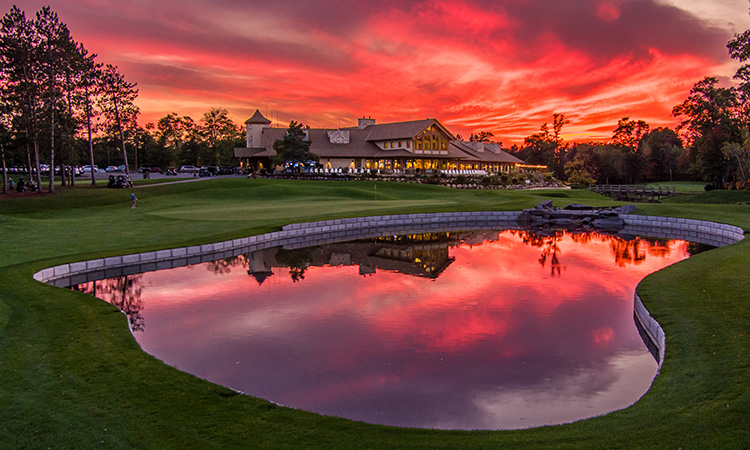
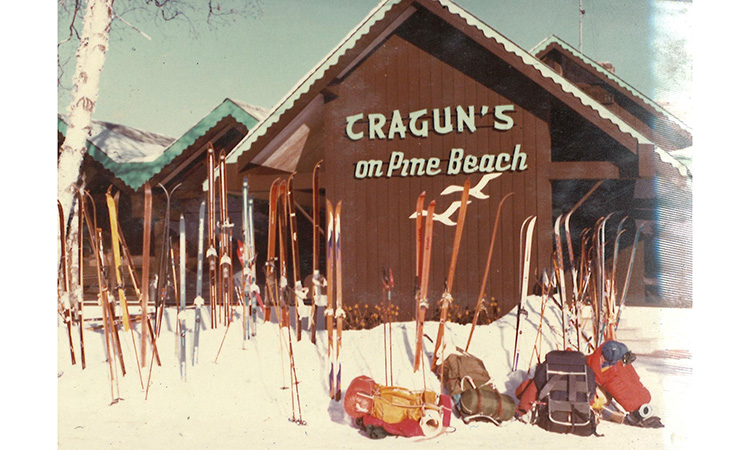
The announcement earlier this month of the sale of Cragun’s Resort inspired an outpouring of nostalgia in the press. The Cragun family has owned the resort on Gull Lake north of Brainerd for 85 years, during which time it has grown from a modest family-run property into one of Minnesota’s biggest and most beloved vacation destinations.
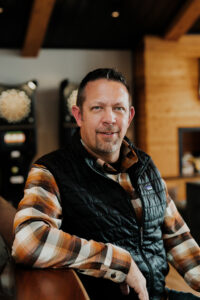
The buyer, Baxter-based Leisure Hotels and Resorts, saw an opportunity to take Cragun’s “into the next generation,” company CEO Jamie Tatge says. “It has golf, it has waterfront, it has conference space—all the features of a great resort.” At the same time, Cragun’s has heritage “and it has color. To get the opportunity to buy a property like this is a big deal.”
It is a big deal. In many ways, the Cragun’s sale reflects what’s been happening to Minnesota’s resort economy in the last five years as an older generation of operators gives way to new owners, economic pressures, and changing guest expectations.
The Cragun’s opportunity
Owner Merrill Cragun Jr., better known as “Dutch,” took over his family’s resort in 1965. Over the years, he and his late wife, Irma, expanded Cragun’s from 12 cabins and 10 rooms to 62 cabins (with accommodations ranging from one to seven bedrooms) and 206 hotel rooms, along with three golf courses and a marina, among other amenities. Between 2022 and 2023, Dutch Cragun oversaw a $25 million remodel and expansion project.
Cragun’s is now one of the largest properties in the portfolio of destinations owned or operated by Leisure Hotels and Resorts after the sale officially closed in early April. The resort company, which is headquartered in nearby Baxter, performs third-party management services for 27 resorts and hotels throughout the Midwest and in other states. Leisure-led investors own seven of the properties in the company’s portfolio.
With the purchase of Cragun’s, that portfolio will include 12 destinations in Minnesota, among them the Quarterdeck Resort (also on Gull Lake) and the Pier B Resort Hotel on Lake Superior in Duluth. In May, the company will open and manage the Shoreline, purportedly the first new hotel to be built on the banks of Lake Minnetonka in more than a century.
Leisure Hotels and Resorts is one of several hospitality management and ownership groups in Minnesota. Most operate chain hotels, but a handful have resorts among their properties. Besides Leisure, they include Duluth-based Odyssey Resorts, which operates independent destinations in Northern Minnesota, and Nisswa-based Cote Hospitality, whose portfolio includes Grand View Lodge on Gull Lake.
Tatge’s firm looks for leisure properties with “strong brands that can sustain themselves,” he says. Cragun’s availability represented an investment opportunity that fit the bill. “We bring the experience and the horsepower to bring new ideas, options, and programs,” Tatge says. His company also has the capital to make those innovations happen.
Tatge bristles at the use of the word “corporate” to describe his company’s business model. “That’s the furthest thing from how we operate,” he says. Instead of forcing each of its properties into a single mold, the resorts his firm acquires or manages “are all independent,” Tatge says. “They have their own brand, their own feel, their own vibe. It’s critical that we don’t bring an overarching corporate structure that takes away from what the product is. We want to add to what’s there and continue the legacy.”
For each property Leisure Hotels and Resorts acquires or manages, “we customize the services and what we provide based on the product that we’re working with,” Tatge says. “We have all the resources of the big firms, but we’re small enough to be creative and to maneuver to make changes and do the things you need to do with an independent operation versus a large franchise or brand.” For instance, one of the ways that Tatge’s company has updated its properties is “a little bit of a redevelopment, where we do vacation rental within the resort,” he says. “That can allow a resort to become nicer, newer, and fresher.”
Old-school resorts in decline
“There are a lot of great products out there,” Tatge says of the state’s outdoor-leisure destinations. “But each year, as the world becomes more expensive, it makes it harder and harder for an owner-operator to be viable.” He adds that in some cases, “the land values are worth more than the business value.” Also, when it comes to owning and running a resort, “let’s face it—this work is hard.” And it’s not work that the next generation always finds appealing.
According to Minnesota Department of Revenue data, the number of family-owned resorts in Minnesota continues to shrink, from more than 3,000 in the 1960s to 646 in 2021. A few of the properties, Cragun’s being an example, have become massive and much less rustic than those old clusters of lake cabins.
Monica Haynes, director of the Bureau of Business and Economic Research and adjunct professor of economics at the University of Minnesota Duluth (UMD), saw many of the changes to the state resort industry beginning to manifest themselves about 10 years ago. That’s when she directed a study of resort properties on Lake Vermilion, a popular destination north of the Iron Range.
“One of the things we heard at that time was that there’d been a difference in family travel preferences,” Haynes says. “A generation ago, families were much more likely to return to the same resort every year. Resorts could rely on those returning customers to maintain their bottom line.” But resort owners on Lake Vermilion were noting that many families weren’t coming back.
Lake Vermilion resort operators also “sensed a decline in interest in some traditional sports such as fishing,” she says. Trying to adapt to those changes can be difficult, “especially if you’re a small resort owner, because you have to be able to make a lot of capital improvements to change your business model.”
The lake country north of Brainerd provides one snapshot of the changing vacation market. Though you can still find smaller places in the area, many of the cozy cabins and lazy lakeside oases have given way to expensive houses and to mega-resorts such as the Grand View (329 rooms), Madden’s (287), Breezy Point (250), and of course Cragun’s. In some parts of Minnesota, bass boats, firepits, and s’mores are competing with swimming pools, championship golf courses, and higher-end dining.
Adapting to the changes
Earlier this year, trade group Hospitality Minnesota published a State of Hospitality Report with data suggesting that Minnesota’s $392 billion hospitality industry is suffering from a metaphorical case of Long Covid. Early in the pandemic period, the state’s hospitality industry boomed as residents eschewed air travel and social-distanced in Minnesota’s great outdoors. But with the virus mostly a memory, travelers are heading to more distant locations. According to Hospitality Minnesota, hotel bed occupancy in the state is 7 percent below 2019’s figure.
UMD’s Haynes cites another challenge for independent resort owner-operators: Airbnb. The online homestay marketplace, she adds, mirrors the market’s changing preferences. For instance, “younger travelers are more likely to want a vacation property where they can have the whole house they can rent out for a whole week,” Haynes says. Not exactly the classic resort style of stay. “All hotels and lodging are struggling with how to adapt to the growing popularity of those kinds of rentals,” she adds.
Haynes believes “a small resort owner can definitely be successful and create an experience that tourists want. It’s not as though they’re doomed. But it requires a lot of adaptability to a changing market.”
Dutch Cragun clearly was able to adapt. So what are his resort’s new ownership’s plans? Tatge says his company will need time to settle in. “Because assets like Cragun’s are so unique, year one is a learning curve,” he says. “We’ll be learning what we like, where we need to invest capital, and learn we can enhance the guest experience.”