



Highlights from StartMN Think Tank 2025




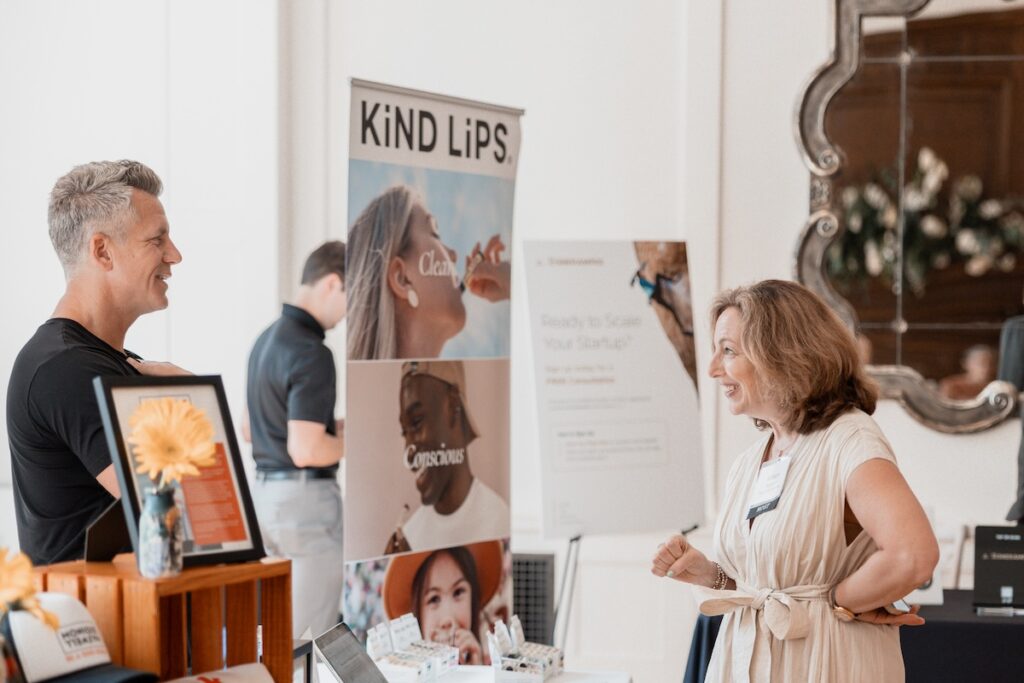


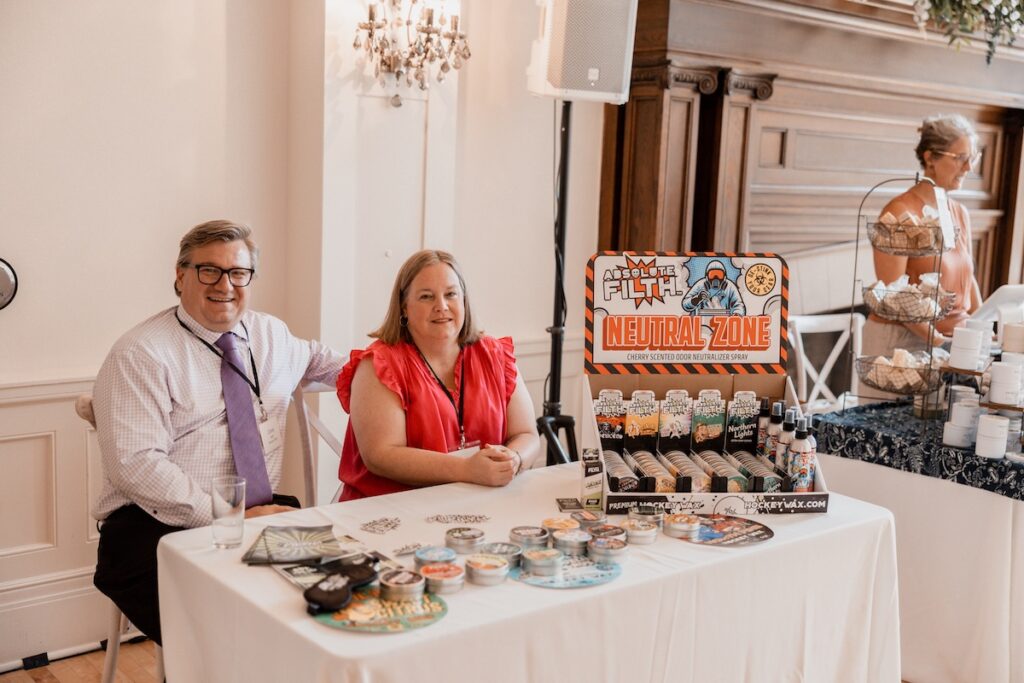
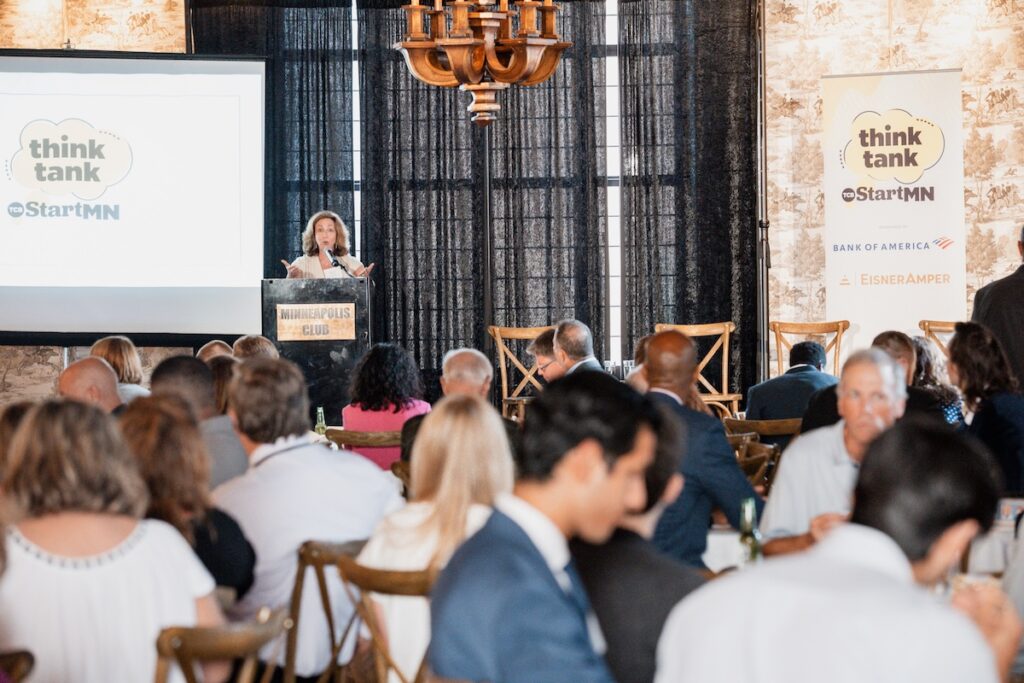
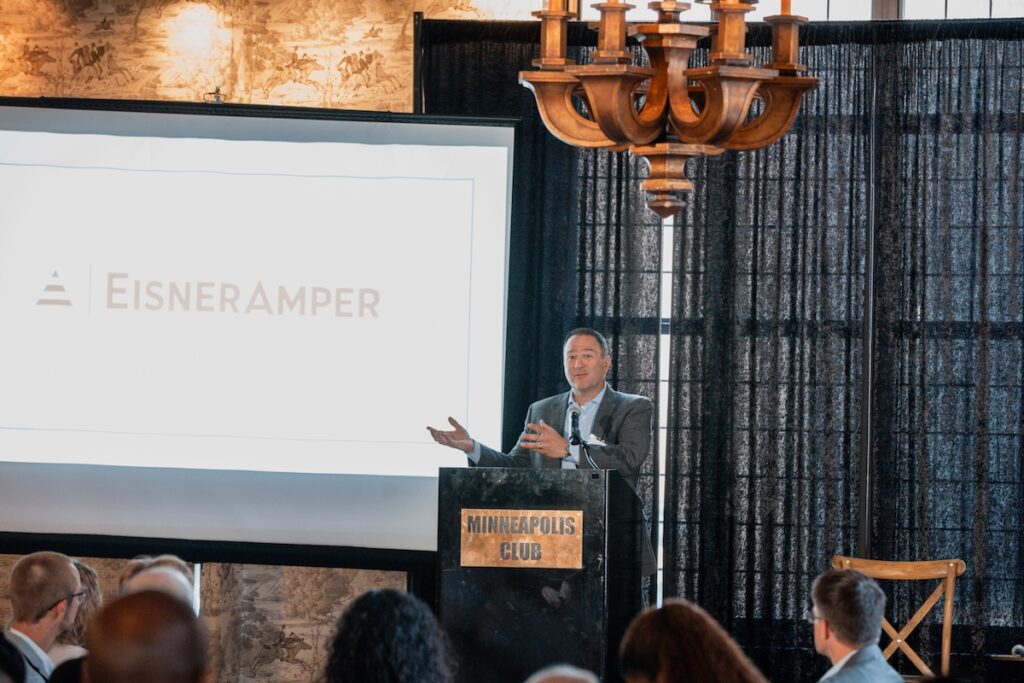


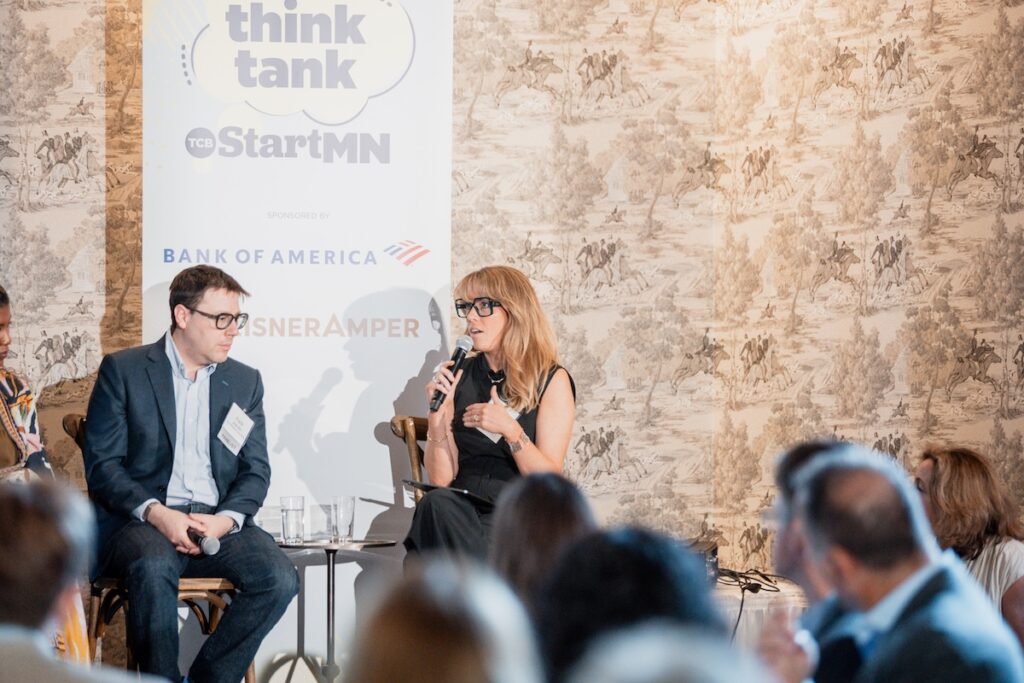

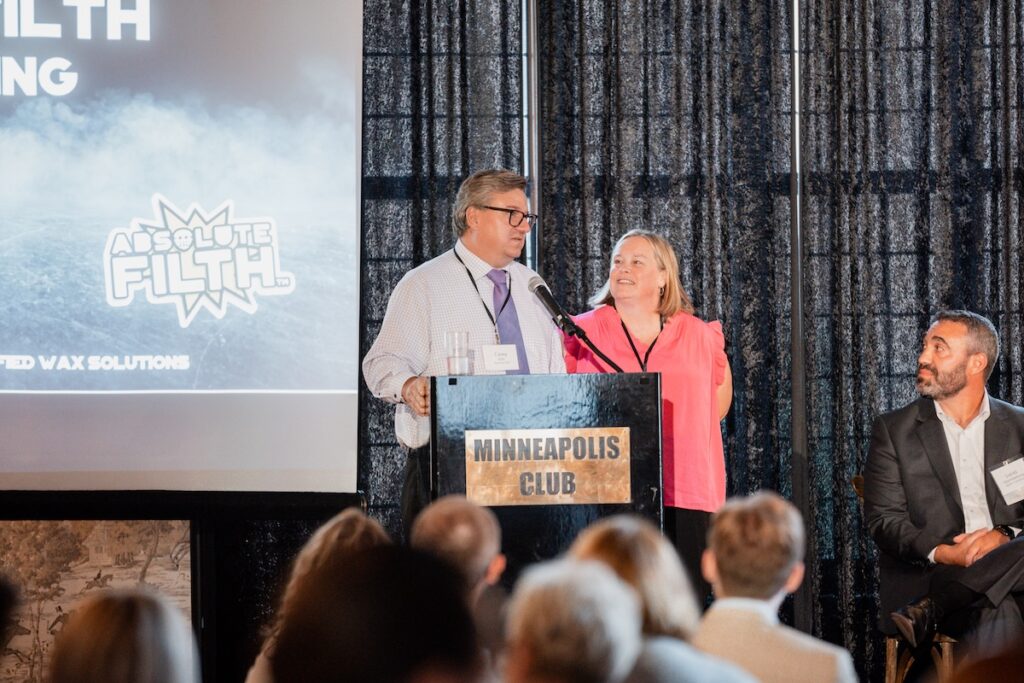




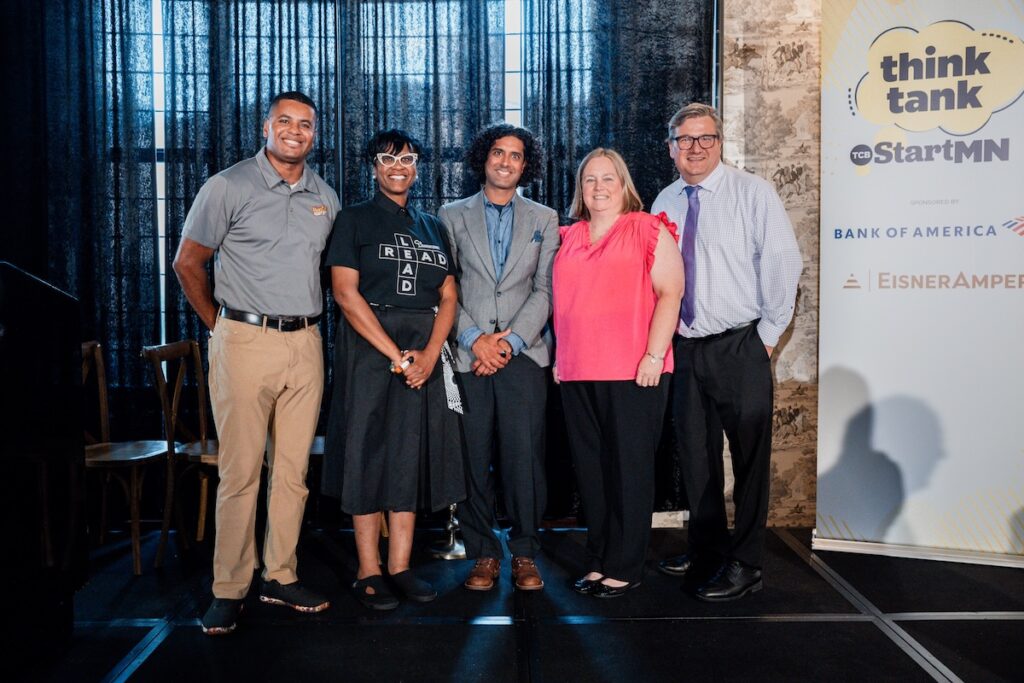
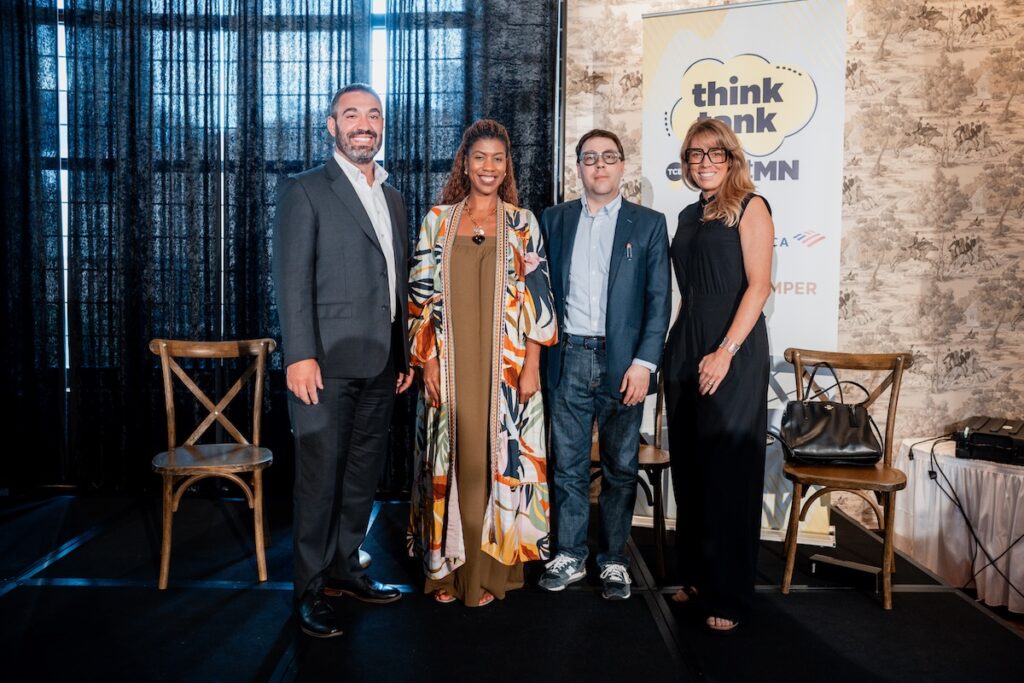
Four early stage startup founders took to the stage at the Minneapolis Club Tuesday for TCB’s second annual StartMN Think Tank event. Voted in by readers, each got the chance to explain their business and seek advice from a panel of experts. The founders’ questions were often specific, relating to marketing approaches, distribution channels but the experts encouraged them to think bigger.
“Who do you want to be when you grow up?” is the question Tundra Ventures managing partner Danielle Steer posed to the founders. She was joined on stage by Frank Jaskulke, vice president of sales and business development for Avio Medtech Consulting; Lucas Giambelluca, president of Bank of America; and Remi Kent, former CMO of 3M and Progressive Insurance.
The featured startups were:
Absolute Filth: A line of eco-friendly hockey wax in scents like coconut and mango, created by hockey mom, Katie Kirt, and her husband Casey Kirt, who say they’ve “endured a lot of bad smells.”
EarRx: An AI-powered telehealth platform that allows parents to receive diagnosis and treatment for their child’s ear infection using a smartphone-compatible otoscope.
Hardcore Peanut Butter Spread: A superfood-enriched, protein-packed, peanut butter currently sold direct to consumer while founder Bryant Williams, a chemical engineer, works on the first-ever allergen-free peanut.
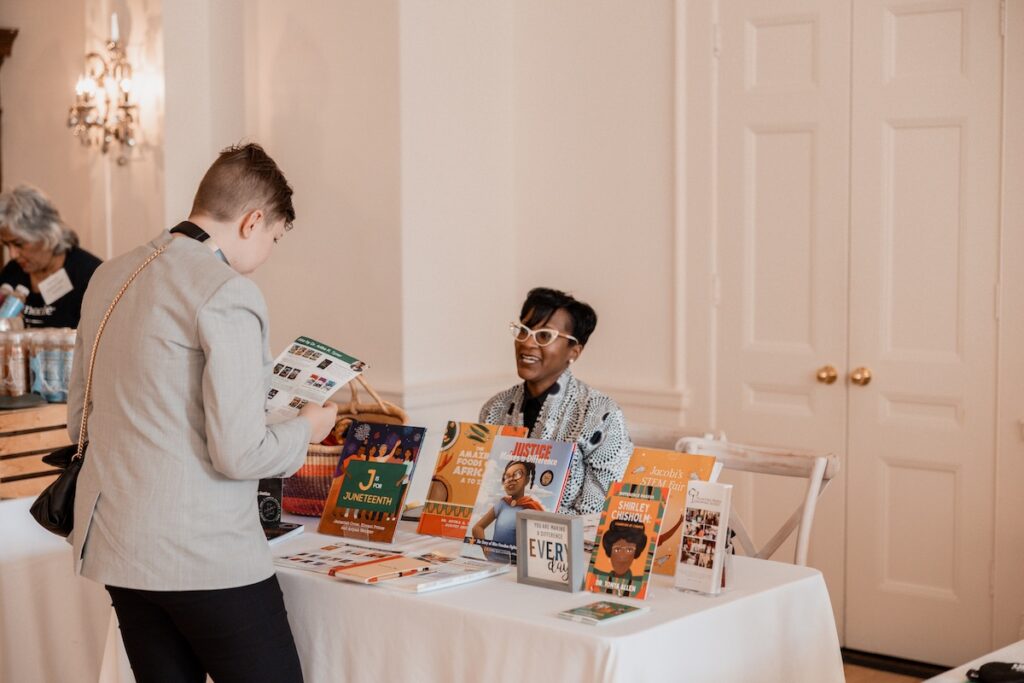
Planting People Growing Justice Press and Bookstore: Founded by civil rights attorney Artika Tyner, PPGJ Books is a mission-driven (for-profit) publishing house and bookstore dedicated to transforming lives through literacy. It produces inclusive, diverse books and nurtures emerging authors through writing competitions and training programs.
Here are selected insights from the event:
Beware the allure of the big-box store.
“Big-box is the shiny penny that everybody loves, and we think we’re going to make lots of money, but there’s a lot of complications that come with big-box,” Kent told the founders of Absolute Filth, now sold in a few hundred Target stores. “In big-box, you probably need to choose the most popular SKUs [stock keeping units, or product varieties] … and be able to sell off the shelf.” She adds, “Your packaging and aim is beautiful … but does it pop?”
Your biggest market may be the one you’ve already tapped.
Jaskulke describes Minnesota, a famous hockey state, as already containing “half the market” for Absolute Filth. “And literally half the world’s market transits through here,” he says. “Every Finnish and Russian player in the world is here at some point.” That means founders Katie and Casey could own this geographic concentration and develop brand loyalty further, even if it’s not on a major scale.
Consider expanding product use to target unseen consumer needs.
EarRx’s smartphone-compatible otoscope is intended to enable parents to diagnose ear infections at home. But Kent wonders if it could do more. She thinks through the process of treating an ear infection. “You diagnose it and get it treated, and then you don’t necessarily know if the medication has actually solved the problem,” she says, “unless you go back to the doctor.” If a child has recurring ear infections, the parent may want at-home technology that can verify treatment success, no return visit needed. Is that functionality possible?
Define your audience and make sure you’re working with, not against, them.
Products similar to EarRx have struggled to find distribution, Jaskulke says. Often, physicians don’t like when at-home care pulls revenue from their practice. This can discourage adoption. But what works is when companies like EarRx are community focused. They find local clinical systems and collaborate. “Nonprofit hospitals and health systems are probably the most competitive organizations in the world,” Jaskulke says, “because they have a very narrowly defined geography that they have to fight over. So, if you give them a way to be more ‘sticky’ with their patients, versus cutting them out”—as in, EarRx would inspire patients to turn to a particular clinic more dependably—“you may be able to accelerate the distribution piece.”
Figure out where you get the most revenue.
Pursue that first. Planting People Growing Justice is mission-driven. But, Steer says, any enterprise needs to make money first. “I always tell entrepreneurs, ‘Your impact is your profits,’” Steer says. “The ability for you to invest the dollars that you’re earning where you want is a huge privilege.” So, figure out where you can source the most revenue, even if this stream does not connect to the “highest-impact” part of your business.
Consider the macroenvironment.
Jaskulke wonders if national anti-DEI sentiment ultimately boosts PPGJ’s purpose. “If, for authors or families who are now being even more attacked, [can] have a place where it’s like, ‘Hey, here’s where I can tell my story, where I can hear other stories and contribute to that better picture’”—maybe this provides a “tailwind.”
Are you in the business of delivering a new product, or a new market category?
The panelists homed in on the no-allergen angle of Hardcore Peanut Butter Spread, achieved through CRISPR gene-editing technology applied to peanuts. They wondered if Williams’ nut-butter idea could encompass much more: peanuts served on airplanes, peanut butter and jelly sandwiches for children with nut allergies. This idea has the potential to bring in a lot more money.
Update: Information about the 2026 Think Tank event can be found at tcbmag.com/events.