


Primal Health Wants to Transform Oral Health
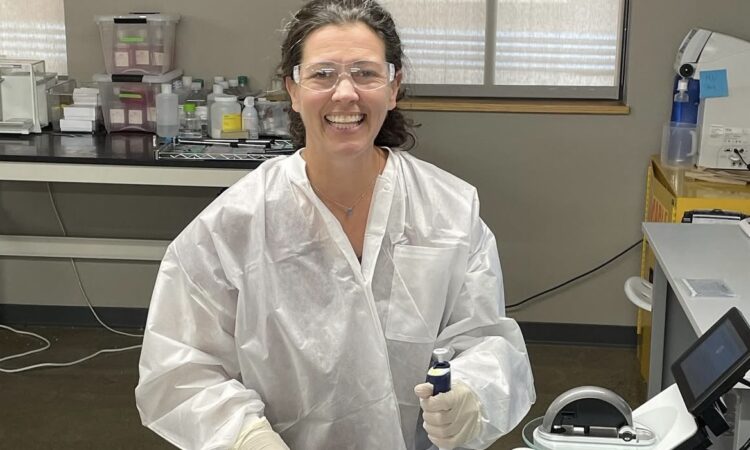
Emily Stein, a microbiologist, was pursuing her post-doctoral fellowship in rheumatology and immunology at Stanford University in 2009 when her grandmother suffered a stroke, which Stein says was the result of a tooth extraction.
Stein traveled to Wisconsin to make sure her grandmother was OK. She also gathered microbes from her grandmother’s mouth. Research indicates there’s an increased risk of a stroke up to four weeks after a tooth extraction, Stein says, as the extraction clears an entryway for microbes to enter the bloodstream.
By collecting the microbes, she wanted to find “ingredients” that could stop oral microbes from causing health problems.
“Every time we swallow, we swallow millions of microbes,” she explains—including bacteria that can be either beneficial or detrimental to health. “In medicine, a veterinarian, an MD, or a dentist [is] trained to kill microbes. In rheumatology”—which is the treatment of diseases affecting joints, muscles, and bones, including autoimmune and inflammatory issues—“you need healthy microbes to keep healthy and balanced, and without that, you wind up with chronic problems.”
Her grandmother’s health scare led Stein to found Primal Therapies in the Bay Area in 2012. Five years later, she relocated to Minneapolis and co-founded a subsidiary, Primal Health, focused on oral health.
Stein says Primal Health aims to upend traditional methods of disease management and prevention by homing in on those mouth microbes. The idea is that recalibrating oral health could have downstream benefits, potentially addressing cardiovascular, diabetic, and metabolic diseases, as well as diseases like Alzheimer’s and Parkinson’s. “We have amassed years of data in the lab, in the field, and in clinical studies,” says Stein.
Enter: Primal Health’s fast-melt dental lozenges. These are consumer products intended to fight dental dysbiosis, which is an imbalance in the mouth’s microbial community and the root cause of gum disease. Primal Health sells two lozenge varieties: Phossident (stylized “pHossident”), formulated to strengthen enamel, and Protektin (“PROtektin”), formulated to accelerate the growth of beneficial microbes for gum health.
Coming in three flavors, the lozenges are meant to work by “re-engineering” the way microbes eat, Stein says. This would happen through Stein’s patented platform technology, SMMRT (Selective Microbial Metabolism Regulation Technology). First, soluble fiber blocks bacteria sugar receptors and plaque-making enzymes, “starving harmful bacteria,” per the website. Then, prebiotics enable protein metabolism by beneficial bacteria, “to allow good bacteria to survive.”
“It’s putting microbes on a keto diet,” Lindsey Campbell, CCO, says. The lozenges are intended to block bacteria’s ability to eat carbohydrates and sugars, switching them to consuming proteins. “So, it’s a nutrient stress that kind of pushes [the microbes] in that direction [of protein]. We’re not necessarily killing them; we’re just switching hobbies.”
Primal Health makes a pet product, too: TEEF for Life’s prebiotic dental powders aim to accomplish the same for animals’ oral health.
Product statements have not yet been evaluated by the Food and Drug Administration, the website notes.
“Initially, dentists avoided the heck out of us,” says Stein. “They thought we were going to put them out of business.” But rather than replacing dental care, the Primal Therapies technology is intended to enhance the benefits.
Regarding the company’s size, Stein says the goal is to keep it “nice and tight” and cost effective (the company currently has six employees). Campbell says that in the previous year, the human and pet dental products experienced 70% year-over-year sales growth.
The business has found success from limited marketing and word of mouth. “A lot of clinicians, especially dentists, hygienists, and veterinarians, are starting to really pick on our technology,” Campbell says.
“We’re teaming up with strategic partners in the long-term care space and the at-home care space,” Stein adds.
While Stein did not disclose names, Primal Health is currently in partnership negotiations. “We have been growing very steadily, organically, for the last two years,” she says, with the company growing about 20% quarter over quarter.
Primal Health sells its products direct-to-customer online (60% of sales), as well as wholesale (40% of sales) to dental offices, veterinary offices, and retail.
“Our customer base—it’s growing quite a bit,” Stein says.