

 What’s this?
Nobody Saves the World Alone
If one person could save the world, I hope they’d have done it by now.
The truth is, lasting change isn’t the work of one superhero. It’s the result of people deciding they can do more together than they could alone.
Collective giving isn’t new. Across cultures, people have always come together to support one another. Black mutual-aid societies built schools and businesses when other systems excluded them. Somali Ayuuto, Latin American tandas, and West African susu all demonstrate how we’re stronger when we give together.
Today, collective giving might look like neighbors gathering to learn about local needs, pooling their resources, and deciding together where to invest. It’s one of philanthropy’s fastest-growing movements, and I get to support it daily through my work at the Minneapolis Foundation.
The Foundation supports giving circles and other collective giving ventures in many ways, from processing grants to facilitating meetings and strategy development.
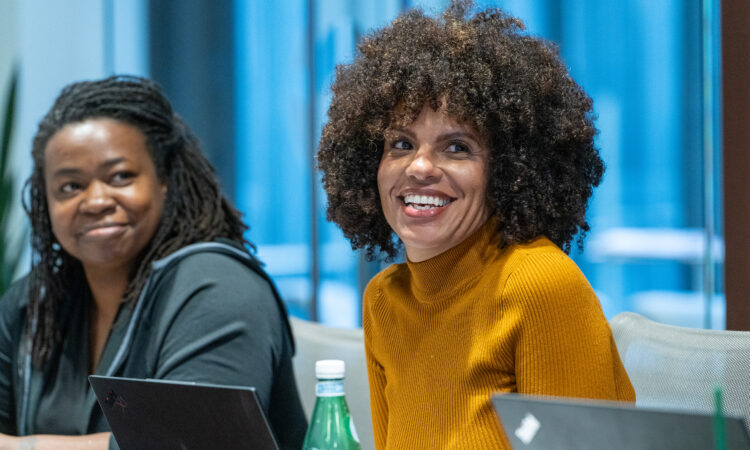
What I love most about collective giving is that anyone can do it. At the Foundation, we host pop-up giving circles where people spend a few hours learning about a local issue, then donate what they can. No one has more influence because they give more. Everyone’s vote counts the same. That changes the conversation. It centers learning and lived experience, creating space for people to share what they see in their own communities.
The Many Faces of Collective Giving
Every giving circle has its own story.
Take the BMPP Giving Circle. This group of Asian American families includes refugees and adoptees whose journeys to America were shaped by the generosity of those who came before them. They’re carrying that tradition forward.
Or consider our RMD Giving Circle, composed of people over 70 who pool gifts from their retirement accounts. On paper, they have little in common with BMPP. In practice, the process is basically the same: They learn, ask hard questions, and make decisions together.
The Ripple Effect
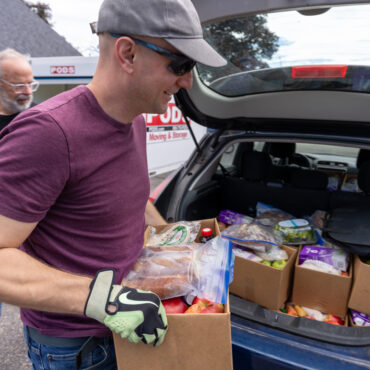
One giving circle, Fourth Generation, focused their latest grants on food insecurity. More than 100 people attended their year-end celebration, including nonprofit leaders, friends, and family.
The impact rippled far beyond the event. One nonprofit director told me the evening led to three new opportunities: A new source of fresh produce, a new volunteer, and an invitation to meet with a group of local CEOs.
None of this would have happened without people coming together around a shared purpose.
The power of collective giving goes far beyond the grants. People build relationships, deepen their understanding of community challenges, and discover how they can help create solutions.
At a time when it’s easy to feel overwhelmed by the challenges around us, collective giving offers a bright spot. Because meaningful change doesn’t require extraordinary wealth or extraordinary people. It starts with people who are willing to show up.