

Mesabi Metallics’ Lawsuit Against Cleveland-Cliffs Will Go to Trial
Mining might be an “old” industry, but there are still plenty of dramatic twists and turns on the Iron Range, which has been in constant flux for decades.
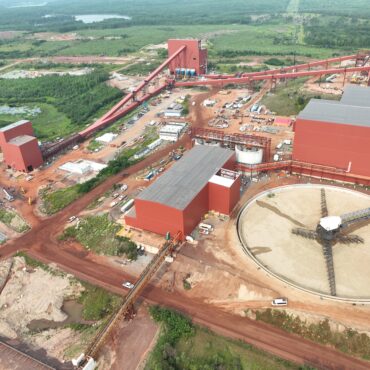
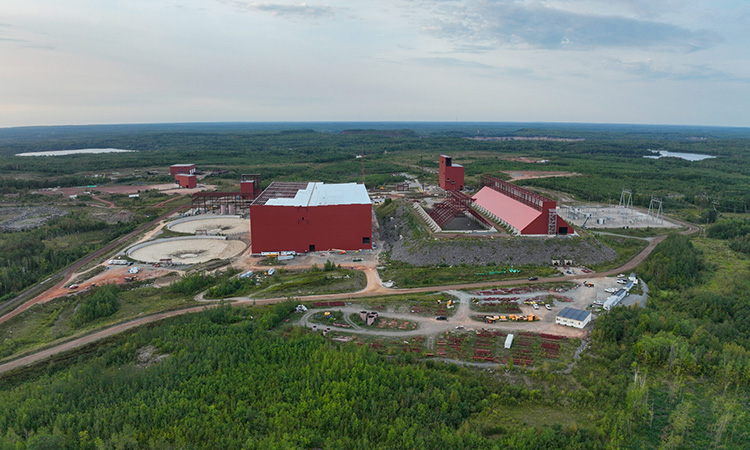
On Wednesday, a new episode launched when the U.S. District Court in Delaware granted a motion by Nashwauk-based Mesabi Metallics to transfer its antitrust case against Ohio-based steel giant Cleveland-Cliffs from civil court to trial court. Mesabi Metallics and Cleveland-Cliffs have been locked in legal battles since 2018. The Nashwauk company’s current suit claims that Cleveland-Cliffs had been trying to stop it from building a new facility combining iron mining and pellet processing on the old Butler Taconite property in Nashwauk. Mesabi Metallics is suing the steelmaker for $1.9 billion.
At the heart of the battle is a newer type of iron feedstock called direct-reduction (DR) pellets. Unlike taconite pellets, which are used for steel production via blast furnaces, DR pellets are “designed” primarily for electric-arc furnaces, a more efficient form of steelmaking. It’s also a growing business: Electric arc furnaces now produce more than 70% of steel made in the U.S.
In 2019, Cleveland-Cliffs, which manages four taconite operations on the Iron Range, completed a $100 million expansion of its Northshore Mining facility in Silver Bay to produce DR-grade pellets. Cleveland-Cliffs sends this DR pellet inventory to its Toledo, Ohio, plant which produces what’s called hot briquetted iron (HBI), a “premium” form of DR iron processed for easier transport and storage.
Mesabi Metallics’ Nashwauk operation also plans to produce DR pellets. The facility has had a long and tortured history. India-based conglomerate Essar Group broke ground on the plant in 2008. Since then, construction has continually stalled, particularly when Essar Steel Minnesota went bankrupt in 2017. In 2022, a reorganized Essar Group regained control of the project, which had been renamed Mesabi Metallics a few years earlier.
Simply stated, Mesabi Metallics is accusing Cliffs of engaging in anticompetitive behavior that slowed its construction and financing efforts. These alleged actions include acquiring mining property near the Nashwauk site (to keep it out of Mesabi’s hands) and pressuring contractors to stop working on the Mesabi project. The U.S. District Court’s motion substantially agrees with a federal Bankruptcy Court decision last September that allowed Mesabi Metallics’ claims to proceed to trial.
There’s a lot at stake. Mesabi Metallics says that it has invested more than $1.8 billion in the Nashwauk mine and plant project, and it will put in an additional $500 million to complete it. The company is “on track to begin operations in the first quarter of 2026,” Mesabi Metallics President and CEO Joe Broking said in a press statement on the recent court decision. The completed facility is projected to produce 7 million tons of DR pellets annually. The company also has expressed a long-term goal of building a steel plant on its property.
There are still potential roadblocks, particularly the complicated legal status of Mesabi Metallics’ mining permits. If its facility finally gets up and running, the company would be operating the third DR plant on the Range. Last May, Pittsburgh-based U.S. Steel began shipping DR-grade pellets from its Keetac plant in Hibbing. According to U.S. Steel, Keetac is gearing up to produce approximately 4 million tons of pellets annually.
The Mesabi Metallics lawsuit is another moment of drama for Cleveland-Cliffs, which has experienced several such moments in recent years. In 2023, for instance, it sought to acquire U.S. Steel, which along with Cliffs and Charlotte-based Nucor produces about half of the steel made in the USA.
U.S. Steel turned down the offer in favor of a bid from Japan’s Nippon Steel. The federal government blocked that deal, and steel industry lawyers have been kept busy ever since. The Trump administration’s proposed tariffs on foreign steel could generate yet another plot twist for Cleveland-Cliffs—and, most likely, the Iron Range.