

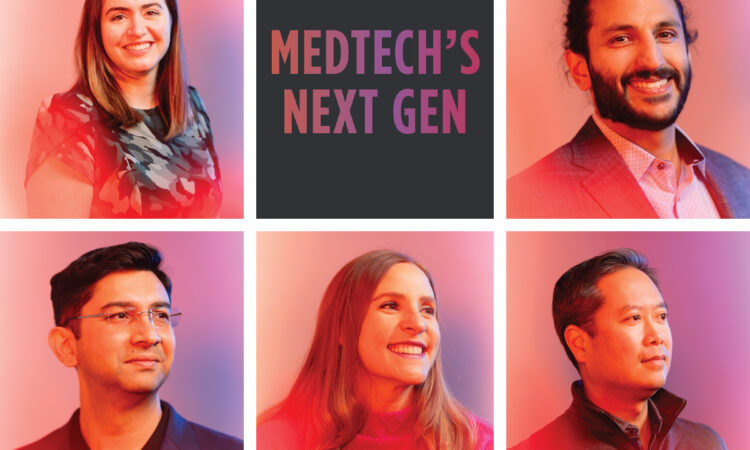
MedTech’s Next Gen
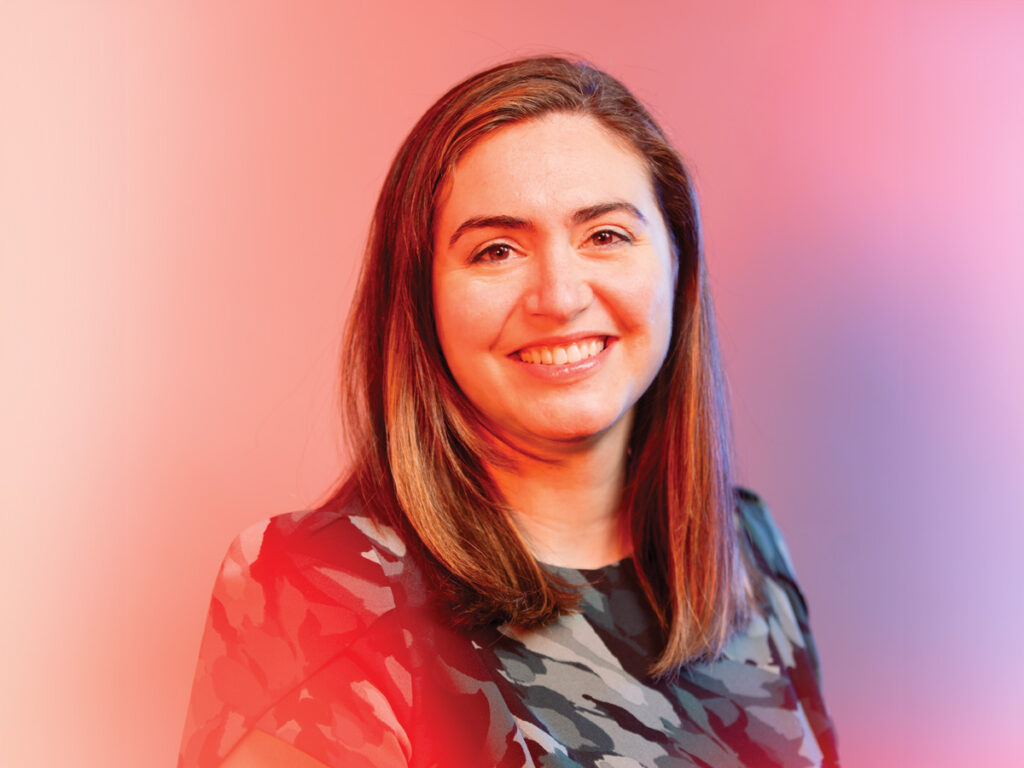
Morgan Evans // Agitated Solutions (ASI)
A “bubble study” is administered after a suspected stroke. A solution containing tiny air bubbles is injected into a vein in the arm, and their path can help determine the likelihood of a future stroke. Currently, that solution is manually generated and requires two operators to perform. Evans’ St. Paul-based ASI is “reimagining bubble studies,” with a device that creates microbubbles for greater efficiency and accuracy. At the same time, Evans, a serial entrepreneur, is scaling Avio Medtech Consulting, which works with early-stage medtech startups.
Mission: “To change the world by bringing revolutionary innovations to market efficiently and effectively.”
One to watch: “One of the companies I co-founded is Moonshot Medical, a medical device incubator here in the Twin Cities. Moonshot has some really revolutionary technology it’s incubating. It’s still in stealth mode, but we’re taking some big swings that could save a lot of lives.”
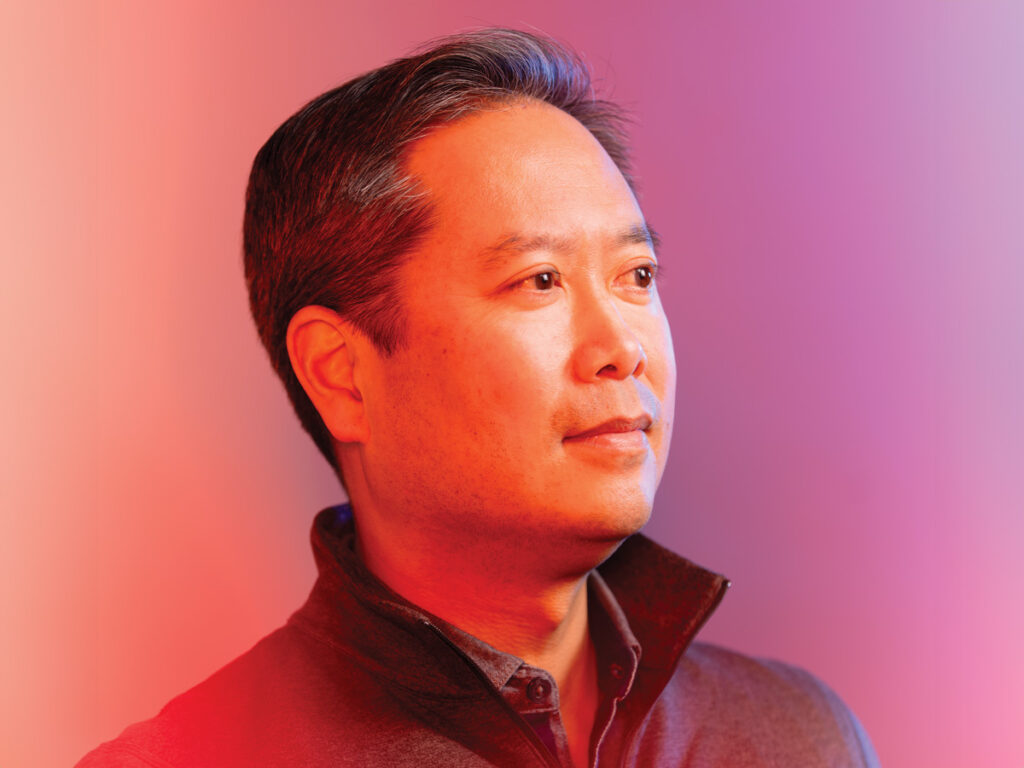
Ping Yeh // Vocxi Health
St. Paul-based Vocxi Health has developed a breath test to detect lung cancer (and other diseases). This innovation is 10 years in the making, involving doctors and researchers at Mayo Clinic and Boston Scientific. A serial medtech entrepreneur and advisor fluent in both science and business, Yeh came on as CEO to help Vocxi get ready to commercialize MyBreathPrint, a mobile breathing device that measures the volatile organic compound pattern of disease in breath for early, non-invasive cancer detection that is more cost-effective than a CT scan. Clinical testing is expected this year.
Mission: A cancer survivor, “I’m paying forward my second opportunity at life to leverage technology to improve the lives of millions.”
Trend: “I’m generally excited about early disease detection or health management, as it will produce large gains on outcomes. It’s a lot easier to keep people healthy.”
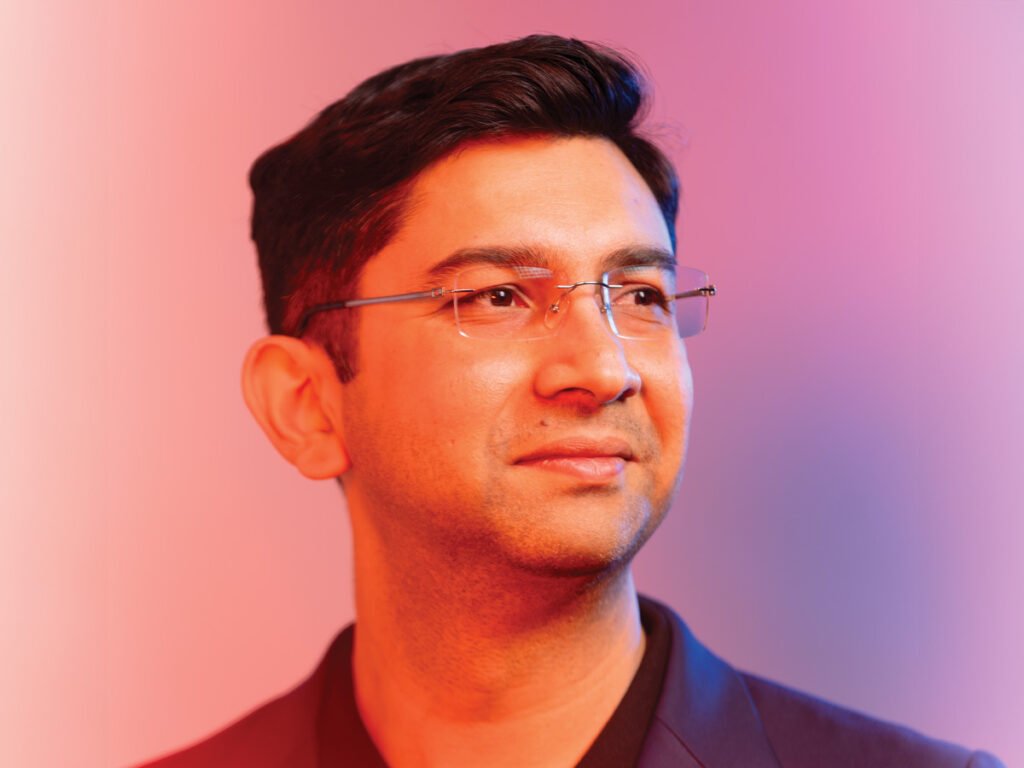
Jayant Parthasarathy // Astrin Biosciences
Contrary to conventional thinking, recent scientific studies have found that cancer cells disseminate into the bloodstream before a tumor is discovered and can lie dormant for years. That revelation, and his father’s cancer diagnosis, propelled Parthasarathy to leave UnitedHealth Group, where he was deputy chief science officer, to work on early cancer detection. Founded in 2021, St. Paul-based Astrin has developed an AI-empowered 3D holographic imaging platform that analyzes
individual blood cells with the goal of earlier detection—before a cancer spreads. A breast cancer trial starts this year. Astrin’s investors include former CEOs and board members from UHG and Labcorp.
Challenge: “Cancer care is the largest block of spending for any payer across the globe, and it’s growing. Early detection saves lives and could significantly reduce the economic and societal burden.”
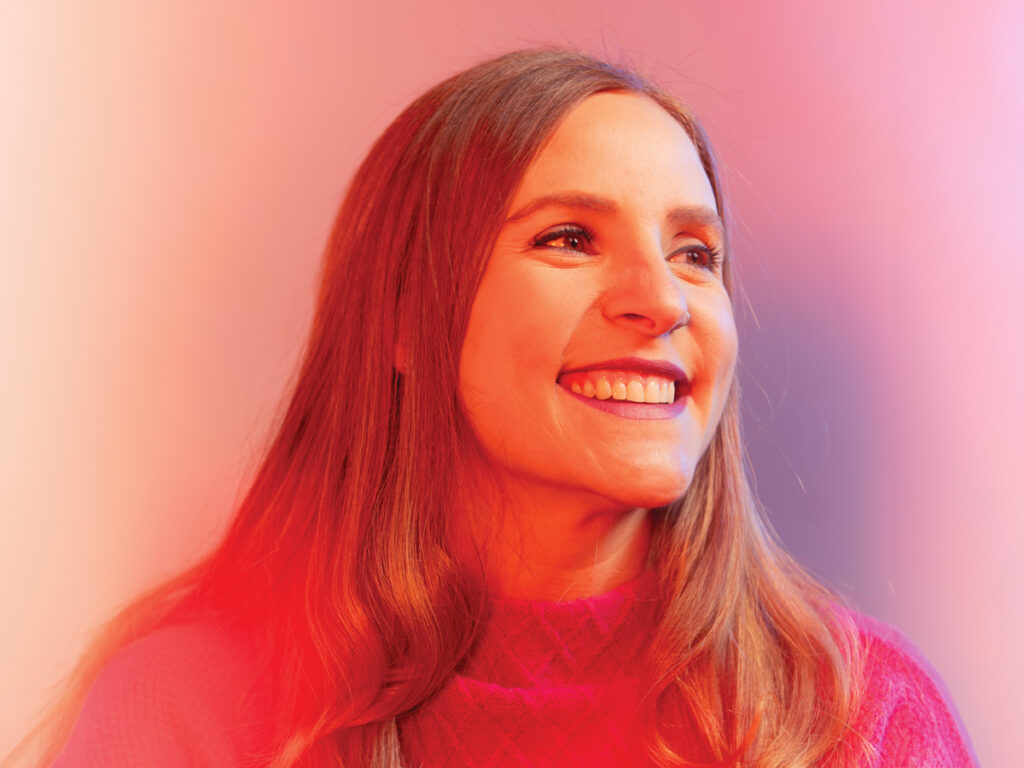
Erin Pash // Ellie Mental Health
A licensed marriage and family therapist, Pash co-founded a practice in Mendota Heights where therapists could earn a steady paycheck but also have the flexibility to set their own hours. One location grew to several, and in 2022, she started franchising. Already, more than 200 Ellie locations are operating around the country and another 400-plus are in development. Ellie’s website matches clients with the right therapist and plan, offering a mix of in-person and telehealth.
Mission: To destigmatize mental health care by building a national brand that is accessible and flexible.
Challenges: “Archaic methods for accessing care, high-deductible health plans, and the debt fear that keeps people from seeking help.”
Trend: “I love the way we are using technology to get faster access to treatment for common conditions, including basic medication screenings for mental health.
Read more from this issue

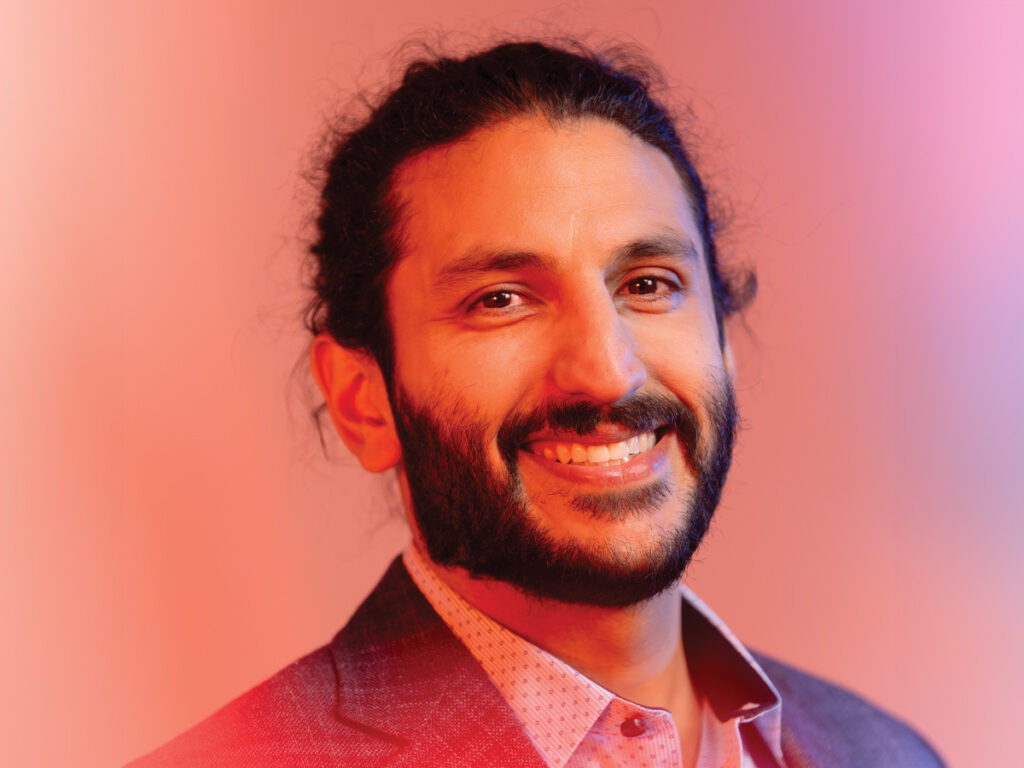
Nima Ahmadi // The Wound Co.
An estimated 13.5 million Americans are dealing with a serious wound—from surgery, disease, an ostomy bag—and often there’s no one coordinating care until the problem becomes a crisis. Ahmadi launched the Wound Co. in 2022 to fill that space, partnering with health care providers to deliver focused patient care through telehealth, AI diagnostics, and in-person care. Early data shows that Wound Co. patients heal 60% faster for a 15 to 20% reduction in cost.
Problem: “Wound care claims total more than $100 billion annually. It is our company’s unapologetic belief that we should be spending half that, and achieve wound care that’s twice as good.”
Opportunity: Ahmadi calls the talent ecosystem in Minnesota “incredible.” But he raised most of his funding in San Francisco. “Big companies need to think smaller, more collaboratively. There are a lot of good companies out there that could participate in solutions.”