

Medical Alley Partners with Bread & Butter Ventures
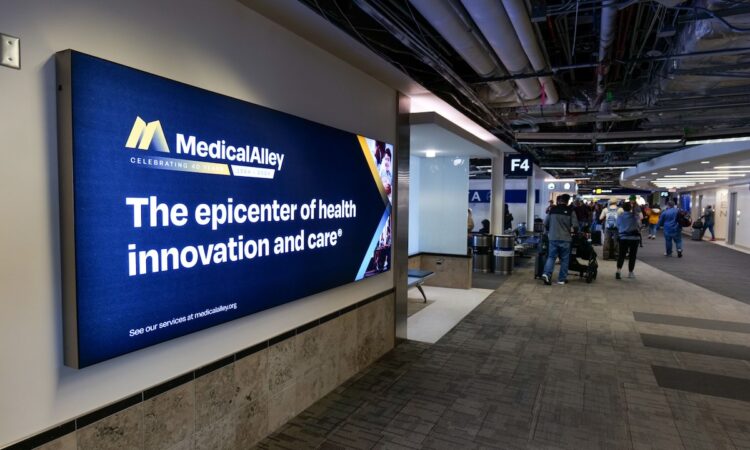
Three years after launching Medical Alley Starts with the intention of growing Minnesota’s health care startup ecosystem, the Medical Alley Association is formalizing its first VC fund partnership, with Minneapolis-based Bread & Butter Ventures.

“We want to go into proactive mode,” said Frank Jaskulke, head of Medical Alley Starts and vice president of innovation for Medical Alley, which represents more than 800 health care industry organizations. “We want more shots on goal, more opportunities for companies to move or expand here. We want to connect our companies to VCs around here.”
Jaskulke and his team were already working with Bread & Butter—the Medical Alley Starts network includes around 250 venture funds. Creating Starts Venture Partners is about driving results, said Mary Grove, managing partner of Bread & Butter Ventures. “How can we accelerate more quickly?”
Medical Alley Starts functions as a front door for health care startups from around the world looking to plug into Minnesota’s extensive health industry network. “We can funnel amazing companies from all over the world through [Minnesota’s] ecosystem,” Jaskulke said. “They might not be based here, but maybe they find a law firm here, or partner with a corporation here.” To date, the program has served 1,300 startups from 46 countries, helping them find partners, suppliers, talent, and investors.
Digital health care is one of three core sectors for Bread & Butter Ventures, which invests around the country while leaning into Minnesota’s strongest industries, like agriculture and food manufacturing, enterprise software, and health tech. The fund has made 13 health-related investments since its 2020 launch, including Minnesota startups River Health, Minneapolis-based subscription health benefits provider offering care for individuals and employers starting at $50 per month; Delfina, a Rochester-based care management platform for pregnancy; and YourPath, a St. Paul-based care delivery and referrals platform for substance use recovery.
The partnership with Medical Alley comes at a time when investment in the health care sector is at a four-year low, following a pandemic surge. In 2021, investors around the world poured more than $29 billion into digital health startups, according to Bread & Butter’s industry tracking. In 2022, funding for digital health startups decreased to $15.3 billion, and then fell again in 2023 to $10.7 billion.

“The pandemic exposed a lot of vulnerabilities in the health care system and thrust ideas like telehealth into the spotlight A lot of generalist funds jumped into digital health,” Grove explained. “Now, a lot of them have left the category.”
That’s why Jaskulke is eager to work more closely with those committed to health care innovation. “Venture funds need to see a high volume of high quality deals to find the great opportunities, and they can use our network to see more great companies. The more we get to know them, we’ll be able to help them find what they’re looking for.” After proving out this approach with Bread & Butter, Jaskulke hopes to bring on another three to five partner funds, and form a corporate partnership as well. “Companies also want to see deal flow for their internal ventures, and for market insights,” he said.
Along with the partnership announcement, Bread & Butter on Wednesday released its 2024 Digital Health Thesis, which outlines five focus areas for its next investments.
- Access to care. The future of health care is outside of a doctor’s office and focused on telehealth, in-home health, and remote patient monitoring, Grove and her partners write.
- Payment models and fintech. Bread & Butter is looking at financing platforms that prioritize value-based care and direct primary care alternatives.
- Labor, workforce and artificial intelligence. Grove said her fund is excited about companies that are leveraging AI and automation to solve issues of burden and burnout.
- Population health. “We want to help unlock solutions tailored to populations left behind by the current system,” Bread & Butter writes. That includes the elderly, those with behavioral health needs, and rural residents.
- Preventative health and wellness. Data fuels consumer choice—think programs that fuel behavior change and disease avoidance.
“Minnesota is a meaningful market to pilot and test,” Grove said of digital health innovations. “A lot of the puzzle pieces come together here.”