

Canadian Regulators OK Agitated Solutions’ Device
St. Paul-based medtech startup Agitated Solutions (ASI) has been given the green light to begin selling its post-stroke diagnostic device in Canada.
Earlier this month, the company announced that it received a medical device license, or MDL, from Canada’s health regulators for the device, which is known as the Orbis Microbubble Generator.
Upon receiving the license, the device immediately entered its first clinical use at the University Health Network Toronto General Hospital, according to a news release .
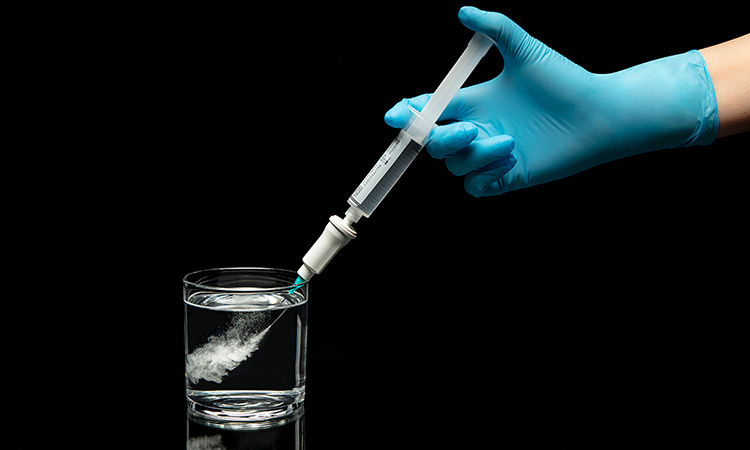
Strokes occur as a result of blocked or reduced blood supply to the brain, preventing oxygen from reaching brain tissue and ultimately killing brain cells in a matter of minutes. Typically, after a suspected stroke, doctors will perform “bubble studies” that administer saline solutions containing small air bubbles into a person’s arm vein, and their path can determine the likelihood of a future stroke.
With the Orbis Microbubble Generator, bubbles travel farther and have a more uniform size to create faster, more accurate diagnoses. And, unlike traditional diagnostic methods, the device requires only one operator.
Micah Eimer, the device’s co-inventor, said Orbis was designed to “automate the bubble creation process, reduce hospital resources in delivering agitated saline, and produce consistent, long-lasting microbubbles for improved visualization.”
“Currently, there is significant variability and inefficiency in cardiac bubble studies,” Eimer said in the news release.
As microbubbles travel through the heart, they detect conditions such as holes in the heart that did not properly close after birth that, in rare cases, can cause blood clots within the brain, inducing a stroke. According to Mayo Clinic, as many as one in four people have holes in their heart, which oftentimes go undiagnosed.
Inefficiencies in stroke detection can cost lives. More than 110,000 Minnesotans reported having a stroke in their life in 2021, with roughly 4% of deaths in Minnesota being a result of them, according to Minnesota Department of Health data.
Hospitals bear the burden of strokes, as well. Procedures, hospitalizations, rehabilitation, and other factors related to strokes cost about $50 billion across the country in 2017 and 2018, according to American Heart Association data.
Orbis is not yet approved for use in the United States.
“Our missions is to improve efficiency and take the guesswork out of what should be simply executed diagnostic procedures,” said Morgan Evans, ASI’s CEO and a medtech serial entrepreneur. “Orbis represents the first step in delivering consistency and streamlining resources for a standard cardiac procedure that necessitates ease and clarity.”