Facing a May 21 deadline, Republicans in control of the House and Senate are scrambling to get several key proposals to the governor’s desk.
Author’s archive
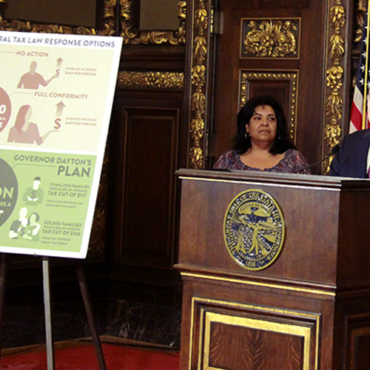
In shaping their plans, DFL Gov. Mark Dayton and Republican leaders have applied their own political philosophies on who should pay more or less, resulting in dramatically different proposals.
The Legislature is exempt from the state’s data practices law, so information about sexual harassment complaints and investigations is not public, and top leaders have been reluctant to release any details.
The motivation behind two bills debated this week at the Legislature is the same: to have some funding for programs if the state government ever shuts down again.
Among other things, some lawmakers want to set up a system that would funnel money into preventive measures — by imposing a fee on the pharmaceutical companies that sell opioids.
Ted Matthews might have the toughest job in the state of Minnesota.
The speech was shorter and more personal than his previous addresses, and he used it to both look back at his time as governor and describe where he sees Minnesota going after he’s gone.
A once-projected shortfall transformed into a $329 million surplus in Wednesday's updated forecast. The problem? Everyone expected that number to be much bigger.
State lawmakers try to find a meaningful way to deal with an issue that has been unaddressed for decades - in a place where relationships are often marked by vast power imbalances.
Taxes, bonding, and the fallout from a sexual harassment scandal are all expected to be addressed during the upcoming session.
The forecast was released at an already complicated time. The relationship between Gov. Mark Dayton and GOP leaders remains rocky, and lawmakers are facing a short session at the start of a major election year.
In going after Amazon's HQ2, Dayton has displayed a level of reticence that is at odds with his long history of courting companies to Minnesota.
Minnesota took action in the months after the collapse. But exactly one decade later, St. Paul is back to gridlock on the infrastructure debate.
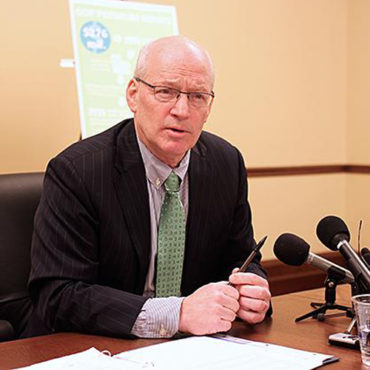
There are several reasons why Minnesota Management and Budget Commissioner Myron Frans is concerned about the state budget. The biggest one: What, exactly, will the federal government do?