


A DEI Expert on the Dismantling of Corporate Diversity Programs
In the wake of President Trump’s assault on diversity, equity, and inclusion initiatives and a wave of corporate policy rollbacks including Target Corp., one Minneapolis-based DEI consultant is imploring her clients to stay the course.
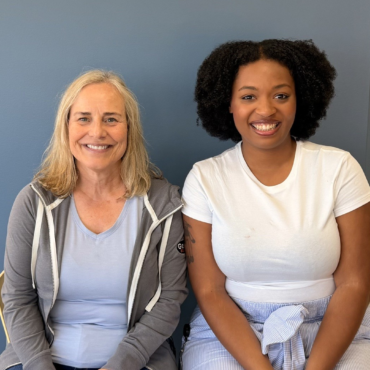
“If we stop this work, it will set us back,” said Seena Hodges, founder and CEO of The Woke Coach, which has consulted with several Fortune 500s on DEI matters. “All the progress will be erased and then some. Employees will see it, and consumers will also see it. Both groups are going to make the choices that work best for them, and if your company is not actively engaged, people are going to know it.”
Management consultancy McKinsey has been tracking business performance in relationship to workforce diversity since 2015 and reports a steady upward trend in financial performance among companies with diverse executive teams. McKinsey’s latest report, from 2023, finds companies with representation of women exceeding 30% are “significantly more likely to financially outperform those with 30% or fewer.” The results were similarly positive for companies with ethnic diversity.
“There is an overarching belief that DEI signifies taking unqualified people and putting them in positions,” Hodges said in an interview this week with TCB. “It’s about recognizing that people have been historically overlooked and not given opportunities to participate in a way that would allow greater inclusion.”
But Trump has called DEI programs “dangerous, demeaning, and immoral.” Among his blitz of executive orders since taking office on Jan. 20 is one that revokes affirmative action requirements for government contractors.
Walmart, McDonald’s, Ford Motor Co. and Lowe’s are among the companies that are scaling back or ending DEI programs. Minneapolis-based Target Corp. joined the sea change last week announcing the conclusion of its three-year DEI goals and an end to external diversity-focused surveys. The retail giant is also changing its “supplier diversity” team to “supplier engagement,” a move said to “to better reflect our inclusive global procurement process across a broad range of suppliers, including increasing our focus on small businesses.”
Twin Cities Pride responded by ousting Target from its annual parade. Sheletta Brundidge—on-air personality and CEO of local podcast company Sheletta Makes Me Laugh, which amplifies Black voices—called on consumers to boycott Target, and other companies that have walked back DEI work.
“The only power I have is my buying power, and Black women have a tremendous amount of power with their dollars,” Brundidge said. Amazon had pledged $10,000 to sponsor the third annual Black Entrepreneurs Day, an event Brundidge will host at the Capitol on Monday, Feb. 3. Brundidge cancelled the sponsorship when Amazon said it too was halting some DEI programs.
“It wasn’t easy to get that money, and I was excited to flex that one of the largest companies in the world was working with me,” Brundidge said. “But these companies can’t roll back their DEI and then think we are going to roll over and let them speak at our events.”
Though it’s hard not to connect the timing of corporate DEI rollbacks to the new presidential administration’s stance, Target maintains that some of these programs have simply reached their pre-planned end date. For instance, Target said that its “Racial Equity Action and Change (REACH) initiatives” were set to conclude in 2025 “as planned.” The retailer has not provided metrics on the outcomes of these programs.
But signs of increased inclusivity have become evident on Target’s shelves in recent years, thanks to a focus on bringing in Black-owned brands like The Lip Bar, Blk & Bold coffee, and hometown entrepreneur Houston White’s clothing collection.
“We know Target has made progress, so this seems strange,” Hodges said.
And for Minnesotans, it feel personal, she added. “We feel like we know Target. And this feels like Target doesn’t care about us anymore.”
Hodges also took issue with Target’s public announcement of its DEI rollback. “Target was one of the largest funders of the arts for a very long time. Ten years ago, they rolled it back and didn’t make a big public announcement about it; they talked to the affected organizations. Companies change policies all the time. To communicate this to people signals something different. This announcement feels really hard and harsh.”
Among her clients, many of which are smaller organizations that are often less scrutinized than a Fortune 50 like Target, Hodges said most are watching and waiting before making any changes. “The work might take a different shape,” Hodges said. “But even if you shift the language, think about the overall health of your organization—your workforce, your affiliates. We need to continue to do this work.”