


Agriculture Groups Target Taxes, Biofuels, and Labor Rules This Legislative Session
Ask a farmer in Minnesota right now what their biggest concern is heading into the spring planting season and you’ll likely hear multiple answers.
There are high input costs for seed and labor. Commodity prices have dropped significantly for corn and soy since peaking earlier this decade. Congress hasn’t passed a new Farm bill—the five-year, omnibus package of legislation that dictates farm and nutrition policy—in nearly a decade. Farmers also face challenges to hire seasonal workers. And then there’s the unusual problem of excess corn (due to storage shortages and record-high production).
All these issues won’t be solved this year, but agriculture leaders are sure going to try. They’re advocating to solve these problems by posting online, sending emails to Minnesotans, and showing up to speak with legislators at the Minnesota State Capitol since the legislative session began on Feb. 17.
It’s not a budget year, which generally means policy bills receive more focus from the state government. That’s great news for farmers. From tax credits and disaster relief to biofuels and workplace mandates, here are the legislative priorities I am hearing about from major agriculture groups as the 2026 legislative session gets rolling.
Tax Credits, Homesteads, and Beginning Farmers
Dan Glessing, president of the Minnesota Farm Bureau, says reviving and expanding the state’s Beginning Farmer Tax Credit is top of mind.
It provides established farmers with tax credits when they offer to rent or sell their farmland, equipment, or livestock to beginning farmers. The program has been capped at 8-12% of the sale price (around $32,000 per applicant), Glessing says, and the Farm Bureau wants that lifted.
“It’s a way to help with that transition and keep more people in agriculture,” Glessing says, noting a proposal during the 2025 legislative session cleared the Senate but didn’t make it through the House.
The group is pushing for another policy that surfaced last year: a homestead property tax exemption. Essentially, farmers would be allowed to retain a tax exemption if they leave their land for an adjacent county.
Biofuels and Addressing the Corn Problem
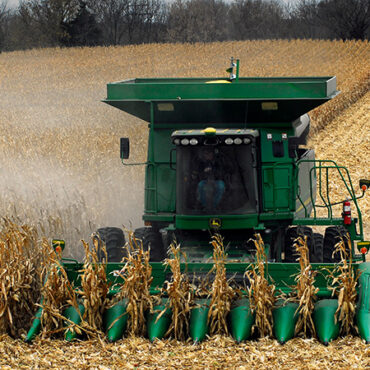
The price of corn has dropped by nearly half over the past three years, which doesn’t help when producers are growing the crop at a record-high rate. Is that an issue that should be solved nationally or at the state level?
Well, Minnesota is helping to address the issue by expanding its role in the fuel industry, offering year-round E-15. Today, the state is one of only a few that can sell the blend (15% ethanol and 85% gasoline) year-round, while the rest of the country is restricted to non-summer months.
Expanding consumer access to mid-level blends benefits corn farmers by boosting demand while also lowering fuel costs for drivers, says Amanda Bilek, senior public policy director for the Minnesota Corn Growers Association (MCGA).
The MCGA is part of a multi-sector coalition seeking to expand production of sustainable aviation fuel (SAF), which is made from renewable waste and oils that could reduce greenhouse gas emissions by up to 80%, according to the National Business Aviation Association. Lawmakers passed a tax credit in 2023 aimed at encouraging SAF production, and Bilek wants to see additional state support to capitalize on in-state facilities, partnerships with environmental groups, and the Minneapolis-Saint Paul International (MSP) Airport.

With major carriers like Delta operating out of MSP, “Minnesota has an opportunity to lead,” adds Darin Johnson, the president of the Minnesota Soybean Growers Association. For soybean farmers, renewable fuels also create value from soybean crush byproducts (edible oil and biodiesel), while the protein portion continues feeding farmers’ animals.
SAF is still a work in progress and has yet to be heavily implemented at airports due to its higher cost compared to conventional jet fuel. Bilek adds corn can’t be the only product to meet demand for SAF. Other feedstocks like soybeans and camelina—which is being researched at the University of Minnesota—will be necessary to help airlines meet their climate goals.
Working Around Minnesota’s Paid Family and Medical Leave Law
Gov. Tim Walz signed Minnesota’s Paid Family and Medical Leave into law back during the 2023 legislative session, and it went into effect on Jan. 1, 2026.
The law provides nearly all employees with up to 12 weeks of paid medical leave and up to 12 weeks of paid family leave (maximum 20 weeks total per year), and is funded by a 0.88% payroll tax split between employers and employees.
It’s a tricky policy for farmers to navigate, Johnson tells me, because “on a farm with two to four employees, losing one worker for several months can be disruptive.” Seasonal labor adds further complexity since farmers must determine how to provide benefits to their workers who are on payroll for only part of the year.
Because of that, several groups I spoke with, including the Minnesota State Cattlemen’s Association, are supporting a potential exemption for businesses (in other words, farms) with 10 or fewer employees. They acknowledge discussions are ongoing.
Disaster Relief and Renewing Mediation Protections
In the 1980s, the state government implemented the Farmer-Lender Mediation Act, which requires a chance for mediation before a bank can foreclose on a farm. While foreclosure can still proceed if no agreement is reached, mediation is meant to provide breathing room.
The number of requests for mediation has at least doubled in the past year compared to the few years before, says Gary Wertish, the Minnesota Farmers Union president. Extending and strengthening the program, he argues, would provide “more safety. We need more farms, not less.”
Wertish is also advocating for disaster relief funding and expanded access to low-interest loans, structured in partnership with local banks. He says lawmakers need to authorize sufficient bonding to make that relief viable.
Whether state legislators will take up any of these agriculture leaders’ priorities at the Capitol remains to be seen. But what appears certain is that these farmers will have a seat at the table in St. Paul this year.