

Farm Labor Uncertainty Grows as Federal Agents Withdraw from Minnesota
It has now been over a week since the Trump Administration announced it was ending Operation Metro Surge in Minnesota, leading to the withdrawal of more than 3,000 federal agents from the state.
The federal government says federal agents arrested around 4,000 people in Minnesota since the beginning of the operation. But agents also shot three people, killing two (Renee Good and Alex Pretti). In the past few weeks, the FBI has blocked the Minnesota Bureau of Criminal Apprehension (BCA) from accessing evidence in the killings.
The economic impact Operation Metro Surge had on the city of Minneapolis became clear last week. Mayor Jacob Frey says the city experienced at least $203.1 million in losses to the economy, community livelihoods, neighbors’ mental health, and to food and shelter security.
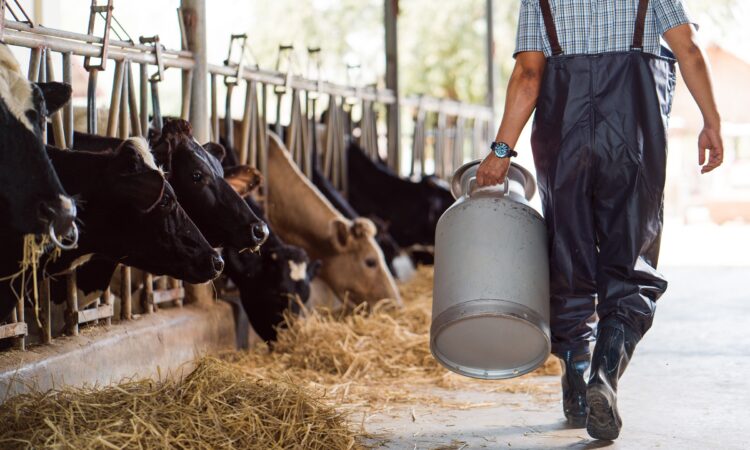
Other industries in our state’s economy continue to assess how ICE’s operations have impacted them. For the agriculture industry, there’s concern farm workers may be too fearful to return to work for the upcoming planting season.
“I’ve heard of raids on farms,” says Thom Petersen, the commissioner of the Minnesota Department of Agriculture. “Those seem to have come in recent weeks just before the drawdown of agents. Anecdotally, I’ve heard of less than 10 instances of raids on farms.”
Farmers have told Dan Glessing, president of the Minnesota Farm Bureau, most of their workers are not fearful of potential, future immigration raids. Those growers have asked their workers “over the past three years to always carry their identification papers with them,” he adds.
About 10% of farm workers in Minnesota were foreign-born in 2024, according to data from the U.S. Census. Nationally, that number is much higher at 23.3%. The Minnesota Department of Employment & Economic Development (DEED) adds this data would not reflect the migrant seasonal labor force, which is higher.
Certain Farms Rely on Immigrant Labor More Than Others
The agriculture industry is currently grappling with an overall labor crisis. The USDA projects farmers are facing a shortage of over 100,000 workers. This has led to unharvested crops and financial losses.
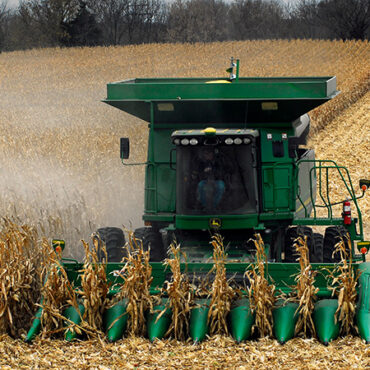
There are several farm sectors that will and have been impacted because of labor concerns. Large-scale fruit and vegetable growers, nursery and greenhouse industries, dairy producers, and grain farmers may find it more difficult to get workers on their land, Petersen explains. Labor challenges may be even more apparent in the spring during planting season, and in the fall during harvest season.
The meat processing industry is also watching the effect ICE’s enforcement has had on Minnesota farms. About 40% of the state’s workers in that industry are foreign-born employees, according to Minnesota Farmers Union president Gary Wertish.
However, he adds that “if workers already have a good relationship with their laborer, then they’ll still come up here to work. But if not, they’ll have second thoughts.”
RELATED: What Big MN Businesses Could Have Said About Aggressive ICE Actions
In the past two weeks, multiple farmers have told other media outlets they believe some farms won’t be able to survive the year due to labor concerns and workers’ fear of immigration raids. State agriculture leaders offer a differing perspective.
“[That statement] is a stretch,” Glessing tells me. “If farms don’t survive moving forward, it would be because the farming industry has been in a depressed economic state the past three years. Especially with increasing input costs.”
Petersen adds, “Unfortunately, labor shortages are not a new challenge for farmers. However, farmers are resilient and resourceful. They’ll need to rely on those two qualities to weather this latest issue.”
Moving forward, Petersen and Wertish believe some workers may start looking outside of Minnesota for work, for a state “less active” in terms of immigration enforcement.
What Should Consumers Expect?
Certain foods may not get planted or harvested this year if farmers aren’t able to employ enough workers. That will affect all consumers in the marketplace when they go to buy their groceries. And we’ve already seen an impact to consumers in some parts of the state with closures of cultural grocery stores and food co-ops.
“People were afraid to open their doors and become a target of federal agents,” Petersen says. “I’ve also heard of processing plants needing to scale back production or eliminate a third shift because workers were afraid to show up. This is a major concern to our food system, which often operates in a just-in-time process. We know the processing date for a pig born today. Any disruptions along that production stream cause a ripple effect. We saw the impact at the grocery store in 2020 with Covid-19. There’s a concern that could happen again.”