

Ballpark Rock: How (and Why) Target Field Hosts Concerts
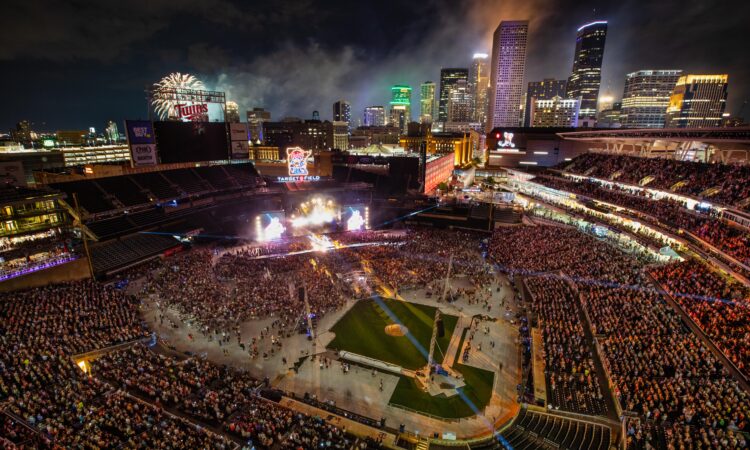
Last week, the Twins announced a slate of summer concerts at Target Field, to add to the list of 30 shows the ballpark has hosted since 2014. This year’s big gigs include concerts by Noah Kahan, My Chemical Romance, Tim McGraw, and a three-game set hosted by the Savannah Bananas novelty baseball team (which will likely outdraw any single Twins three-game series this season).
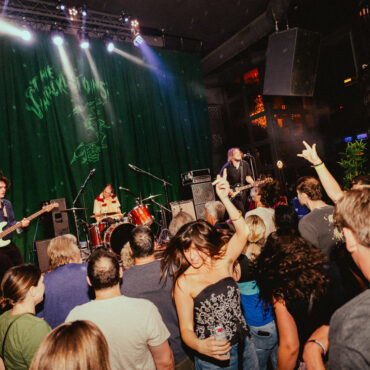
The Twins view the ballpark as a community asset, good for more than their 81 home games, hosting private events in the ballpark’s premium spaces as well as concerts on the field. And they don’t mind the revenue 40,000 music fans bring to the ballpark. (P!nk’s 2023 tour was the all-time record setter, attracting over 44,000, while the low-water mark was in 2014, when Thao & the Get Down Stay Down, Dosh, S. Carey, the New Pornographers, and Andrew Bird drew slightly under 3,000.)
The process of setting a concert schedule belongs to Twins senior advisor Laura Day and VP of ballpark operations Dave Horsman, and it begins the previous autumn. “I send out our avails to all the national promoters,” explains Day, who negotiates the concert deals. Major League Baseball typically releases its schedule in August of the previous season. This timing allows promoters looking for ballpark venues to build tour calendars within the vicissitudes of the MLB schedule—Noah Kahan would be an example of an artist using primarily ballparks. Teams are on the road for roughly half of the six-month season.
But not every off day can host a concert. April and May are dodgy, weather-wise, and big acts tend to focus on mid-summer. (Each of the 2026 concerts is in August.) The months of May, June, and September had just one show each out of the ballpark’s 30 previous shows, with none in April. The ballpark typically needs a 7- or 10-day road trip to accommodate a concert. “It’s typically two days to build the stage, a day each for production load-in and load-out,” says Horsman, “and a couple days to repair the field.”
How is the grass surface not entirely destroyed with thousands of music fans trampling it and spilling beer? It’s due to panels of Terraplas, which the ballpark lays down before fans arrive to disperse weight and allow the grass to breathe, though Horsman says stage footings do typically destroy sod underneath.
Not every show is right for the ballpark. Acts like Beyoncé and U2 play football stadiums because their stages are too heavy and would destroy the heating system under Target Field’s grass. Target Field’s sound system is not used for music acts, who arrive with their own audio setup. So if you’re unhappy with the sound, blame the band.
Day, who is still looking at concert possibilities for summer, says she keeps an eye on the music industry and up-and-coming acts. “We’re evaluating demographics, having breaks to sell food, and potential alcohol sales,” she says.
In addition to concerts, Target Field has hosted the NHL’s Winter Classic, college football games, and a Minnesota United match in the team’s early years.