

Cargill Gives U of M $2.5M to Study New Oilseed Crops
Wayzata-based agribusiness giant Cargill is giving the University of Minnesota $2.5 million to study a pair of crops that could become transportation fuels of the future.
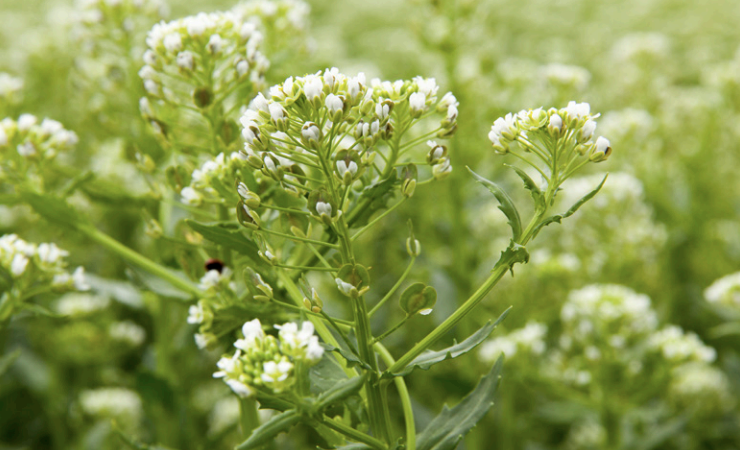
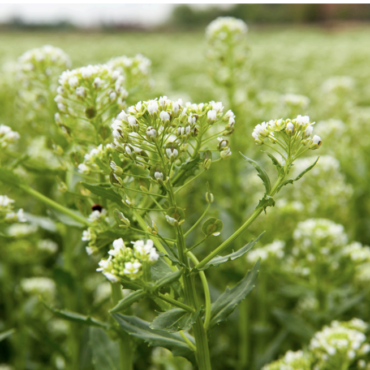
On Monday, the U of M said it will use the funds to research two novel oilseed crops known as winter camelina and domesticated winter pennycress. Oil from these two plants could be used to develop “low-carbon transportation fuels” and provide new revenue streams for farmers, U of M officials said in a press release issued Monday.
The university said that the two crops’ oil could be used as a “drop-in replacement” for jet fuel and diesel. It could be used as food or animal feed, too.
Cargill’s donation is specifically going to the U’s “Forever Green Initiative,” a program designed to identify and grow new forms of food, feed, and biomaterials. Don Wyse, a professor in the agronomy and plant genetics department, co-founded the initiative in 2012; it earned a nod from the New York Times a decade later.
The Forever Green Initiative is now studying a portfolio of more than 15 perennial and winter-annual crops. The larger aim is to get farmers to cover their soil with living plants on a year-round basis, a strategy referred to as “continuous living cover.” Proponents say it could help reduce soil erosion and nitrogen loss from farmland.
“Cargill is committed to building a more sustainable food and agriculture system, and part of our approach is helping make regenerative agriculture practices commonplace,” said Lyle DePauw, crop innovation director for Cargill. “Winter camelina and domesticated pennycress have the potential to address key sustainability challenges in agricultural supply chains, including water quality concerns and demand for low-carbon fuel feedstocks.”
Cargill’s donation will help support research over a five-year basis. The U of M plans to share results publicly.