

Meet Evolving Needs of Immigrants: Neighborhood House
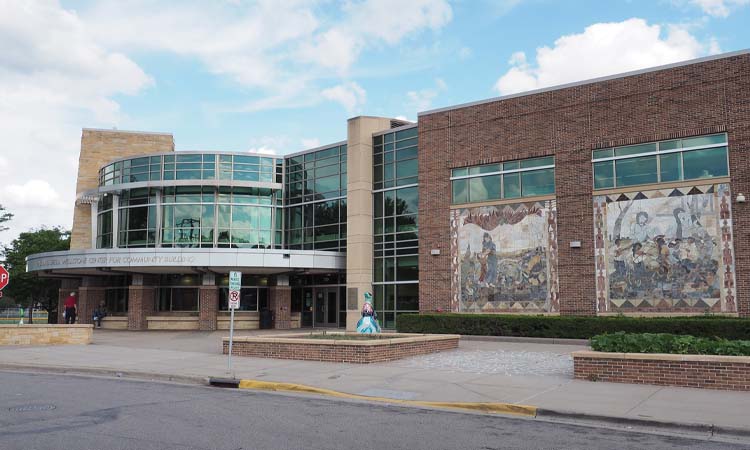
Located on the West Side of St. Paul, the nonprofit Neighborhood House has been a welcoming organization for 129 years. Founded by women from Mount Zion Temple as a settlement house for Jewish refugees fleeing persecution in Russia, the nonprofit has remained a consistent and agile community resource for immigrants, refugees, and people in transition or crisis.
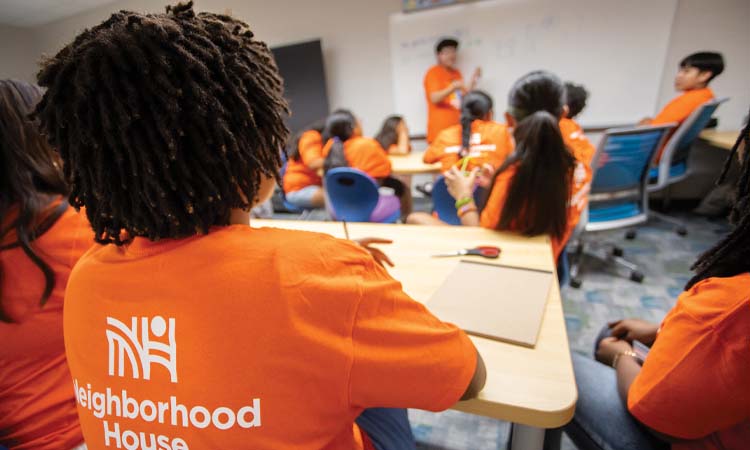
Today, it’s a full-service hub, which includes assistance for food, housing, and other basic needs. It also helps people build the skills to thrive by offering education, family coaching, and youth programming initiatives.
President and CEO Janet Gracia says the nonprofit takes a holistic approach to serving local communities by providing wraparound services that aim to address root causes of economic insecurity. Someone seeking food assistance from Neighborhood House, for example, might share a household with people who would benefit from other programs, she says.
The organization’s work is also trauma-informed, prioritizing the trust and safety of each person who walks through its doors. “We make sure that people feel comfortable and seen. We want them to feel dignified when they leave,” Gracia says. Neighborhood House takes a person-centered approach to support.
That philosophy guided the organization when U.S. Immigration and Customs Enforcement (ICE) and Customs and Border Protection (CBP) officers arrived en masse in Minnesota this past winter.
At the beginning of Operation Metro Surge, families who had enrolled in Neighborhood House’s preschool program started to pull their children out of school because they were afraid to leave their homes. In response, the organization began observer training sessions for its staff members so they could help protect vulnerable families.
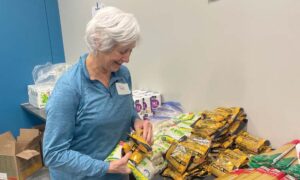
“But very quickly we realized that we needed to shift into rapid response work to get the basic needs to people in their homes,” Gracia says. Starting with its preschool staff, Neighborhood House repositioned its entire team to staff response efforts, making weekly deliveries of food, toiletries, baby formula and diapers, and other necessities to families affected by the surge.
Heightened anxieties among immigrant communities led Neighborhood House to adapt in other ways. “Even though people knew we were providing [donations], they didn’t want to give us their names or their addresses,” Gracia says. The organization worked with community partners like La Clinica and neighborhood schools to do intake on families in need.
With the support of over 350 volunteers, Neighborhood House served 734 families between January and July. Prior to Operation Metro Surge, about three-fourths of those families had never used Neighborhood House’s services.
Although many of the federal immigration officers have left Minnesota, “let’s be real, while there’s not a surge, the fear is still out there in the community,” Gracia says.
Neighborhood House continues to serve community members affected by the surge and its aftermath by connecting them to resources. In June, the organization hosted its first monthly event for its Neighbors United initiative. Families got to meet with attorneys, received gift cards to buy groceries, and picked up household items. Attendees also connected with other community partners and resources.
Just as Neighborhood House quickly changed course when Operation Metro Surge surfaced, it’s prepared to keep reshaping its programming as families’ needs evolve in the months and years ahead, Gracia says.
“Even though there isn’t a surge with ICE, there are attacks on access to the basic supports that people need,” Gracia says. “[We’re watching] what’s going to happen over the next couple of years so Neighborhood House can step in.”