

2026 Private Dining Guide
Remote work has fundamentally reshaped corporate culture; even six years after the Covid-19 pandemic, almost a quarter of Minnesotans spend at least part of their weekly hours working from home, according to the Federal Reserve Bank of Minneapolis. But absence makes the heart grow fonder, as time away from the office has built up an appetite among employees for business dining.
“These events are [about] coming together to strengthen relationships,” says Lisa Benevides, events and sponsorships manager at Fredrikson law. “We live in such a digital age right now, and that’s why I feel like this industry will be here forever: People crave that connection with one another.”
TCB spoke with Twin Cities hospitality leaders to learn what’s happening in private dining as companies pursue memorable experiences in private or semi-private restaurant spaces.
Is the Corporate Dinner Dead?
No, but the table might be. While “corporate dining” has traditionally evoked a group of businesspeople seated around a long table for a multicourse meal, that’s no longer the go-to option, says Randy Stanley, who co-owns Baldamar in Roseville, Wayzata’s 6Smith, and the soon-to-open Smithson at Southdale (Sharon Stanley, his wife, is co-owner). It’s been a gradual shift over the past several years, he explains; socializing is a priority, and restaurants are working in tandem with clients to give them time out of their seats.
Corporate retreats are becoming an increasingly popular daytime option, notes Craig Ritacco, a partner at The Lexington, as well as COO and general manager. The restaurant, in St. Paul’s historic Summit Hill neighborhood, has been branching into that market with lunch and brunch options that allow companies to start in a room equipped with audiovisual technology, then move to another for networking.
Stanley says that at his restaurants, lunch meetings are inclined to be more secluded; staff are swift and discreet, so clients have the privacy they need to make decisions. At night, meetings “tend to be more cocktail and hors d’oeuvres-oriented, so there’s more networking.”
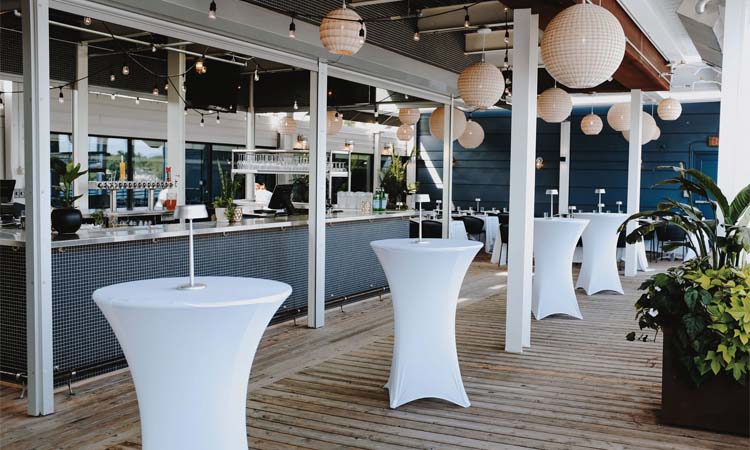
At 6Smith, high-top tables allow guests to move around more easily and chat with others, but seating is kept to a minimum.
Noa, in downtown Minneapolis, has seen the shift toward cocktail-style receptions, says general manager David Youngren; he thinks the trend is designed to accommodate employees who might not want to commit to a three-hour dinner.
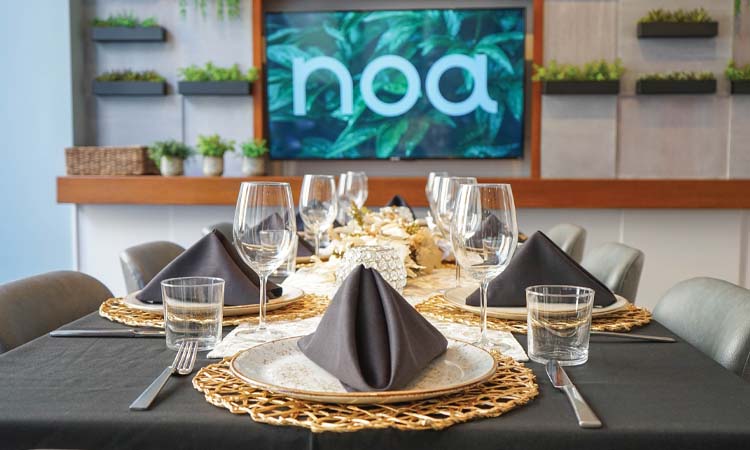
Having the flexibility to add, remove, and reconfigure furniture is essential, says Stanley. Just as important is the ability to assemble more than “just a beige experience.” Many groups request a specific theme (and work with event planners to execute) or bring in their own decorations day-of. Thus, restaurants need to ensure the backdrops they’re providing aren’t dull or lifeless.
“What they’re looking for is a place that has a soul—not just a big open space like an event center,” says Stanley. “They’re looking for an experience that is as close to the restaurant experience as they can get.”
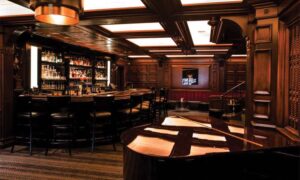
For restaurants like The Lexington, with its dark wood paneling, crystal chandeliers, stained glass windows, and velvet embellishments, the building’s historic architecture makes a strong first impression.
“At the end of the day, it’s the staff that make people feel good, not what our water glasses or forks look like.”
—Craig Ritacco, COO/partner, The Lexington
 Mastering Hospitality
Personalized service can be challenging in group settings, but higher-end spots make it a priority.
Craig Ritacco, COO, general manager, and partner at The Lexington, with almost 40 years in the industry, thinks the hospitality component is “becoming a lost art”—restaurants just aren’t putting as much effort into training and staff development. But phenomenal service can make the difference whether that private dining client returns next year.
The Lexington’s events team works closely with vendors and clients to say yes as much as possible. Often, that means making adjustments or taking on more responsibilities without charging an additional fee. But taking care of people is how Ritacco wants The Lex to lead.
Read more from this issue
“At the end of the day, it’s the staff that make people feel good, not what our water glasses or forks look like,” he says. “It’s really the people here that make it come alive for the guests, and that’s where The Lexington is living these days.”
State of the Plate
While companies might be more focused on business matters when they book a private event, the food remains front and center. Benevides says “food inclusivity” is one attribute she looks for when planning events for the law firm’s internal stakeholders.
“Is there a menu option for everyone at the table? My job, on the front end, is asking invited guests if they have any dietary restrictions and communicating that back to our [dining venue] to ensure whoever walks into the restaurant … feels comfortable,” she says.
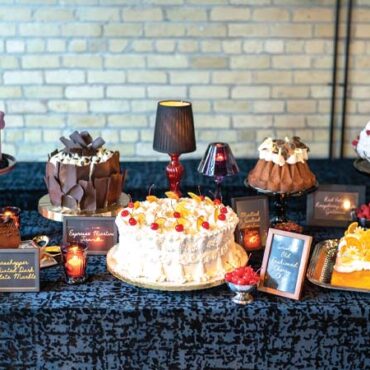
“If somebody wants a gluten-free chocolate torte, that doesn’t mean everybody has to have a gluten-free chocolate torte,” says Minda Sherman, director of sales and marketing at The Lexington, “but I’ll make sure that one guest who’s gluten-free is able to have a three-course meal like everyone else.”
Some restaurants offer a private dining menu that closely resembles the one for regular customers. 6Smith, for example, is known as an artisan-inspired steak and seafood restaurant and captures that essence through bite-sized versions of “heavy hitters” off its main menu, like its house-smoked bacon skewers and Ahi tuna poke bites. Conversely, others, like noa, opt to build a menu that differentiates from what it serves on a daily basis.
Structuring the meal is another factor to consider. Buffet-style might feel impersonal and less elegant to some, but there are ways to do it right, says 6Smith director of sales and marketing Tina Knopik.
“We have a lot of seafood towers and iced shellfish bars, where they look dramatic and taste amazing as well,” she says. “It’s exciting for people, so that seems to be super-popular if you’re trying to make an impression.” But there’s a reason that plated options remain a staple—the choice depends on whether a group wants a more interactive experience with walk-up stations, or similar pacing to standard restaurant service.
What’s most important is a meal that lives up to the standards of the hosting restaurant.
“The thing that I hear from guests time and time again is that corporate events [in general] just have the same dry chicken, but we’re a restaurant first,” says Sherman. “The quality of food, if you come in as a table of four and order off a regular menu, is the same as what’s going out in our private dining spaces.”
 Going the Distance?
If proximity to the office isn’t a key factor, how should businesses decide where to hold their event? The answer hinges on two considerations: ease of access to the restaurant, and how you want to show your guests the Twin Cities.
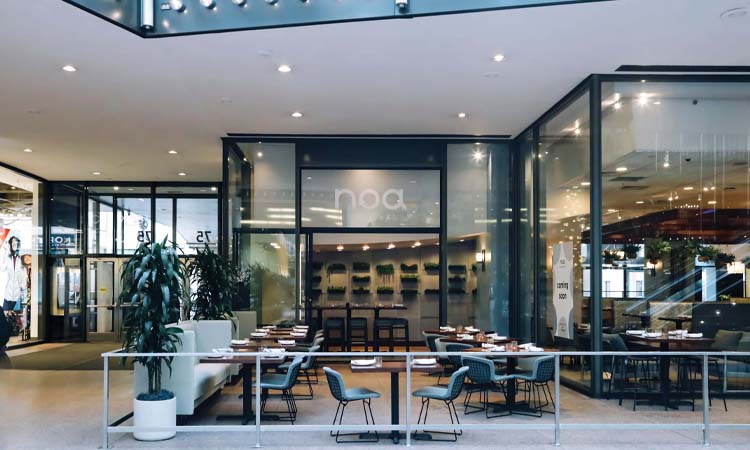
For most diners, Minneapolis or St. Paul tends to be a more central location—and if the office is in one of the downtowns, walking is an appealing option in the warmer months. It also allows clients who might be visiting from out of town to be closer to hotels and where the action is. California-inspired noa, in the 57-story IDS Center, is surrounded by the hustle and bustle of downtown Minneapolis, but creates a warm atmosphere with its rows of hanging plants and large windows.
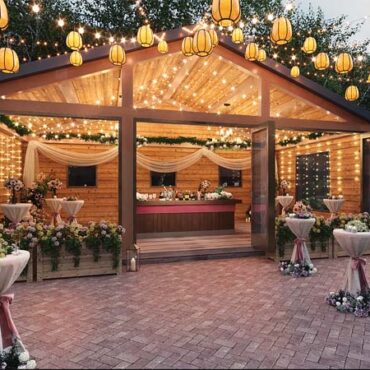
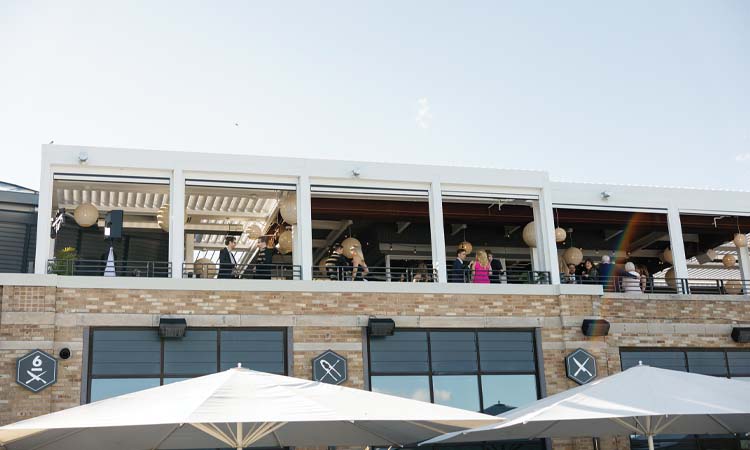
Looking to the suburbs can be worth it if parking is a priority. At 6Smith in Wayzata, the restaurant’s spacious rooftop patio—reservable for private events only—boasts its own private bar along with weather shades, ceiling heaters, and a louvered roof that keep the space usable for eight months of the year. It’s the only area rooftop that overlooks Lake Minnetonka, offering a serene dining experience with a breathtaking view.
Leaning Into Experience
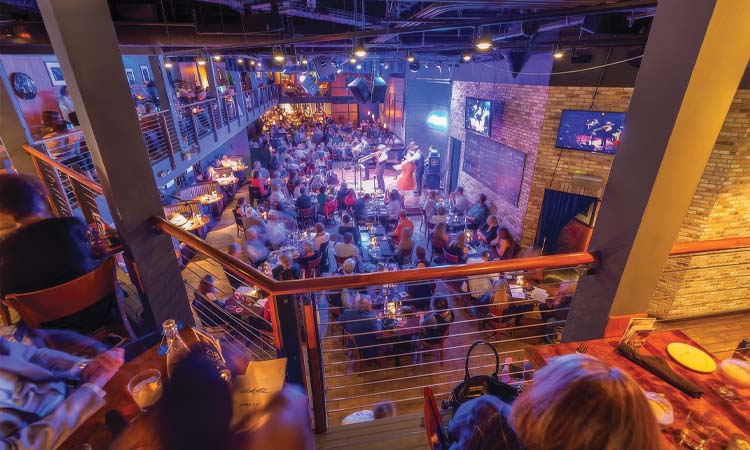
Private dining is becoming more experience-based, notes Benevides—nowadays, people look for aspects to be memorable beyond the meal itself. The Dakota, the cabaret jazz club on Nicollet Mall, is designed to rise to the occasion. Director of operations Joe Doermann says the Dakota isn’t always spotlighted as a dining destination, but live music sets it apart as a unique venue for private events.
Along with its main dining room, the Dakota has two private dining rooms and a mezzanine overlooking its stage, creating multiple spaces for groups to sit back and enjoy a performance on almost any day of the week.
“We have had success in doing ticketed blocks for corporate outings, where people come in a little bit early and get a happy hour and time to socialize, and then 30 minutes before the show, they take their seats,” says Jeff Hall, director of events for Dakota and the Quinlan Room by Dakota.
In recent years, the club has also seen full-venue buyouts from a handful of regulars, who will often request a customized menu to accompany what is essentially their own private concert.
It’s not for everyone, says Doermann, who explains that the Dakota’s policy requiring guests to stay in their seats once a performer takes the stage can be problematic for some groups. The club has also been unable to accommodate clients because their event dates didn’t jibe with the Dakota’s music calendar, which takes priority.
“[People] are looking for … a place that has a soul—not just a big open space like an event center.”
—Randy Stanley, co-owner, 6smith, Baldamar, Smithson
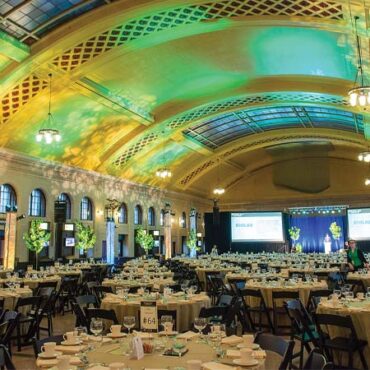
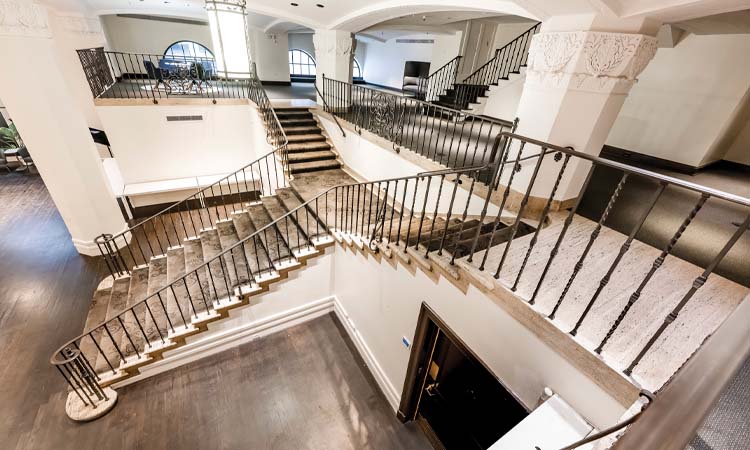
That’s largely why the Dakota decided to lease the nearly 10,000-square-foot space in the Young-Quinlan Building, located just a block away from the music venue. The Quinlan Room, with its marble staircase and arched windows, is the Dakota’s ballroom counterpart specifically for private events. It’s currently hosting limited bookings but Hall hopes that the space will be fully operational by early 2027.
Bringing in outside entertainment is also becoming popular, Knopik says—she’s seen everything from magicians to bead-making to karaoke to engage guests. It’s a feature that Stanley finds increasingly non-negotiable among clients.
“I see more people saying ‘I want to make sure that my customers or friends have the best time they can—what’s that going to take?’ rather than ‘Here’s my budget—what can we do?’” he says.