

Why St. Paul Corner Drug Loses Money Filling Prescriptions
Pharmacy deserts are popping up across the state. Approximately 61% of independent Minnesota pharmacies have closed in the past decade, leaving around 120 at the beginning of 2026, according to the Minnesota Pharmacists Association.
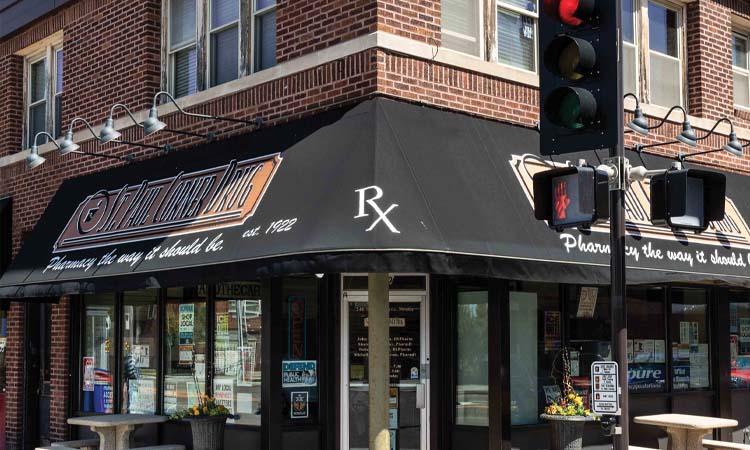
It also means existing independent pharmacies have to fill more prescriptions when they absorb those dispossessed customers. St. Paul Corner Drug has been no exception, but rather than expand a business line that doesn’t cover its costs, at the dawn of 2026, owner John Hoeschen stopped accepting new prescription customers and introduced a waitlist.
“It does us no good to kill [our business],” Hoeschen says.
St. Paul Corner Drug (SPCD) has three pharmacists to fill prescriptions, and they can fill up to 500 daily. “It’s gotten to the point where it’s out of control,” Hoeschen says. “We have staff coming in an hour early in the morning to finish up yesterday’s mess before the lights go up and it all starts again.”

Five state legislators came by SPCD last year to learn why it had a waitlist for new customers. After watching the business run, they realized, as they told Hoeschen, “it has nothing to do with how busy you are. The busier you are, the more money you lose.”
“Bingo,” Hoeschen replied.
St. Paul Corner Drug can’t break even on two-thirds of the prescriptions it fills. Hildie Hoeschen, John’s daughter and SPCD’s mail order and creative director, says pharmacy benefit managers (PBMs)—intermediaries that manage prescription drug costs for insurers, employers, and Medicare—provide SPCD with reimbursement lower than the cost to buy the inventory and fill the prescriptions. PBM practices are one of the main reasons independent pharmacies are closing.
Looking to turn a profit elsewhere, SPCD expanded its vaccine offerings.
Read more from this issue

“For all the time and energy and money invested, [vaccines] are still a better return on your investment than filling a prescription,” Hoeschen admits. “It’s not in the red.”
Insurance companies pay SPCD to administer vaccines. Medicaid pays the most, according to Hildie. To give a customer a shingles shot, for example, an insurance company reimburses SPCD an average of $20. The pharmacy makes about $7.50 for every vaccination, providing much-needed margin. Vaccine administration has given Hoeschen a financial cushion; he’s going to be solvent for the next six months, he says.
For uninsured customers or those with poor insurance, SPCD continues to advocate for its cost-plus payment option, charging the cost SPCD pays to purchase the medication, plus a dispensing fee that “accurately reflects what it costs us to fill,” Hildie says. So far, 18% of its customers pay this way.