

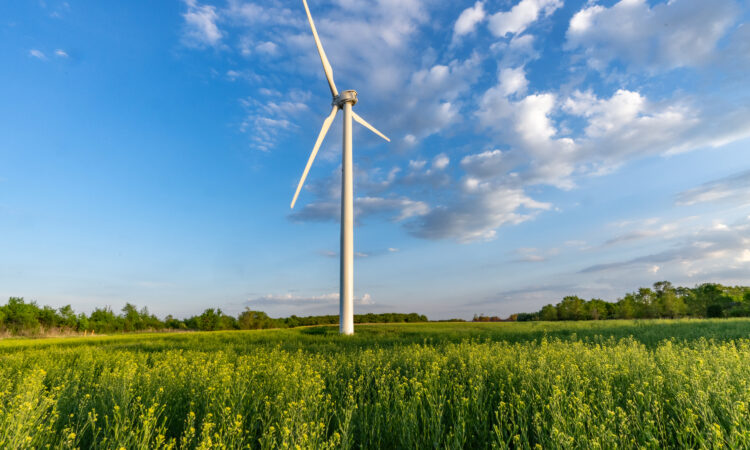
New Report Explores Potential of Winter Camelina for Minnesota Farmers
While corn and soybeans are the major crops grown on Minnesota farms, a food and agriculture coalition is attempting to elevate the value of lesser-known winter camelina.
The oilseed cover crop is the subject of a new report released this month by MBOLD’s Protein Catalyst initiative that was launched in 2025. It receives staff support from Greater MSP, an economic development organization based in St. Paul.
The report “Winter Camelina: Opportunities and Challenges for Use as an Animal Feed Ingredient” explores whether winter camelina meal should be included in livestock feeds for beef cattle, dairy cows, swine, and poultry.
But the study, undertaken by the Crookston-based Agricultural Utilization Research Institute, isn’t simply an examination of what to feed livestock. The issue is inextricably linked with the supply of protein, soil health, and sustainability in the animal agriculture system.
“Today’s livestock diets rely heavily on corn and soybeans, often alongside other ingredients, such as canola and alfalfa,” the report said.
“Alternative and supplemental feed sources, including winter-hardy annual crops and perennials, are grown on limited acreage and remain relatively under-researched,” per the report. “However, they add diversity to the landscape and diversify income opportunities for growers while also having the potential to lower the environmental footprint of agricultural production systems and animal feed.”
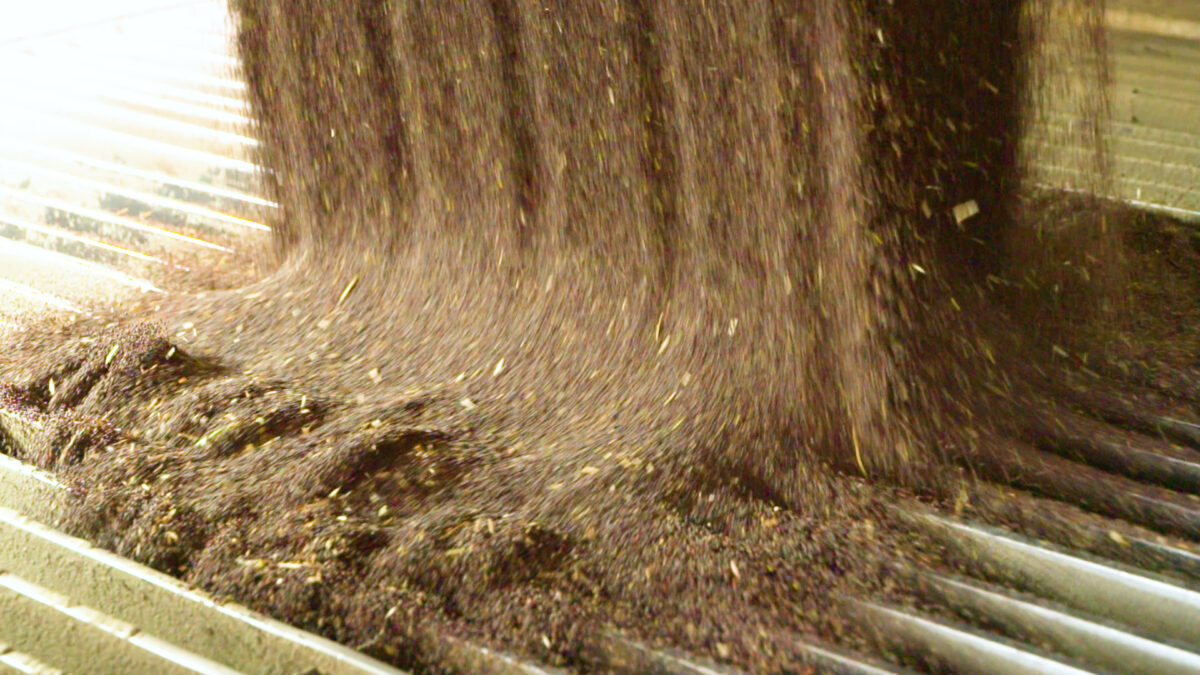
The ability of various animals to digest feed with winter camelina is an issue. Researchers sought input from nutritionists and also deployed feed rationing software.
“We found the price of mechanically pressed winter camelina meal (WCM) may potentially need to be discounted between 15% and 60% relative to soybean meal (SM) to account for camelina’s nutritional profile, energy content, potential antinutritional factors, etc.,” the report said.
Oil and meal values are key factors in determining market opportunities for winter camelina.
“A significant demand-pull for winter oilseeds like winter camelina is likely to be biofuels,” the MBOLD report said. “Renewable diesel markets are well-established and are expected to have strong demand for the foreseeable future. Growing interest in sustainable aviation fuel is also driving interest in winter camelina oil as a potential feedstock.”
In its recommendations section, the MBOLD report called for additional research. “WCM can be incorporated into animal diets at varying levels and price points, but industry collaboration is needed to advance key work areas and outputs to improve industry knowledge and accelerate WCM’s market adoption,” the MBOLD report said.
In recent years, Midwest universities have been taking a serious look at the potential benefits of growing more winter camelina.
The University of Minnesota shared its findings as part of its Forever Green Initiative. The University of Minnesota began breeding efforts on winter camelina in 2016.
Camelina seeds contain about 36 to 45% oil, according to the University of Minnesota. “The oil is available for human consumption as well as for pet food and animal feed,” a U of M report said. “The seed meal remaining after oil processing is a nutritious FDA-approved livestock feed that is rich in protein, essential fatty acids, and fiber.”
The University of Wisconsin-Madison Extension also has assessed best uses for winter camelina.
“In Wisconsin, winter camelina is best sown in September to early October after harvesting crops like silage corn, sweet corn, or spring wheat,” Extension reported on its website. “It can also be interseeded into standing corn or soybeans.” Extension noted that camelina can be mixed with winter rye to produce more biomass.
Last month, Cargill and North Dakota State University hosted an informational event about winter camelina, which was held at the Carrington (N.D.) Research Extension Center.
“As farm margins tighten and challenges such as increasing weed pressure and soil health concerns continue to affect soybean productivity, interest in alternative crops is growing,” the NDSU Extension said. “Winter camelina is emerging as an option for producers in the northern Great Plains.”