

Analysis: Fairview and U of M Talks Drag on Without Essentia
It’s been more than two years—July 2023—since University of Minnesota leaders helped topple a proposed merger between Sanford Health and Fairview Health Services.
It’s been more than seven months—mid-February 2025—since Fairview leaders informed their employees that they opposed the University of Minnesota’s proposal to merge the clinical enterprises of the U of M, Minneapolis-based Fairview, and Duluth-based Essentia Health into a new health system.
It’s been nearly six months—April 2, 2025—since Minnesota Attorney General Keith Ellison announced that a “new chapter of negotiations on the future of academic and clinical medicine and community health in Minnesota will soon begin between the University of Minnesota, Fairview, and Essentia Health.”
At the time, Ellison said that the three parties had agreed to work with a “strategic facilitator,” who would be “guiding conversations” among the three parties to “address how they can work together on a path forward.”
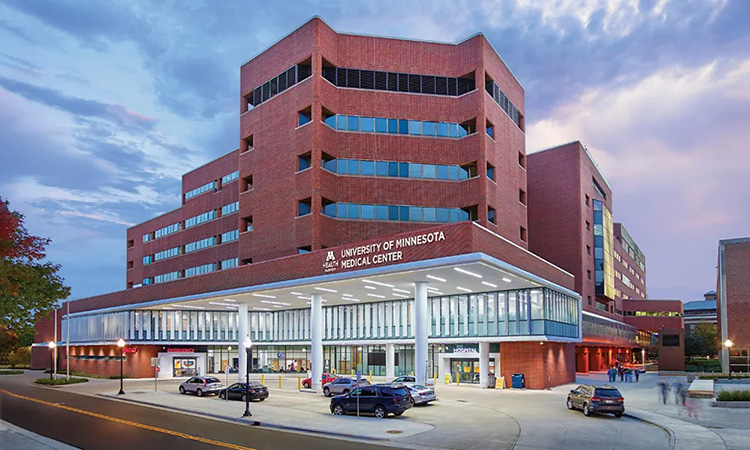
Meanwhile, the clock keeps ticking on an operating agreement between the U of M and Fairview that’s set to expire on Dec. 31, 2026. Fairview owns the U of M Hospitals, supplies patients to university physicians, and it also makes an annual payment to the U of about $100 million. At the end of 2023, both parties provided notice that they wouldn’t renew the current agreement. So they’ve had nearly two years of time to define terms for forging a new agreement.
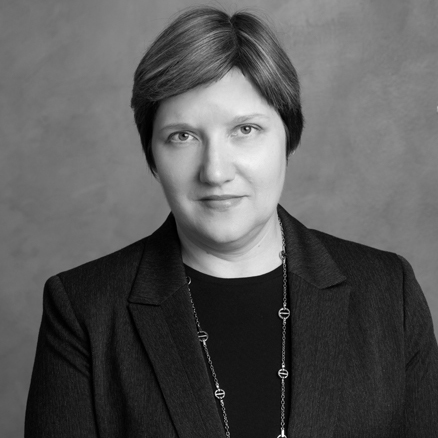
Lois Quam, who had a 17-year career as an executive at UnitedHealth Group, was selected to help break the logjam in the longstanding negotiations. She has been acting as the attorney general’s strategic facilitator for the health partnership talks.
This week, it became public that the three-party talks are now two-party negotiations.
“Essentia Health is no longer part of the strategic facilitation process because the strategic facilitator [Quam] determined Essentia no longer had a role in that process,” Mychal Vlatkovich, Essentia Health spokesman, said in a Friday statement.
For its part the University of Minnesota said that it “continues to be engaged in direct discussions with Fairview” that are being facilitated. “Despite our good faith efforts, thus far we have not reached an agreement with Fairview that secures the long-term future of the medical school,” the U said in a statement provided by spokeswoman Heather Carlson Kehren. “The University remains committed to achieving a solution that includes a relationship with Fairview, but it will be different than the status quo.”
In a statement from spokeswoman Aimee Jordan, Fairview said the following: “We are grateful to Attorney General Ellison and strategic facilitator Lois Quam for their leadership and partnership. Guided by our mission to deliver exceptional care, we remain committed to moving forward responsibly and transparently—ensuring stability for our providers and faculty, supporting our patients, and strengthening health care for Minnesotans.”
Quam is now in the hot seat, because she’s charged with moving Fairview and the U of M to a deal that’s eluded them for a long time.
“Negotiations to conclude a new agreement between the parties are ongoing,” Quam said in a statement released through the attorney general’s office. “It’s normal and to be expected that in working to reach an agreement on an issue as complex as this one, negotiations would take some time. The parties are to be commended for the great staying power they’ve shown and for staying at the table. All understand the importance to the people of Minnesota of stability and continuity in patient care, research, and training Minnesota’s future doctors. We are making meaningful progress, and I expect we will reach a fruitful agreement.”
Is there a deadline for Quam to get the parties to a deal? When TCB asked the attorney general’s office whether there was a time limit on Quam’s contract, press secretary Brian Evans said, “Lois continues to serve as strategic facilitator and there is no end date established for her work.”
While the current Fairview-U of M contract expires at the end of 2026, John Heinmiller, Fairview board chair, and James Hereford, Fairview CEO, said in a February letter to their employees that they would not accept a deal that put Fairview at a disadvantage. Hence, they said they were prepared to operate in 2027 without a new contract in place, and that access for academic physicians and the patients served would continue at the University of Minnesota Medical Center and at all Fairview facilities.
Based on the length of talks and lack of a new agreement, several questions are worthy of consideration.
Is there a real deadline by which a deal must be reached? Are one or both parties unyielding in their willingness to compromise? Does the University of Minnesota recognize the leverage that Fairview holds?
It wasn’t a surprise earlier this year when Fairview said it was opposed to a new health system merger that the University of Minnesota had conceived.
In its written statement Thursday, the University of Minnesota disclosed that it’s engaged in two sets of talks. After noting it was directly talking to Fairview, the University of Minnesota said: “That process is distinct from the broader conversations that are happening among the University, Essentia Health and other partners on an academic health system to meet the needs of all Minnesotans; both organizations remain open to and are actively exploring solutions to ensure a strong medical school to meet the state’s health care challenges.”
In his statement, Essentia’s Vlatkovich also acknowledged that Essentia is a party to the “broader conversations” that the U of M is conducting “to support the University’s Medical School—a critical resource for all Minnesotans—in preparing the current and future health care workforce.”
How the U of M’s extended dialogue with other health care providers affects its ability to do a deal with Fairview is unclear.
“Any solution must ensure the short- and long-term sustainability of the University of Minnesota Medical School,” the university said in its statement. “The University of Minnesota is resolute in its commitment to deliver on its public health mission of clinical care, medical education, research, and service for patients and Minnesota.”