

The Incredible Shrinking Taxi
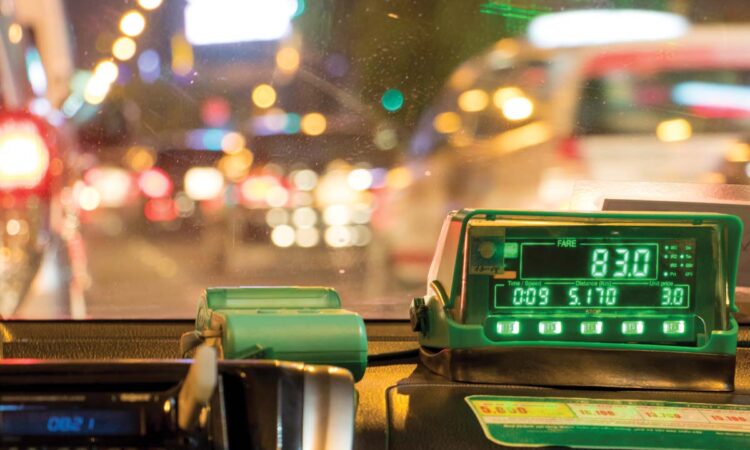
Amid the ongoing back-and-forth between local government and rideshare giants, the taxi industry plods along, albeit in dramatically atrophied form. As the Twin Cities prepared for the possible loss of Uber and Lyft this spring, many wondered whether the taxi industry could fill its shoes.
The local taxi biz is now made up of a small number of players with considerably smaller footprints than they had two decades ago, before ridesharing. The number of licensed taxis in Minneapolis has declined precipitously over the past decade. According to city records, there were 1,385 licensed taxi vehicles and 1,676 licensed drivers in Minneapolis as of 2015, a year after Uber came to town. Fast-forward to 2024 and those numbers drop to 14 and 39, respectively.
The taxis of today also serve different purposes than did the taxis of the past and the Ubers of the present. Late-night bar pickups are a considerably smaller portion of their revenue streams, for one. Waleed Sonbol, co-owner and CEO of St. Louis Park-based Blue & White Taxi, notes that only about 10% of his company’s total revenue now comes from on-demand business. Though drivers miss the money, this arrangement suits them in other ways. “Our drivers don’t like driving at night anymore,” he notes.
Instead, the majority of Blue & White’s revenue comes from account-based businesses—agreements with local companies, such as health providers or charter schools, to transport clients.
There are still some similarities between the business models. Like Uber and Lyft, Blue & White Taxi doesn’t own its cars, so all of its 335 drivers are independent contractors.
Sonbol notes that his company has stopped licensing cars with the city. The cost of licensing—$475 annually per vehicle and $59 per driver—simply isn’t worth the benefits. In the past, a taxi license gave drivers access to taxi stands, but most of those have been removed since the arrival of Uber and Lyft.
Sonbol has seen small upticks in demand since the Uber-Lyft drama unfolded in March. He fielded “lots and lots” of inquiries from Uber and Lyft drivers, but state legislation settled rideshare driver wages in May when the companies agreed to remain in the market.
“If business comes back,” Sonbol noted before the settlement, “we’re ready for it.”