The store encourages customers to sample and taste its artisanal products, many of which literally are dispensed from taps and kegs.

latest articles
Target’s 2013 proxy filing offers insight into how much Gregg Steinhafel’s exit package may be worth; some estimates project he might collect about $26 million.
Advantus Capital Management is adding about $300 million in assets to the $29 billion it already manages.
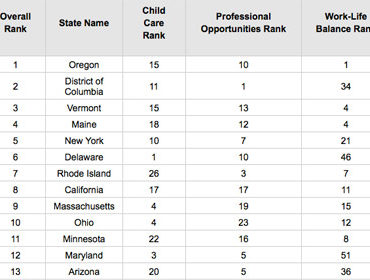
Based on factors like child care costs, parental leave policies, and gender pay gaps, WalletHub compiled a list of the best states to live in for working mothers.
Mayo Clinic and UnitedHealth Group are among Millennials' top picks for employers.
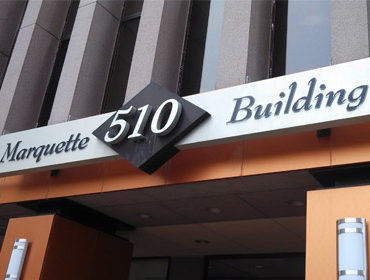
Weber Shandwick said it plans to move into the 510 Marquette building in July 2016.
The new “Wedge Community Table” is part of the co-op’s multi-year expansion project, which also calls for a renovation of its Lyndale location and the addition of another grocery store.
The Minnesota Supreme Court reportedly asked a lower court to look into when 3M learned about a law firm's decision to work on a case against 3M.
A Minnesota employee of EXP Pharmaceutical on Wednesday admitted to charges of theft of public money.
The program's organizers said many similar organizations have surfaced since its inception, and one of them, Gopher Angels, will take over some of the work previously performed by the Minnesota Angel Network.
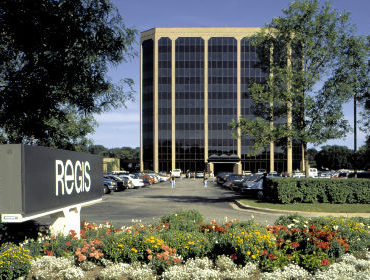
Regis swung to a quarterly loss of $9.5 million, but the company remains invested in its turnaround attempt, which has involved improved point-of sale systems and the installation of new leaders.
The company said planned improvements to its existing Bayport facility will bring jobs that pay an average of $19 an hour, plus benefits.
Minnesota business leaders dominate this year’s crop of Ernst & Young Entrepreneur of the Year awards for the Upper Midwest region.
The funding will now be used on two big freeway projects, one in the metro and one in southern Minnesota.
The massive aerospace, defense, and sporting goods company—which has four facilities in Minnesota—announced that it’s dividing itself into two separate companies.
Midwestern power companies had blocked a regulation that would reportedly cost them hundreds of millions of dollars a year—but the U.S. Supreme Court has now sided with regulators, reviving the rule.