

New U of M Medical School Campuses Address Rural Health Care Crisis
Rural health care is in trouble. Last fall, the University of Minnesota Medical School made a significant move to help address what is a critical problem.
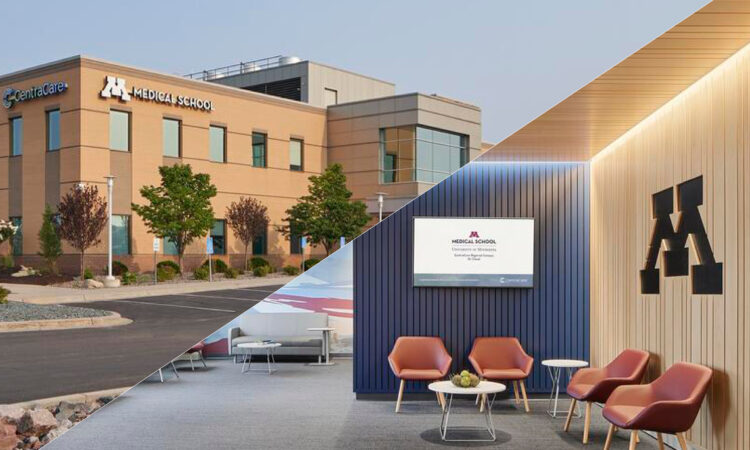
Its strategy: launch two new outstate campuses offering four-year medical education and training programs. Campuses in Duluth and St. Cloud welcomed their first four-year cohorts in August 2025.
The Duluth campus has actually been open since 1972. But until last year, it offered only a two-year program, with students completing their final two years at the Twin Cities campus. Now, its Class of 2029 will attend all four years of its medical education in Duluth.
The creation of those four-year programs is good news for a health care landscape in profound crisis.
The crisis by numbers
The numbers are daunting. A November 2025 Minnesota Department of Health report of rural health care services showed that the median age for physicians in rural communities is 60, with up to a quarter of physicians in rural communities likely to retire in the next five years. Parts or all of 69 Minnesota counties have been designated as “Health Care Professional Shortage Areas.”
In addition, data gathered by the Minnesota Department of Health and the National Rural Health Association shows that:
- 16 rural Minnesota hospitals have closed since 2010
- Between 2010 and 2023, 14 Minnesota counties lost all hospital-based obstetrics services
- 29% to 51% of rural hospitals in Minnesota were estimated to be operating on negative margins due to staffing shortages and high fixed costs, among other factors. One of those factors is their dependence on government programs for reimbursements, which has become a particularly massive problem.
These are challenges that the Duluth and St. Cloud campuses could help address.
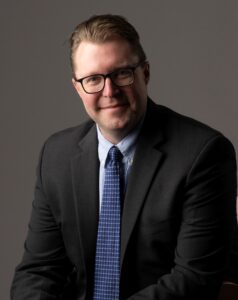
Training rural physicians has been part of the Duluth campus’s mission since it opened on the grounds of the University of Minnesota Duluth (UMD) more than 50 years ago. “The aspiration to be a four-year program was there from the very beginning,” says Kevin Diebel, the medical school’s regional campus dean in Duluth. “A lot of people would probably say that this is long overdue.”
That aspiration was finally achieved thanks largely to “a larger structural change within the medical school as a whole” starting about four years ago, Diebel adds. In particular, school leaders wanted to address the needs of rural Minnesota “in a more meaningful and comprehensive way.” Jakub Tolar, who was dean of the University of Minnesota Medical School from 2017 to February of this year, was one of the proponents of creating campuses in Greater Minnesota to address rural health care.
With the establishment of a four-year program, the Duluth campus is seeking “to build a deeper integration with the tools that lead to success around training physicians for careers in rural health,” Diebel says.
One of those tools is the Duluth campus’s partnership with the Rural Physician Associate Program (RPAP), which encourages University of Minnesota third-year medical students to live and train in rural communities throughout the state for a nine-month period.
Before Duluth became a four-year campus, “we had about a third of the Duluth students participating in RPAP for their required clinical training,” Diebel says. With the Duluth campus now providing a full four years of education, “we want to get 35 of our 65 students to participate.”
The Duluth campus is also introducing what it calls “the Duluth lanes,” which provide clinical training with Aspirus St. Luke’s and Essentia Health, the Duluth region’s largest health care providers. “We’ve had the ability to train 10 students locally for many years,” Diebel says. “We’ll now be able to train 30 students per year locally in Duluth.” This will allow students to choose between clinical training either in a rural setting or in the (relatively) big city. The Duluth campus is also developing more residency opportunities in the city, which can help local health systems attract physicians.
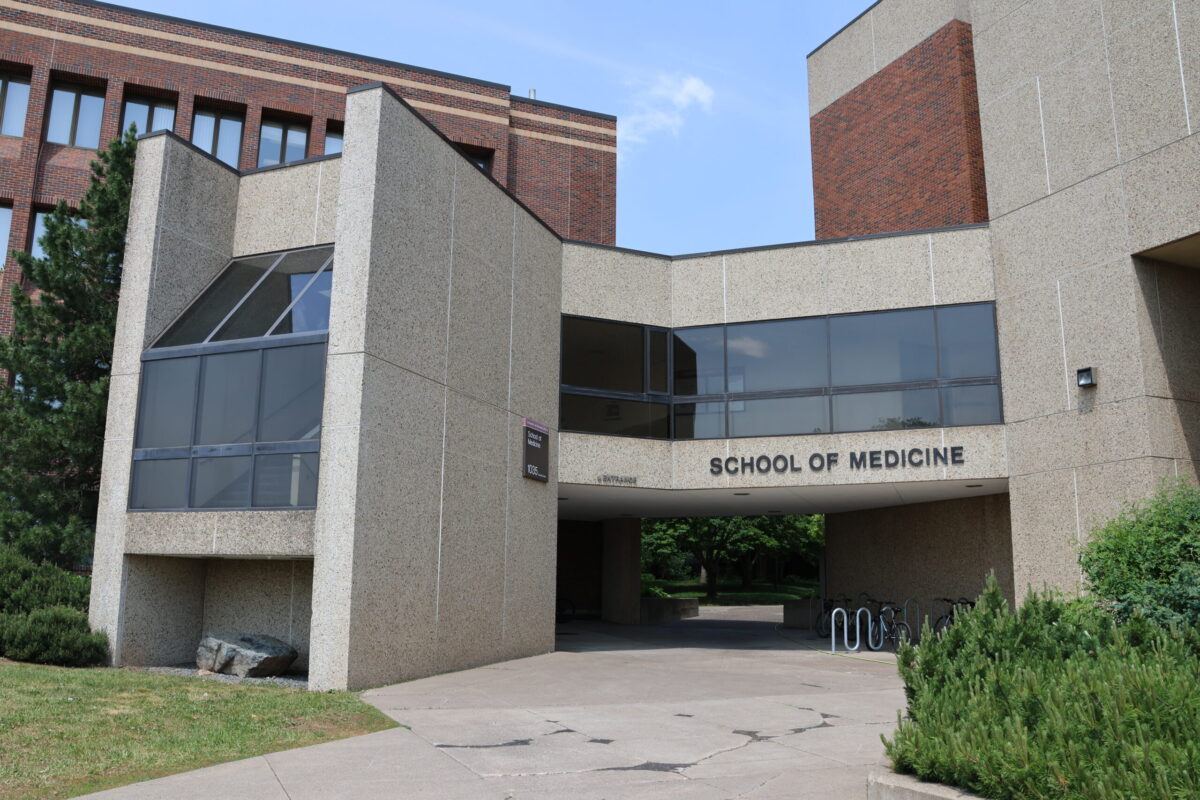
Besides rural health care, the Duluth campus has a second focus: training physicians to work among Native American people. Within the Medical School is the Center for Indian and Minority Health, which has its flagship office in Duluth. (There’s also an office in the Twin Cities.) The number of Native MD students is small—there are 24 out of the Medical School’s total MD enrollment of 911—although it hopes to recruit more. Since 70% of Minnesota’s Indigenous residents live in the metro, Native Medical School students typically choose to do clinical work at Hennepin County Medical Center, where there are several Native physicians they can work with. Still, Diebel says that “some students will want to have a rural experience, like working for Indian Health Services on a reservation. That fits really nicely into the RPAP program.”
In addition, “we have had elective courses in Native American health in prior years that we hope to convert into a longitudinal scholarly concentration in Native American health in the years to come,” Diebel says. “Students who participate in this scholarly concentration would be able to graduate with a distinction in this area of study in addition to completing the requirements of the MD program.”
Diebel believes there’s a strong business case for establishing a full medical education program in Duluth. “Having a four-year campus here is something that brings a lot of value, I believe, to the economic engine of Duluth and the region,” he says.
For one thing, it can attract more physicians to live and work in the area. Another goal, of course, is “improving the health care outcomes of the community as a whole,” Diebel notes. As businesses consider investing or expanding in Duluth, “one of the things that they’re definitely going to look at is the health care infrastructure.”
The St. Cloud vision
“The theme of our campus is ‘to make rural life healthier,’” says Chris Fallert, the dean of the Medical School’s CentraCare regional campus in St. Cloud. “There’s a definite focus on training rural physicians.”
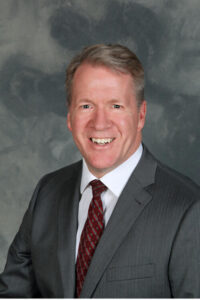
Fallert credits Ken Holmen, who has served as president and CEO of St. Cloud-based health care system CentraCare since 2015, as one of the chief driving forces in launching the new campus.
Holmen believed that promoting rural health would be more effective if an academic medical center “is located closer to a rural community,” Fallert says. Recruiting students from a rural background and training them in rural communities “is the strongest method to keep them in those communities,” he adds.
St. Cloud is off to a good start in fulfilling that mission: Of the campus’s first cohort of 24 students, 80% are from communities with fewer than 20,000 residents, and 50% come from towns with fewer than 5,000.
“The students who tend to be most interested in serving in rural communities understand that primary care specialists are the ones most needed in those communities,” Fallert says. This category includes physicians practicing family medicine, internal medicine, and pediatrics. Additionally, rural residents need specialists in obstetrics, psychiatry, emergency services, and general surgery. The St. Cloud campus will be developing not only clinical training but also residency programs in those disciplines. “We hope this will keep students in the area for their entire training and then continue to work in communities in which they’ve been trained,” he adds.
Fallert also notes that “University of Minnesota Medical School graduates that have had RPAP training are more likely to choose rural practice.” In addition, they’re more inclined to specialize in family medicine, “a specialty whose broad training prepares them particularly well to serve in rural communities.”
The new University of Minnesota Medical School four-year campuses are pursuing a noble mission. Could their work help keep rural hospitals open? That, Fallert notes, “is a complex issue that involves both financing and workforce factors.” While the financial aspect may largely be outside the Duluth and St. Cloud programs’ capabilities, “I do think we’ll be prepared to address some of the workforce issues.”