

Protein Demand Leads to Bongards Creameries’ $330M Expansions
Over a decade ago, Chanhassen-based Bongards Creameries, a processed-cheese producer and wholesaler, generated $300 million in revenue. Now, it’s approaching $1 billion.
Because of increased sales, the 118-year-old farm cooperative has announced nine-figure expansions of both of its Minnesota facilities in back-to-back years.
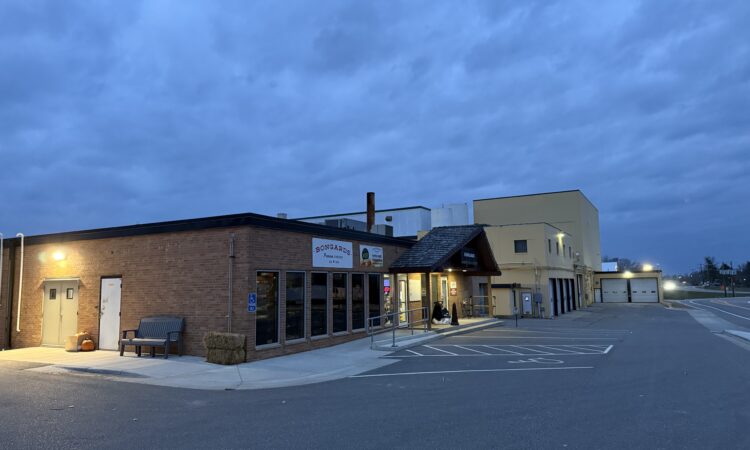
Bongards completed one of those expansions at its Parham plant last year, worth $125 million. Later this year, it expects to begin construction on a 120,000-square-foot expansion, doubling existing production capacity of its Bongards plant for an estimated $135 million, with operations scheduled to finish in early 2028.
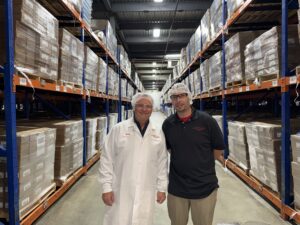
Scott Tomes, Bongards’ chief revenue officer, says the company is expanding quickly because its customer mix continues to grow and Americans want more cheese and whey protein, with Tomes pointing to the rising demand for protein—especially dairy-derived whey protein—over the past 10 years.
Bongards is primarily a wholesaler, selling 95% of its processed cheese in bulk to retailers like Kwik Trip, broadline distributors like Cisco and U.S. Foods, restaurants like Burger King and Jersey Mike’s, and school districts for lunches. Its cheese serves as the base for Qdoba’s queso and for Panera’s broccoli cheddar soup, says Tomes. “We supply it to [clients’] operations, and then they’ll add in peppers and broccoli or whatever they’re making.”
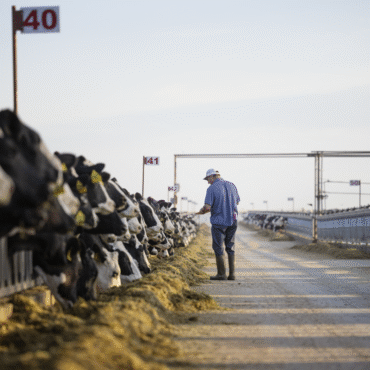
Bongards has three facilities: two in Minnesota and one in Tennessee. Dairy farmers from Minnesota, plus one Wisconsin family farm, provide the milk to Bongards multiple times a week. Bongards trucks pick up the milk at each family farm and ship it to the Parham facility for pasteurizing, testing, and eventually turning it into cheese curds. The Parham plant then ships out those curds to the Tennessee and Bongards facilities to create the processed cheeses (white cheddar being its most popular).
And now, Bongards’ customers are demanding more cheese than ever.
What’s behind Bongards’ growth
Americans eat roughly 40-42 pounds of cheese per person each year—more than double 1970 levels, according to the Agricultural Marketing Resource Center. Shoppers have noticed more products with “protein-enhanced” labels appealing to customers on diets or who want to bulk up.
Bongards is prioritizing whey production. “You can get more for it,” Tomes says. “Anything that’s clear that stays clear is a huge opportunity,” he says, because then it could dissolve in water and appeal to the brands of a company like Coca-Cola.
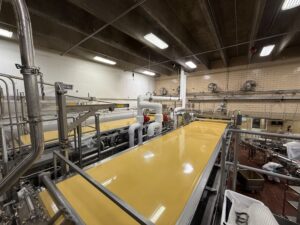
As demand has grown, Bongards has seen its milk supply from farmers boom in recent years, too. Tomes says all Bongards’ plants reached capacity last year. Its Parham expansion grew production capacity by 50%, from about 4 million to nearly 6 million pounds of milk per day (the industry-standard unit of measure).
Tomes says customer mix continues to expand, as well. “Jersey Mike’s is the best example,” he says. “The chain opens 300 stores a year.” When Jersey Mike’s is opening a new store outside the U.S. nearly every day, that’s a lot more cheese Bongards is asked to supply.
RELATED: Land O’Lakes Bulks Up Its Protein Capacity
Before deciding to expand, Bongards looked at building a new plant in South Dakota for the state’s friendlier tax policies, along the growing I-29 corridor. But, Tomes says, building from scratch is a lot more expensive.
Instead, the company is sticking to its roots in Minnesota, where it has been since 1908, and doubling production capacity at its original Bongards plant. “We are betting that processed cheese will continue to grow,” Tomes says.