

Not Exactly Waiting ’Til Next Year
At mid-season, the Twins got deeper into frequency marketing. The team was already offering season ticket holders (“members”) a points currency for their loyalty, good for various goods and experiences, but this round set the bar higher. The Twins told members if they actually came to the ballpark (rather than selling their tickets online or not using them), they’d receive credits against next year’s plan. The credits kick in if they give the seats to friends or family as well.
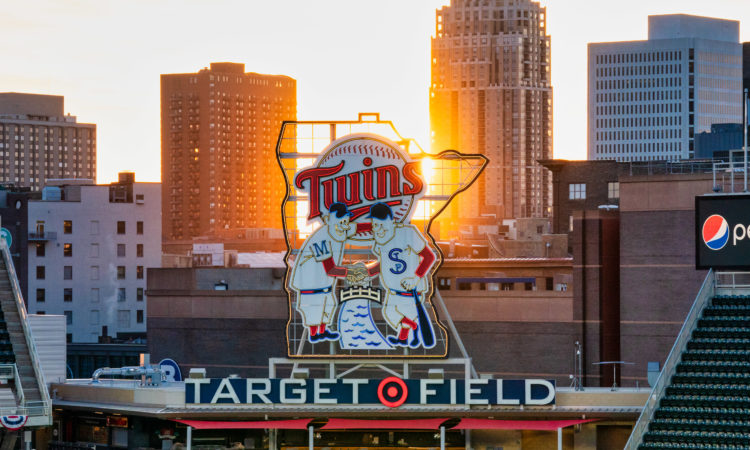
It’s called Home-Field Advantage, and a very tangible outcome of its success would be creating a higher level of energy in Target Field, as it reasons that members are the most likely to not use tickets on any given night.
Twins chief revenue officer Sean Moore describes the initiative as rooted in a challenge from owner Tom Pohlad to think differently about how the team engages with and makes its best customers feel valued. “The fan experience isn’t defined by one promotion or one program,” says Moore. “It’s the cumulative effect of consistently investing in the people who choose to spend their summers with us. That’s the direction Tom has set, and we’re committed to continuing to build on it.”
The team is unaware of a similar initiative in pro sports: Scan your ticket and receive a 15% credit off its value for next season. If the Twins win the game, that credit is 20%. The cap on annual credits is $2,000 per account, so the ballclub understands the limits of its exposure. It’s an interesting gambit in that there’s no additional spending required to establish a boatload of credits on monies already spent.
One other upside for the team is that an empty seat buys no beer or gear. Season ticket holders opt out of a game for reasons from weather to road construction to the cabin, and given the buyer’s market, it’s often difficult to resell tickets. (The team no longer releases metrics about season ticket sales because it says plans are so flexible in how and when they can be used that it’s an archaic metric.)
The team is currently 25th of 30 MLB teams in tickets sold, averaging a bit under 21,000 per game, down 3% from last season, per Baseball Reference. MLB teams do not release actual attendance data and haven’t for years.
If members materially change their attendance patterns, they could be looking at a substantial discount on next season’s plans. If there is a next season. There are few historical analogues to how uncertain 2027 baseball may be. The basic agreement between the players union and the league expires Dec. 1, and the sides appear to be far, far apart. Insiders suggest an MLB lockout will happen once the agreement expires (as in 2021), with real potential for portions of next season to be lost. Fans who want to utilize credits must renew by Nov. 1.
Moore says the team has not yet made decisions about member price increases for next year and is keenly aware of the potential impacts of a lockout. He says the team will be upfront with members but, given it may be March 1 before there’s any real clarity on next season—and many will have paid nearly in full by the time that clarity emerges—members could be managing credits as they were post-Covid.
In the interim, the team still has real playoff hopes, and fans who attended any of the LA Dodger series in June saw vividly what a difference a full ballpark makes on the vibe, if not the outcome, of a Major League baseball game.