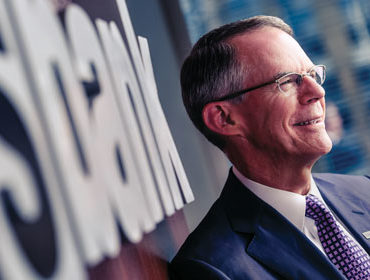
The bank’s CEO Andy Cecere is set to replace him.
Post Type of: Article
Art Rolnick, a senior fellow at the University of Minnesota and former VP at the Federal Reserve Bank of Minneapolis, explains why getting into subsidy bidding wars would ultimately be bad for the region and the state.
Neurodegenerative and liver disease are among the targets of Regenerative Medicine Minnesota.
The Rochester-based health care provider and Veritas Genetics are launching an effort aimed at greatly extending WGS availability.
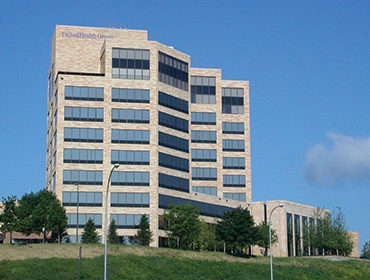
The insurer expects its earnings and cash flow will jump by $1.7 billion in 2018 as a result of the recently-passed federal tax reform.
Considering Minnesota’s regions separately reveals different challenges — and suggests different solutions.
The improvements include updates to existing attractions, as well as investments in infrastructure that will help the “The Great Minnesota Get-together” bring in state-of-the-art traveling exhibits.
A spokesperson said that Medtronic didn’t yet know the total number of employees that would be impacted by their new restructuring plan, but that the company is still on track to make good on their pledge to create 1,000 jobs in the state since moving their HQ to Ireland in 2015.
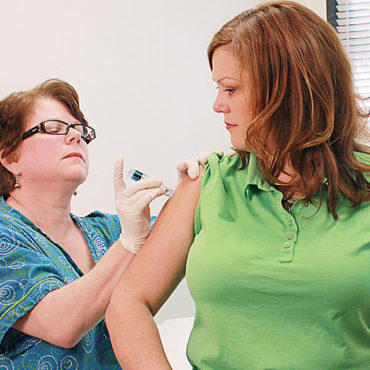
The Centers for Disease Control and Prevention said health care employers need to do more to protect employees, patients and visitors.
Average weekly wages in Minnesota showed no significant growth, hovering between $980 and $1,016 between 2003 and 2013.
Allina suspected that David Matthew Johnson, who was vice president of talent and human resource, had been submitting false mileage and expense reports since 2004.
The four-day event kicks off in January each year, highlighting the who’s who and latest and greatest in the tech world.
Each physician in the state was responsible for an average of $2.3 million in economic activity.
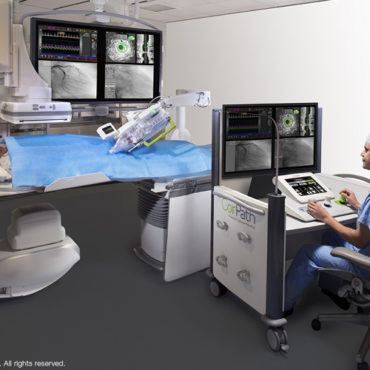
A preclinical study between Mayo and collaborator Corindus Vascular Robotics will test a remote-controlled ‘telestenting’ system in face of likely cardiologist shortfall.
The foundation said it would also donate the same amount and more to 37 organizations, many of which are from Minnesota.
Overall, the company expects to save the $3 billion by the end of its 2022 fiscal year.
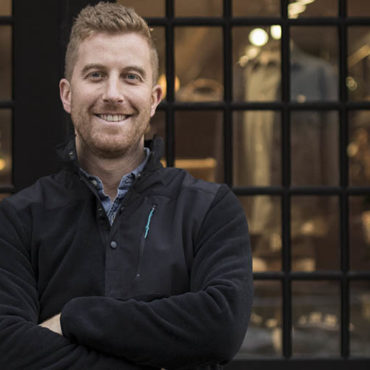
We spoke with the man tasked with implementing the project, Adam Fetcher, about how and why the North Loop-based clothing company decided to take on one of today’s most urgent problems.
Zyga’s flagship product is used to treat chronic pain within the lower spine.