The Perks of an ‘Adult Gap Year’
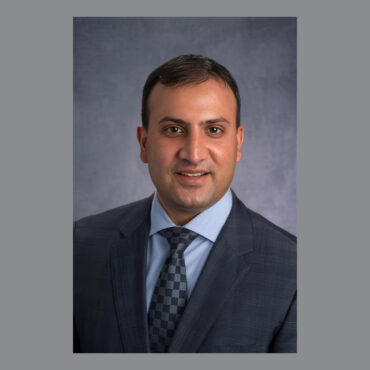
Margaret Murphy is a marketing executive who climbed the ranks at Carlson Marketing Group before co-founding a marketing agency that was acquired by Olson (now ICF Olson), where she served as president and chief operating officer. When she left the Minneapolis agency in 2016, she told us in a recent podcast interview on By All Means, she granted herself an “adult gap year.”

And while it did include some time by a pool, Murphy spent most of that year reading, researching, and deeply considering what work she wanted to pursue next. At the end of her gap year, she realized her notes added up to a blueprint for Bold Orange. Today, with a team of more than 120, her Minneapolis-based marketing agency works with clients large and small including Target, Great Clips, eBay, and SPS Commerce.
Here’s Murphy’s advice on getting ahead, and getting what you want out of work.
How to structure an adult gap year:
“The biggest thing I did was let my soul catch up to my body. I had gone so fast and so hard for so long that I just needed to re-ground myself. Then I got a little office an asked my assistant to come with me. {This was pre-Covid, and I wasn’t going to sit home.) People would ping me, and ask to meet, and I wouldn’t know why I was going, but I’d come back thinking they were the greatest ever. I met with so many people, and spent a lot of time reading and researching and looking at the market. I went to Palm Springs in March and focused my time. I’d get up, I’d exercise, I’d be on the Internet researching things, I’d sit by the pool for two hours, I’d go back to research. By the time I left, I had a 10-page document of ideas, insights, and market needs. That was the start of Bold Orange.”
Zero in on your business proposition.
“For me, I didn’t want to build a marketing agency. Bold Orange is a customer experience company. The agency space is organized so vertically, and I thought, in the world between physical and digital, you’ve got to solve the experience. What’s the brand’s experience?”
Stay in the work.
“I’m not going to micromanage people, but I’m going to be involved in the client work. I’m going to help build a [pitch] deck, I’m going to strategize: how do we want to help solve this? I’m going to ask critical questions of the teams.”
Think beyond the big idea.
“I think the industry is, in a lot of ways, still somewhat lagging in the marriage between technology and creativity. There’s this sense of, I’d rather just come up with a big creative idea versus, how do I build a technically enabled product that’s going to help this brand sell things more easily, more conveniently, and will make it more valuable? Are you talking about metrics, data, AI?”
Happy employees lead to happy clients.
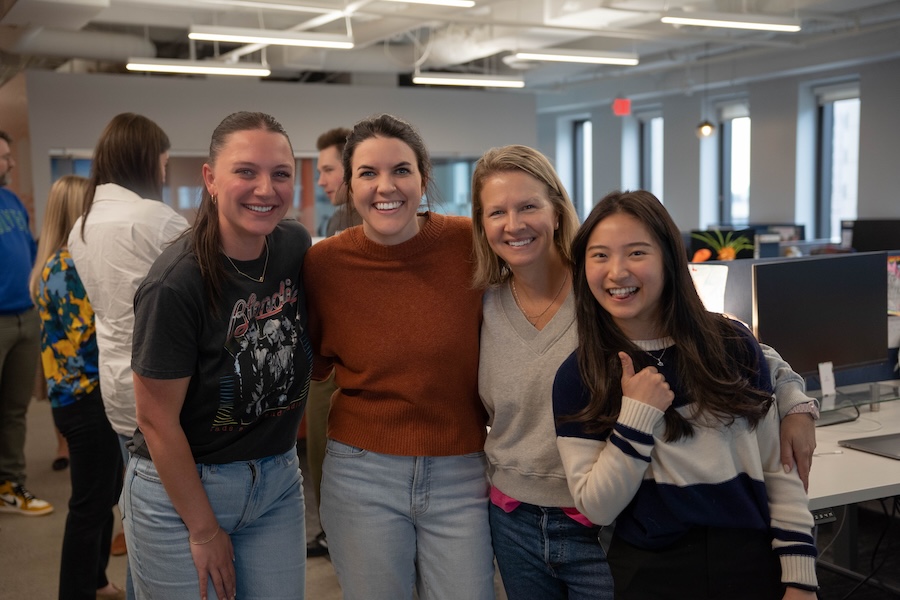
“If we have a really good employee experience, we’re going to have a really good service experience. And if we have a really good service experience, we’re going to grow because people want to work with people who really care about them.”
Fewer screens, more meeting spaces.
“I’ve heard people complain, ‘I go into the office and all I do is sit on a Zoom meeting. We try not to do that. We expanded our office a year and a half ago and instead of putting in closed door offices, we put it all into conference rooms. Those are pretty booked out all day long, especially Tuesday, Wednesday, Thursday. That’s where you hear the laughter.
“I think if your employees aren’t healthy and working in a business in a committed way, the business itself is going to really suffer. When you think about creating new products, delivering better service—you need your people to be able to do that. They have to help. And to do that, they need to feel a connection.”